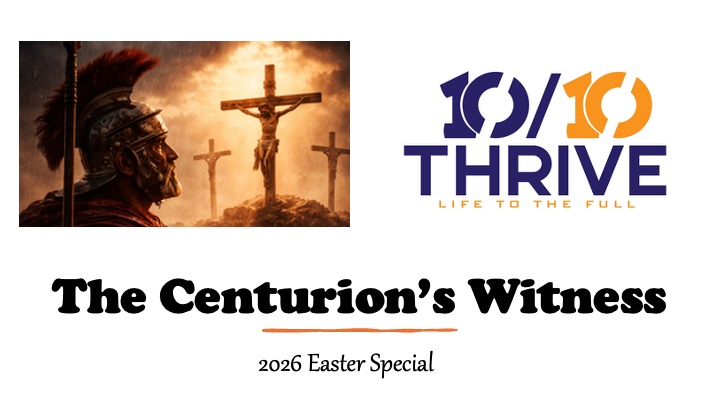
After his public testimony in Jerusalem, Longinus is forced to flee the city when Marcus warns him that temple guards have been dispatched to silence him permanently. Marcus, who reveals he was also profoundly shaken by the events at the cross, urges his friend to return to his homeland of Cappadocia for safety. Carrying only a traveler’s purse and his testimony, Longinus slips through the Damascus Gate and travels north, reflecting on the realization that Jesus’s death was not the behavior of a victim, but a strategic surrender by a King who chose to lay down his life for his enemies.
Upon arriving in Cappadocia, Longinus reunites with his old friend Cornelius, a Roman commander stationed in Caesarea Mazaca. Over several weeks, he shares the entire history of his transformation: from his first encounter with Jesus’s teachings in Capernaum and the healing of his servant Tobias, to the trials, the crucifixion, and the reality of the empty tomb. Cornelius, who admits to feeling a restless spiritual calling of his own, is deeply moved by the story of a God who calls even the Roman soldiers who executed Him, leading to a period of intense questioning and the eventual softening of his own heart.
Longinus eventually returns to his family’s quiet estate, where he spends his final days reflecting on his journey by the hearth of his childhood home. He views the spear that once marked his shame as the symbol of his transformation, recognizing that the blood he shed offered forgiveness rather than vengeance. Defiant in the face of death and the long memory of the Jerusalem authorities, Longinus concludes his witness with a final declaration that no wound is beyond healing and no tomb can hold what God has raised.
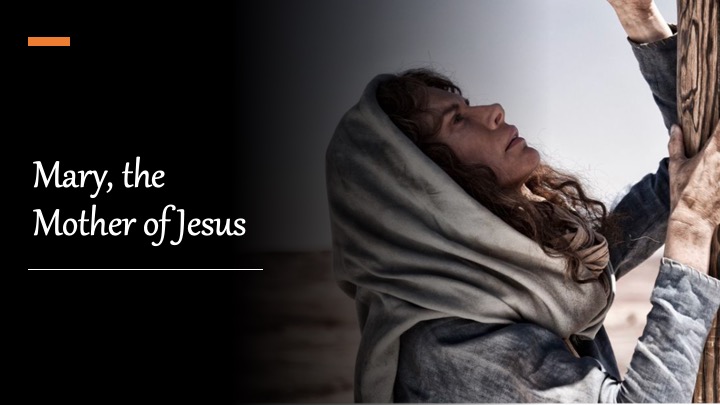
Mary was an unmarried virgin girl when God sent the angel Gabriel to give her a message (Luke 1:26–27). She was engaged to a...
Salome recalls the last time she saw John before his calling carried him beyond the life they had shared. Knowing instinctively that this would...
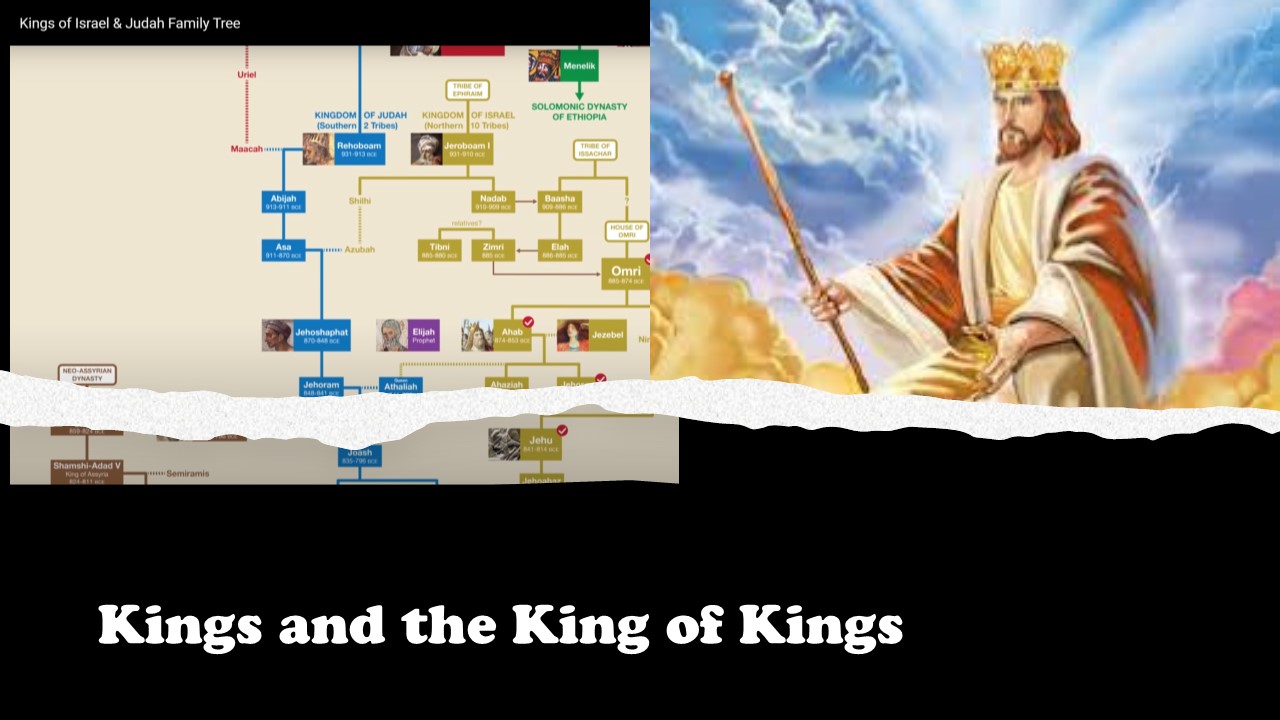
As we study the lives of the kings in 2 Kings, we are reminded of the flaws of human leadership and the need for...