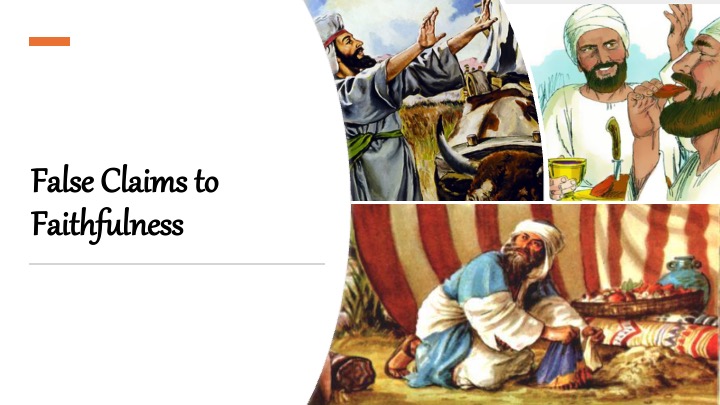
The third commandment is a safeguard against the dangerous tendency to confuse familiarity with faithfulness. Scripture illustrates this through figures like Achan and the sons of Eli, who resided within the covenant community yet treated God’s name and presence as a cover for personal greed. Achan invoked the identity of an Israelite while secretly violating God's specific commands, while Eli's sons used their priestly office to exploit the people. Their stories serve as a warning that religious proximity—speaking the name and managing the rituals—is not a substitute for genuine integrity. When we use God's name to justify our own desires or to mask unfaithfulness, the damage extends beyond ourselves, breaking the trust of the entire community and distorting God’s reputation.
The tragic account of Uzzah, who was struck down for reaching out to steady the Ark of the Covenant, reveals that God's holiness cannot be treated casually or domesticated. Uzzah’s intentions may have seemed helpful, but his "irreverent act" exposed a heart that had become so familiar with the sacred that it forgot God's radical "otherness." Similarly, the four hundred false prophets who promised King Ahab victory used God's name to validate human ambition rather than divine truth. These narratives teach that God will not be reduced to a tool for our convenience or a mascot for our battles; His holiness demands a reverence that acknowledges His presence as a privilege rather than a right.
Ultimately, the third commandment protects the integrity of our relationship with the Divine by insisting on reverence as the foundation for true intimacy. We often fall into the trap of presumption, assuming God automatically endorses our desires or that His presence is something we are entitled to manage. However, genuine flourishing occurs when we create space for God to be God—acknowledging Him as the transcendent Creator while approaching Him as a personal Father. By practicing a "faithful reverence" rather than a "casual familiarity," we ensure that our lives make God's name credible, allowing for a deep, integrated peace that only comes from living truthfully before a holy God.

Barabbas is mentioned in all four gospels of the New Testament: Matthew 27:15–26; Mark 15:6–15; Luke 23:18–24; and John 18:40. His life intersects that...

This episode of the 10:10 Thrive Podcast is a rebroadcast of an episode originally aired in the summer of 2025. It continues the “10:10...

This episode, first broadcast in the summer of 2025, explores the profound reality that Jesus called Judas “friend” even in the moment of betrayal,...