On the day of Pentecost, Longinus watches as three thousand people from all walks of life—merchants, pilgrims, and those who once demanded Jesus's death—are baptized in a single afternoon. Overcome by a gentler authority than Rome's, Longinus decides to set aside his cloak, belt, and military identity to walk into the water himself. He approaches Peter and confesses his role in the crucifixion, admitting that he was the one who held the spear and pierced Jesus's side. Peter offers him profound forgiveness, sharing that there is even grace for those who drove the nails and for himself, who denied Jesus three times.
Upon being baptized, Longinus experiences the removal of a heavy emotional burden he had carried through years of war and battle. In its place, he finds a deep, internal stillness and a sense of freedom he had never known as a soldier of the Empire. No longer a centurion, he begins to travel throughout Jerusalem—from the markets to the Temple gates—urgently sharing his firsthand account of the crucifixion and the empty tomb with anyone who will listen. He boldly proclaims that despite being the Roman who pierced Jesus's side, he has been shown mercy by the Son of God.
However, Longinus's public testimony quickly draws the dangerous attention of the same religious authorities who condemned Jesus. Caiaphas views a Roman soldier proclaiming the resurrection as a significant threat and orders that the matter be dealt with immediately. Longinus realizes that the machinery of power is now turning against him, forcing him to face the same choice between his own survival and the truth he has witnessed.

There are 800 proverbs in this book. And each of these sayings can be used for gaining wisdom and instruction; for understanding words of...
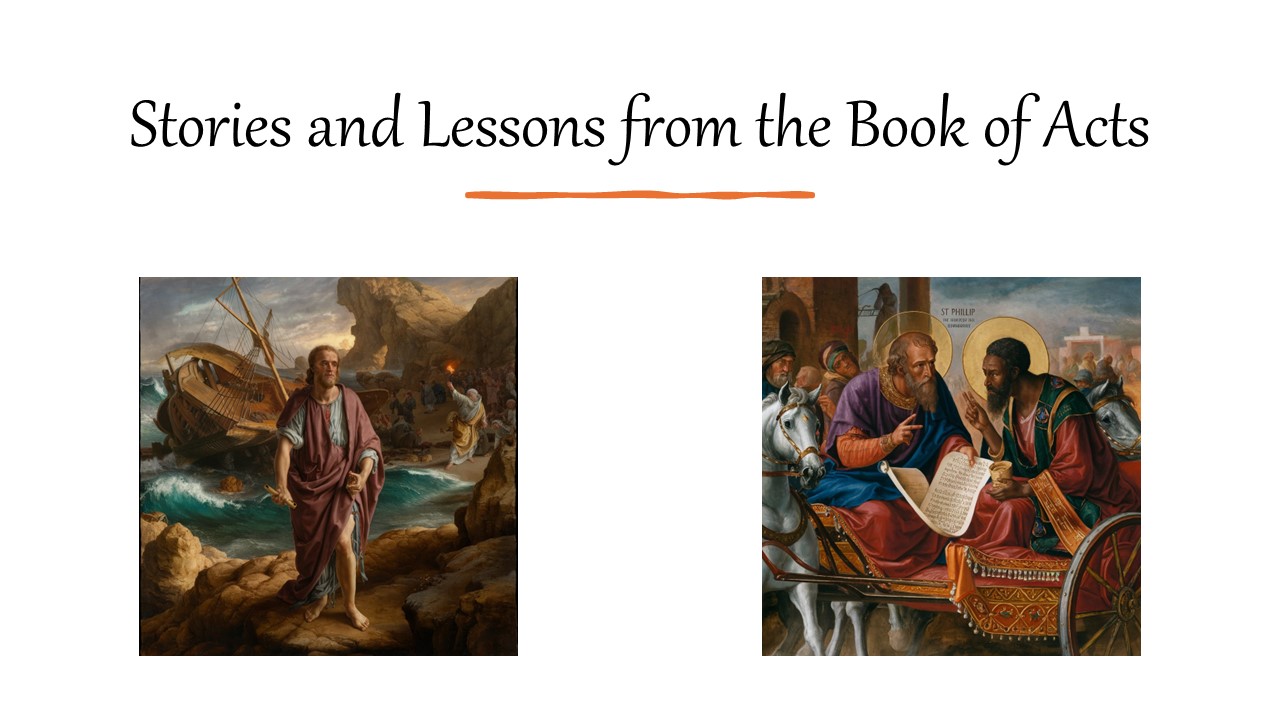
We wrap up our two week study of the Book of Acts by sharing several narratives that highlight the following themes: Divine Guidance and...

The Book of Job is a profound exploration of the question: Why do bad things happen to good people? In this narrative, Job, a...