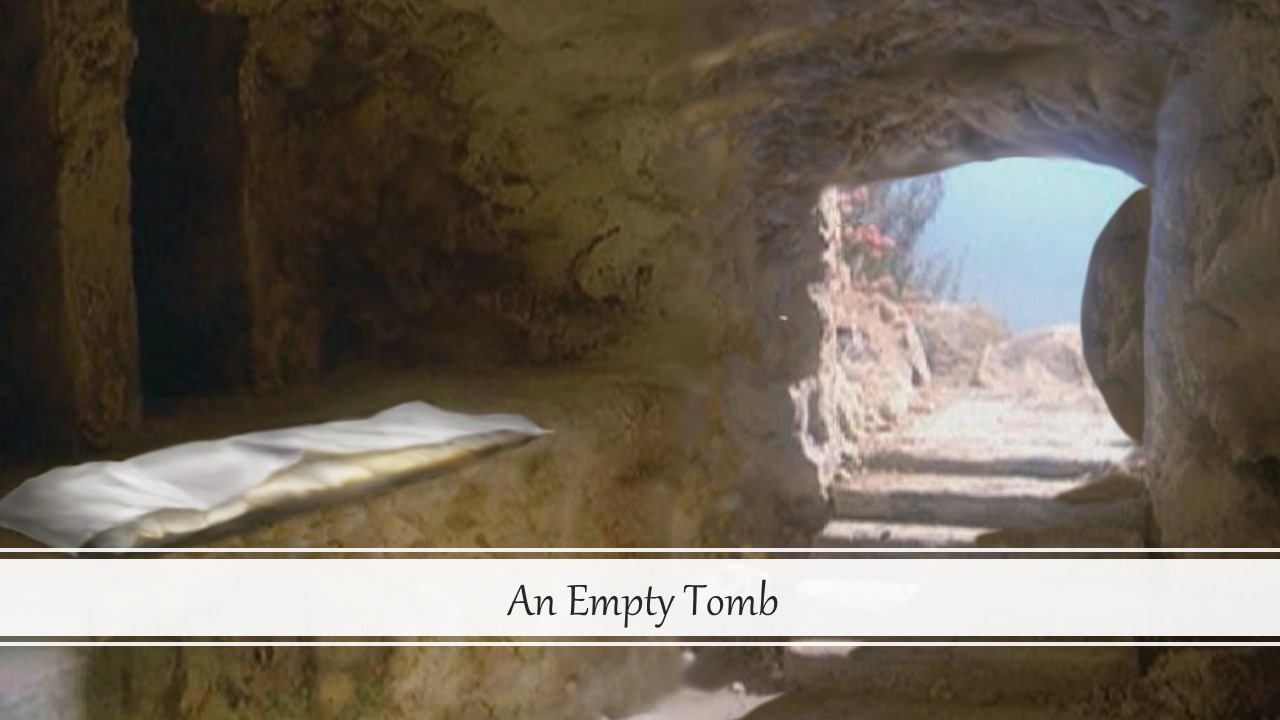
On a given day, hundreds, perhaps thousands of people from around the world visit the Church of the Holy Sepulchre in the Christian Quarter of the Old City of Jerusalem. However, while you will see a mosaic, candles, and stones, what you will not see inside the burial place of the Lord, inside the limestone cave in which Jesus was laid to rest after being taken down from the cross are bones. The tomb is empty.
Without an empty tomb, there is no Resurrection, there is no salvation from sin. But we do not have to take the empty tomb as a matter of faith. There is much evidence from Scripture and extra-Biblical sources that the grave no longer holds the body of Jesus Christ.
Scriptures referenced include Matthew 28:1–6; Mark 16:1–7; Luke 24:1–12; John 20:1–12; Matthew 28:13-15; Luke 24:34) and in groups (Matthew 28:9; John 20:26–30; John 21:1–14; Acts 1:3–6; 1 Corinthians 15:3–7; Matthew 12:38–40; and Matthew 16:1–4.
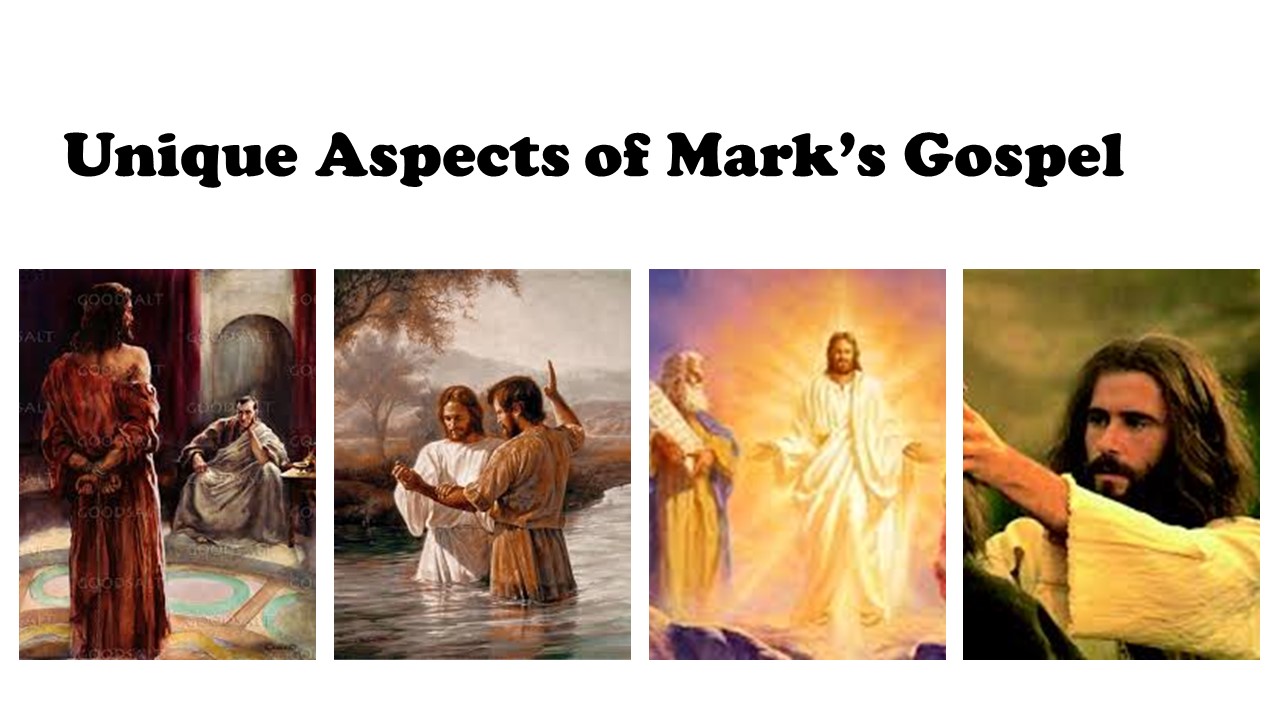
Mark's Gospel stands out from the other Gospels in several ways. It opens abruptly with Jesus' baptism and ends with a cliffhanger, omitting the...
Today we begin Part 3 of our series on "The Acts of the Apostles." Thomas introduces himself through the mystery of his name, which...
The notion that Christmas is the most wonderful time of the year is one that is widely embraced. Often when we think of this...