Psalm 5 invites listeners to begin the morning by bringing their concerns to God before the day’s demands take over. Its opening makes room for both clearly expressed requests and burdens that are difficult to explain. The reflection explores expectant waiting as an attentive posture that combines prayer with readiness to receive guidance and act faithfully.
The episode connects prayer with moral examination. God’s opposition to deceit, arrogance, and violence challenges listeners to consider their motives, their definition of success, and the trustworthiness of their speech. The request for a straight path becomes a practical prayer for wisdom in difficult conversations and decisions, grounded in God’s mercy.
An original song reinforces the themes of morning prayer, guidance, and faithful conduct. The reflection addresses judgment as an appeal for wrongdoing to stop while cautioning against retaliation and self-righteousness. Listeners are encouraged to name their concerns, seek guidance about their own actions, and leave room to listen before entering the day.
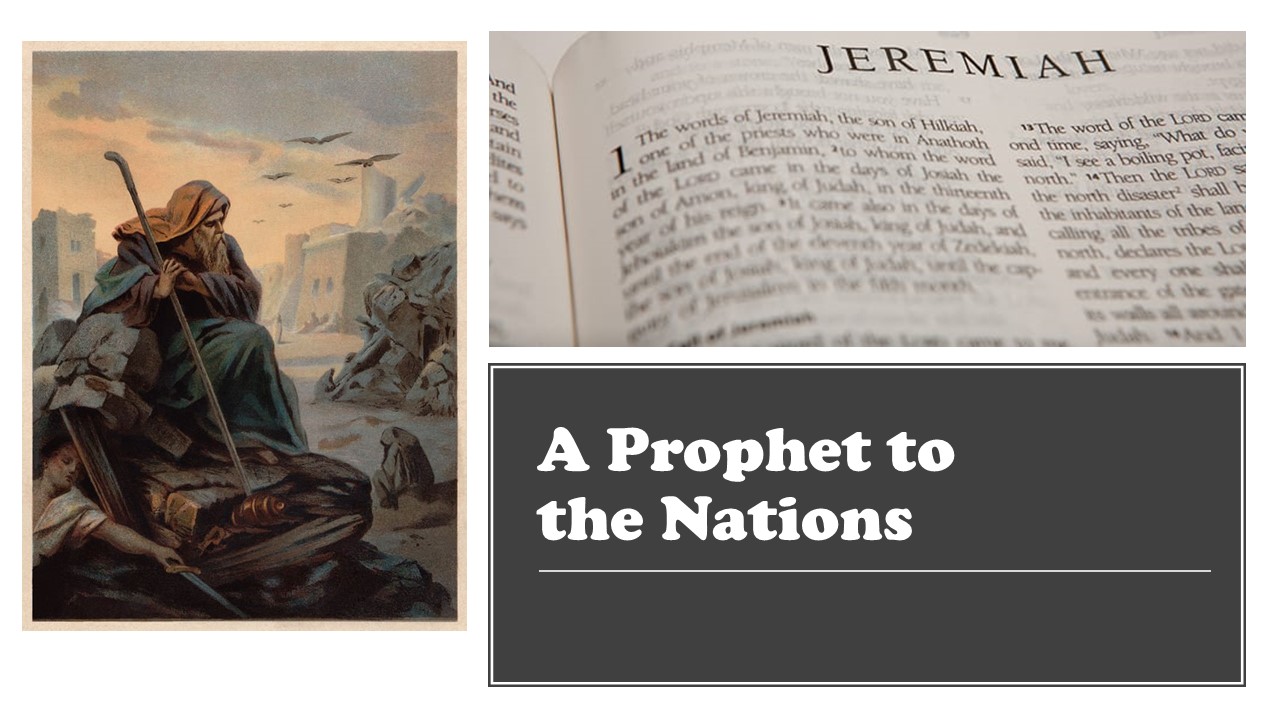
Although he is sent primarily to the covenant people of Israel, Jeremiah is also appointed to deliver the oracles of the Lord to the...

Barabbas is mentioned in all four gospels of the New Testament: Matthew 27:15–26; Mark 15:6–15; Luke 23:18–24; and John 18:40. His life intersects that...

As Jesus entered the holy city, He neared the culmination of a long journey toward Golgotha. He had come to save the lost (Luke...