Psalm 4 begins with an urgent appeal to God amid distress, dishonor, and falsehood. The episode connects these experiences with damaged reputations, circulating accusations, and the pressure to control how others perceive us. It encourages listeners both to name the harm caused by dishonesty and to examine their own willingness to repeat or accept unverified claims.
The central reflection considers the instruction to examine the heart, be still, and avoid sin. Anger can reveal injustice or danger, but it can also involve wounded pride and a desire to retaliate. Listeners are encouraged to distinguish facts from assumptions and choose truthful, responsible responses, including boundaries, accountability, apologies, and necessary protection.
The closing verses connect righteous action with trust, ask for the light of God’s presence, and describe joy deeper than material abundance. An original song expresses the desire for careful speech, healing, and peace. The episode ends with a practical evening exercise: review a troubling moment, consider any needed action, recognize a sign of goodness, and entrust the day to God.
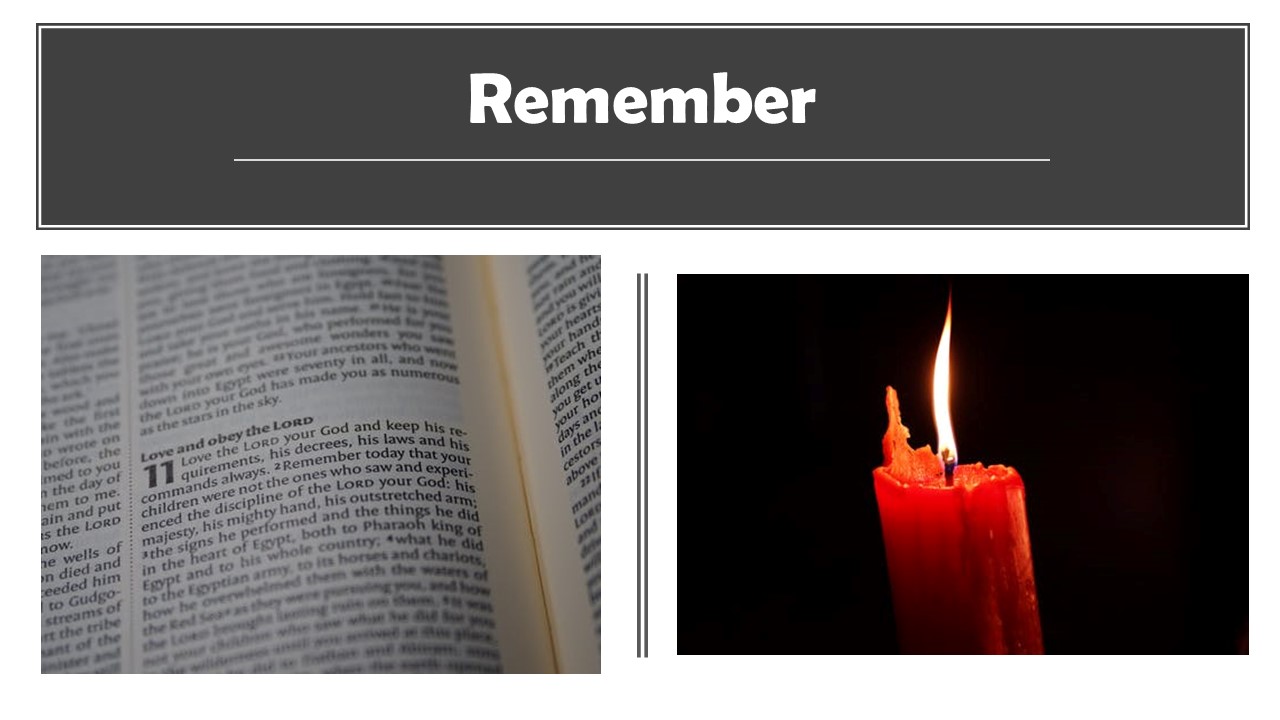
We begin our study of the book of Deuteronomy with a focus on the book’s main theme: the importance of memory. Scriptures referenced include:...

There are two New Testament books, both letters from the apostle Paul, written to Timothy, a man who is the son of a Greek...

The Ten Commandments reveal God's design for human flourishing. When God occupies the center of our lives, we learn to worship Him as He...