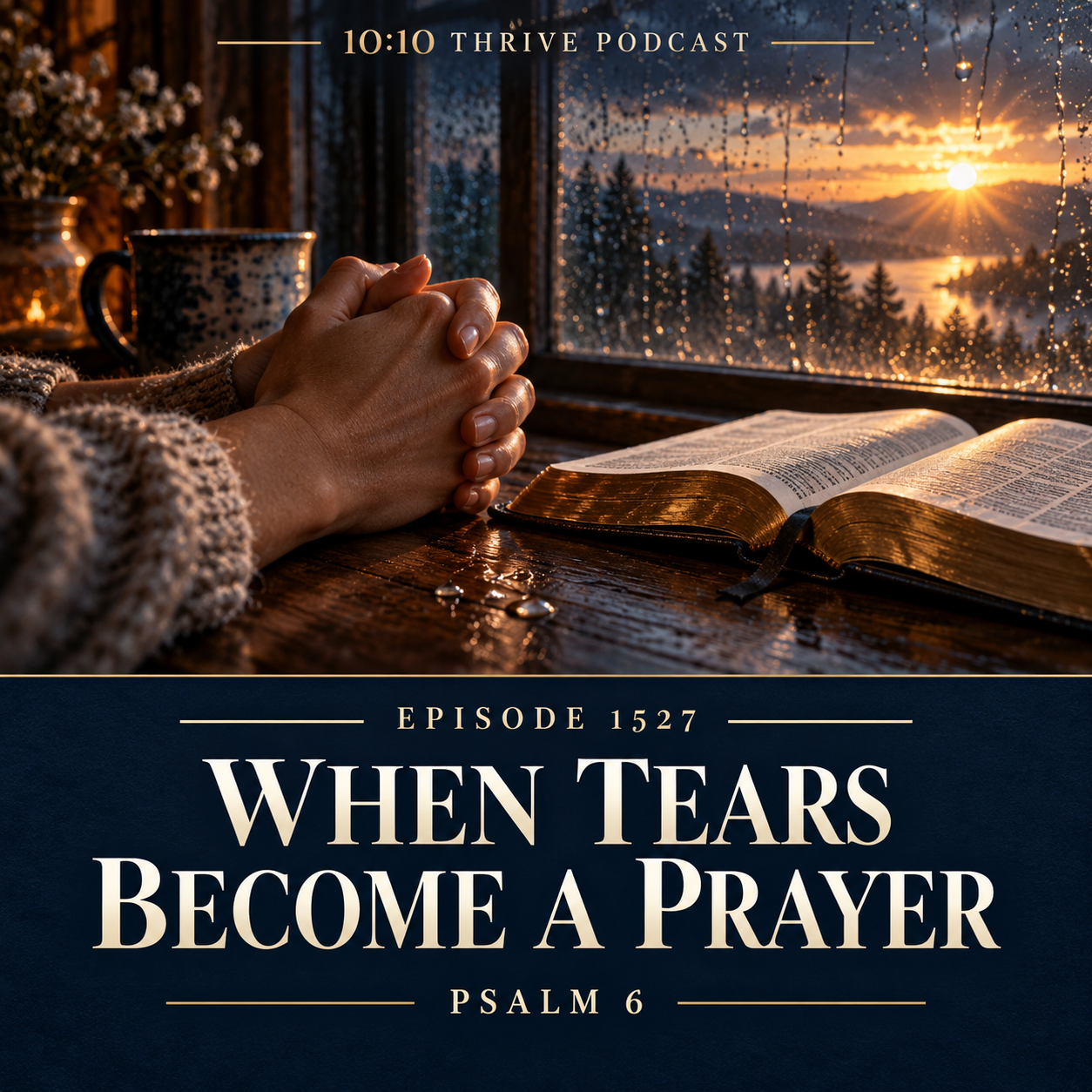
Psalm 6 gives voice to physical weakness, emotional anguish, and exhaustion from grief. The episode emphasizes that suffering belongs within prayer and communal worship. It also addresses the fear that hardship proves God’s anger, explaining that the psalm does not identify a particular wrongdoing as the cause of the speaker’s distress.
The repeated question “How long?” expresses the strain of prolonged suffering. David appeals to God’s unfailing love, while the reflection connects that appeal with the compassion of Jesus. The psalm’s tears and sleepless nights encourage honest prayer and compassionate companionship rather than hurried explanations or pressure to appear spiritually confident.
An original song offers language for weakness, waiting, and hope. The speaker’s eventual assurance that God has heard him is distinguished from a report that every difficulty has disappeared. Listeners are invited to express one truthful sentence to God, seek appropriate support, and offer practical, patient care to someone who is hurting.

Growing up in a devout Hebrew household in Nazareth, Mary learned the importance of faith from her father, a shepherd, who instilled in her...
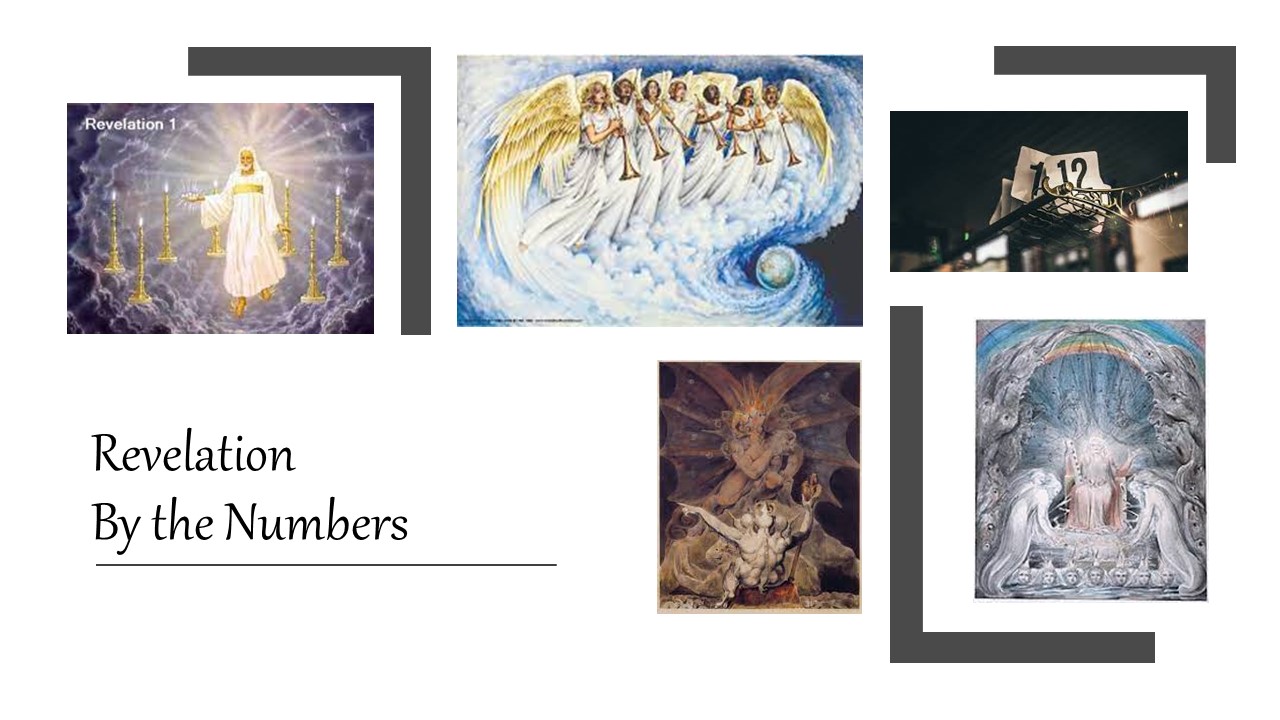
Many of the numbers in the Bible are more than just numbers, with prophetic or spiritual significance. Both in the Old and New Testaments,...

Ezekiel 26:36, “And I will give you a new heart, and a new spirit I will put within you. And I will remove the...