In Episode 28, Paul completed his defense by asking the court to consider what his ministry had accomplished rather than concentrating solely on the disturbances surrounding it. He described communities established throughout the empire in which Jews and Gentiles, slaves and free citizens, and people from different social backgrounds were united by faith in Jesus Christ. These communities possessed no armies or territories, yet they cared for the poor, assisted the sick, welcomed strangers, and encouraged compassion toward those with little power. Paul acknowledged that his followers were imperfect and that he had frequently needed to correct their behavior, but maintained that their faith called them toward honesty, generosity, reconciliation, and responsibility for one another.
Paul argued that these virtues benefited Roman society because they encouraged conduct that laws alone could not produce. The state could punish theft, enforce contracts, and demand obedience, but it could not necessarily inspire integrity, trust, or genuine concern for others. He reminded the court of people whose lives had been transformed through his ministry, including Lydia, the merchant from Philippi; the jailer who had tended his wounds; and Priscilla and Aquila, who had opened their home to others. When Varro challenged him about the possibility that Christians might refuse imperial commands, Paul responded that individuals should be judged for actual wrongdoing rather than condemned for convictions that might someday conflict with the state.
As his defense drew to a close, Paul reflected upon the beatings, imprisonment, shipwrecks, hunger, and dangers he had endured throughout his ministry. He did not present himself as unusually courageous or suggest that suffering had been easy. Instead, he spoke of the peace and purpose he had discovered through his faith, describing a hope that imprisonment could not extinguish and circumstances could not take away. He expressed his desire that everyone in the courtroom might experience that same hope, not the suffering through which he had encountered it. With Paul’s final words spoken, the magistrate declared the proceedings concluded and recessed the court to deliberate. After twenty-eight days of testimony and argument, the question of Paul’s fate remained unresolved.
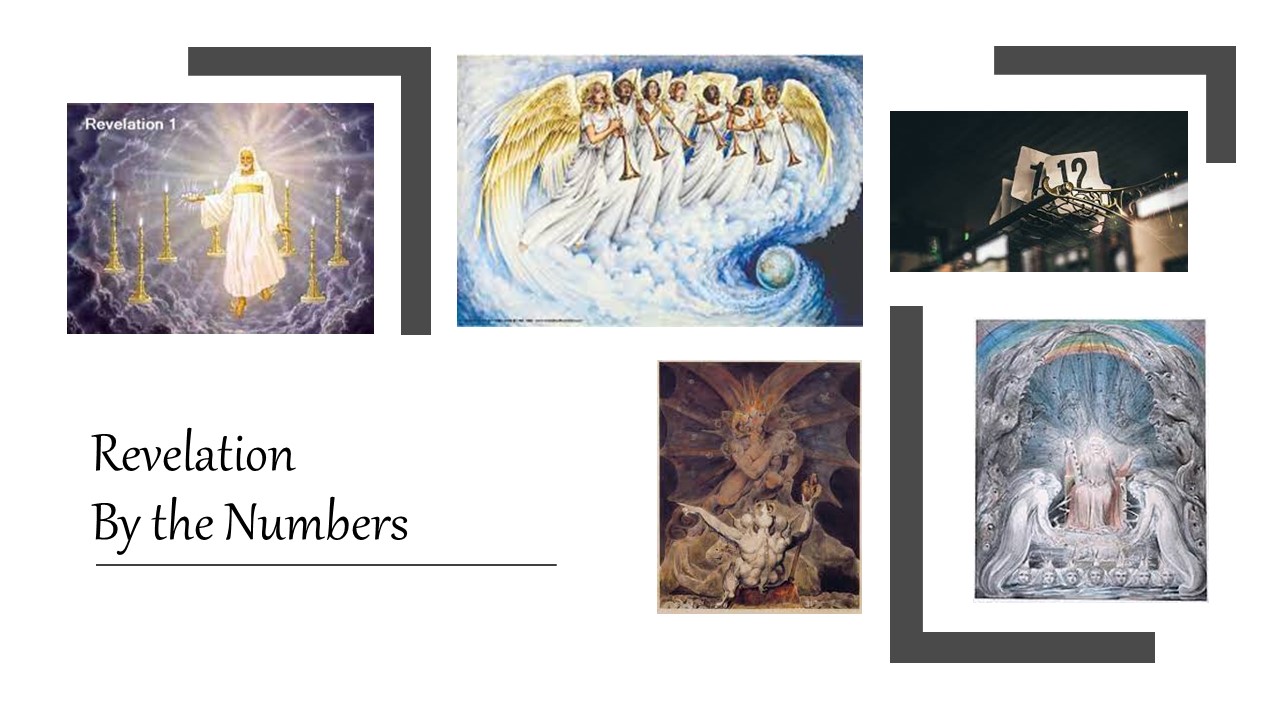
Many of the numbers in the Bible are more than just numbers, with prophetic or spiritual significance. Both in the Old and New Testaments,...
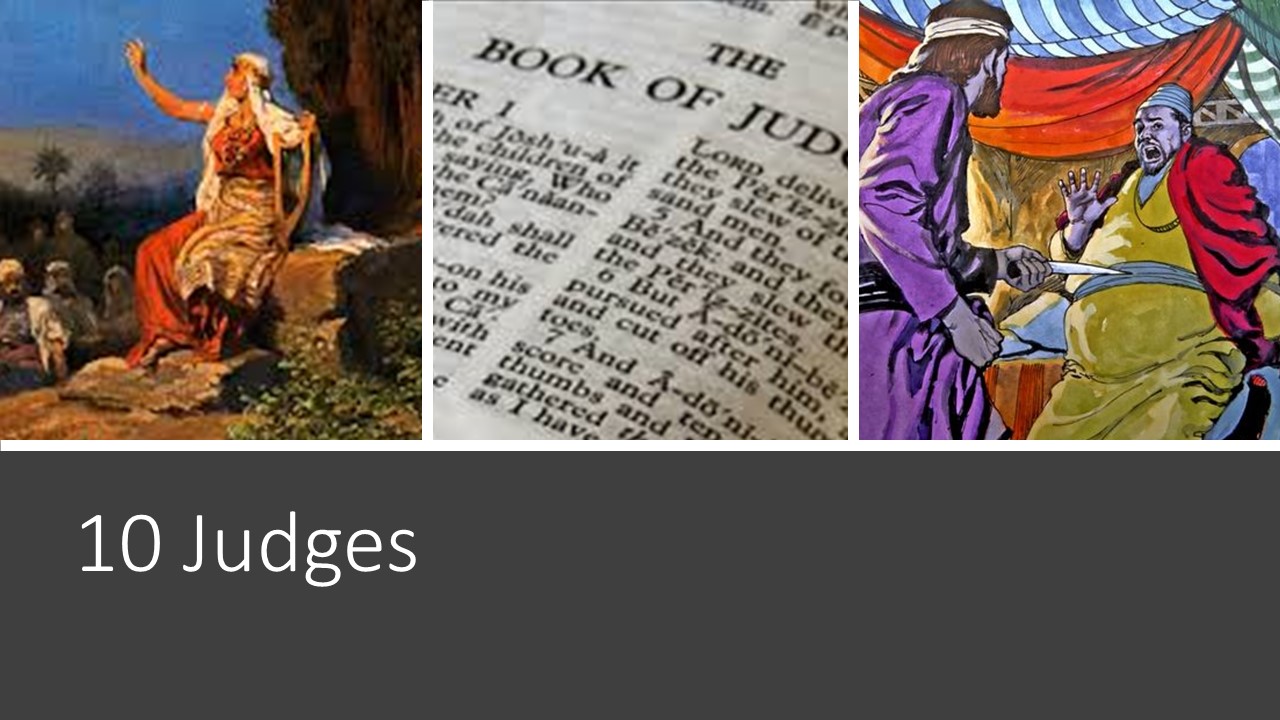
In the days after Joshua, the people vacillated between serving the Lord and rebelling. When they rebelled and sought the Lord’s help, He raised...

What are some verses in Nehemiah on which we ought to meditate? Scriptures referenced include 2 Corinthians 7:10; Romans 8:1; Matthew 25:21 and more...