Episode 7 brought Ananias of Damascus before the tribunal, giving the court its first witness to the immediate aftermath of Paul’s encounter on the Damascus road. Ananias acknowledged that he had not seen what happened on the road itself. What he could testify to was what he found afterward: Saul, the feared persecutor of Christians, had arrived in Damascus blind and fasting. Despite knowing why Saul had come to the city, Ananias went to him after receiving a vision instructing him to do so, addressed him as “Brother Saul,” laid hands on him, and witnessed the restoration of his sight.
Varro carefully separated what Ananias had actually witnessed from what he believed. He challenged the vision that had led Ananias to Saul and raised the possibility that Saul’s recovery from blindness had been natural rather than miraculous. Ananias did not claim to be able to prove otherwise. Instead, he stood by the facts he knew: Saul had arrived blind, Ananias had gone to him despite having reason to fear him, Saul regained his sight, and the man who had come to Damascus to arrest followers of Jesus was baptized into their community.
By the end of the testimony, the court still had no independent witness to Paul’s encounter with Jesus on the road. But Ananias had given the tribunal something more tangible to consider. Whatever had happened outside Damascus, its immediate consequences were difficult to dismiss. The persecutor had entered the city helpless and blind, and within days had joined the very people he had intended to destroy.

The debate about whether or not Christians should celebrate Christmas has been raging for centuries. There are equally sincere and committed Christians on both...
Philippians 2:6-8, “Who, though he was in the form of God, did not count equality with God a thing to be grasped, but made...
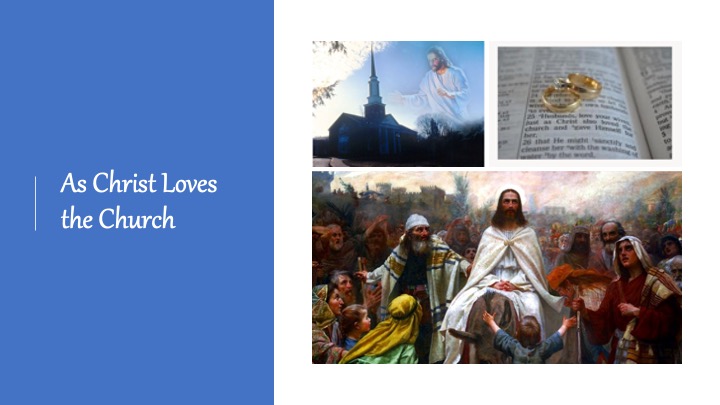
The picture of marriage is an important image that God has given us, calling us to a higher understanding of who he is and...