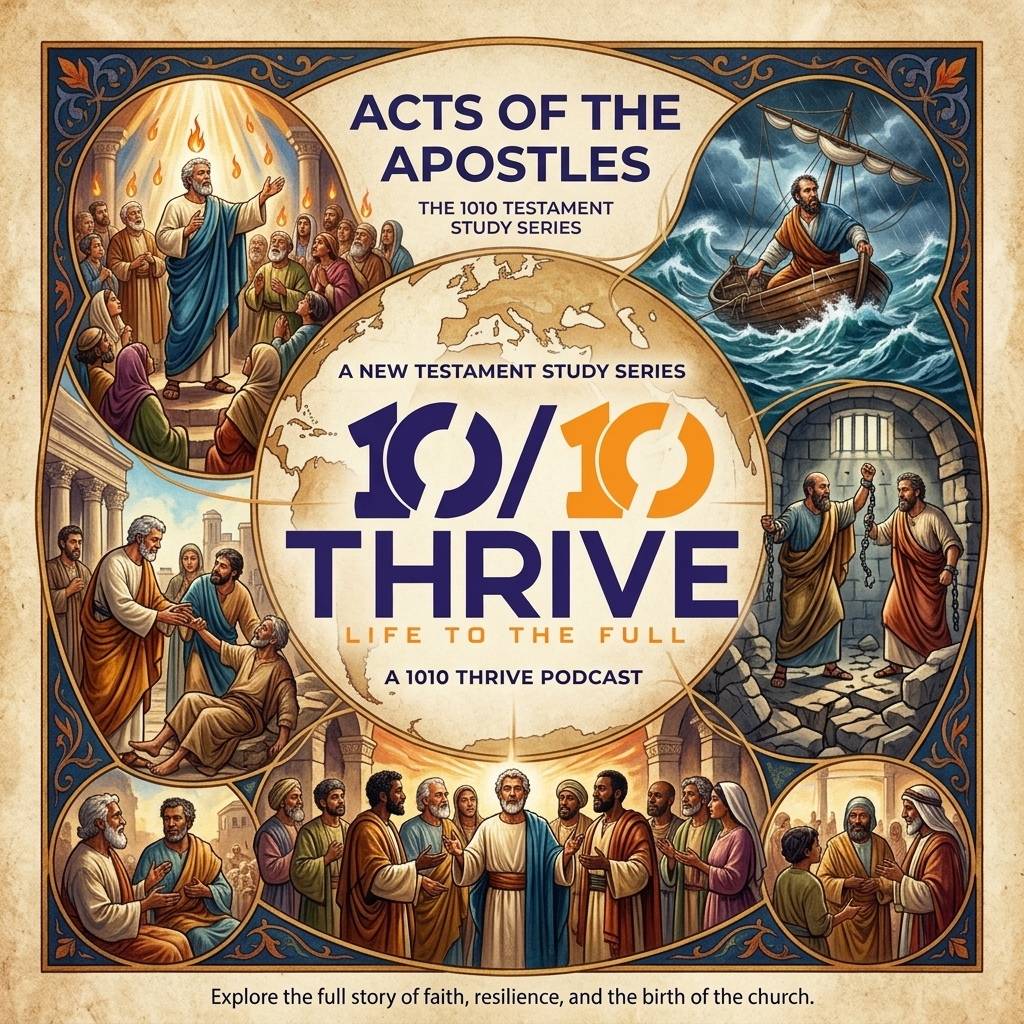
Paul himself takes the stand to give the account toward which the entire first week has been moving. He explains that he was traveling to Damascus with authority to arrest followers of Jesus and return them to Jerusalem. He was not searching for a new faith and was not questioning his mission. Near Damascus, however, a brilliant light overwhelmed him, he fell to the ground, and he heard a voice ask, “Saul, Saul, why are you persecuting me?” When Saul asked who was speaking, the answer came: “I am Jesus, whom you are persecuting.” Saul rose unable to see and was led into Damascus, where he remained blind and without food or drink for three days.
Varro subjects the account to the most demanding cross-examination of the trial so far. Paul’s companions experienced the extraordinary event but did not hear the words Paul claims Jesus spoke to him. Varro also exposes differences among Paul’s accounts of Damascus and carefully distinguishes what Paul says happened from Paul’s later interpretation of it. Most importantly, he reminds Paul of his own earlier concession: sincerity does not establish truth. Saul had once been absolutely certain that persecuting Christians served God. His certainty that Jesus now appeared to him therefore proves nothing by itself.
Paul repeatedly concedes the limits of his evidence rather than attempting to evade them. His suffering does not prove Christianity true, his certainty does not prove the vision genuine, and his transformation alone does not prove that Jesus rose from the dead. He insists instead that Damascus must be examined as a sequence of events rather than as an isolated private experience. Something happened on the road, something happened during the three days that followed, and other people became involved. Varro ends the day having shown that the identification of the voice as Jesus still rests principally upon Paul’s testimony. Paul responds by pointing the court toward the next witness: Ananias, the man who came looking for Saul in Damascus without having been summoned.
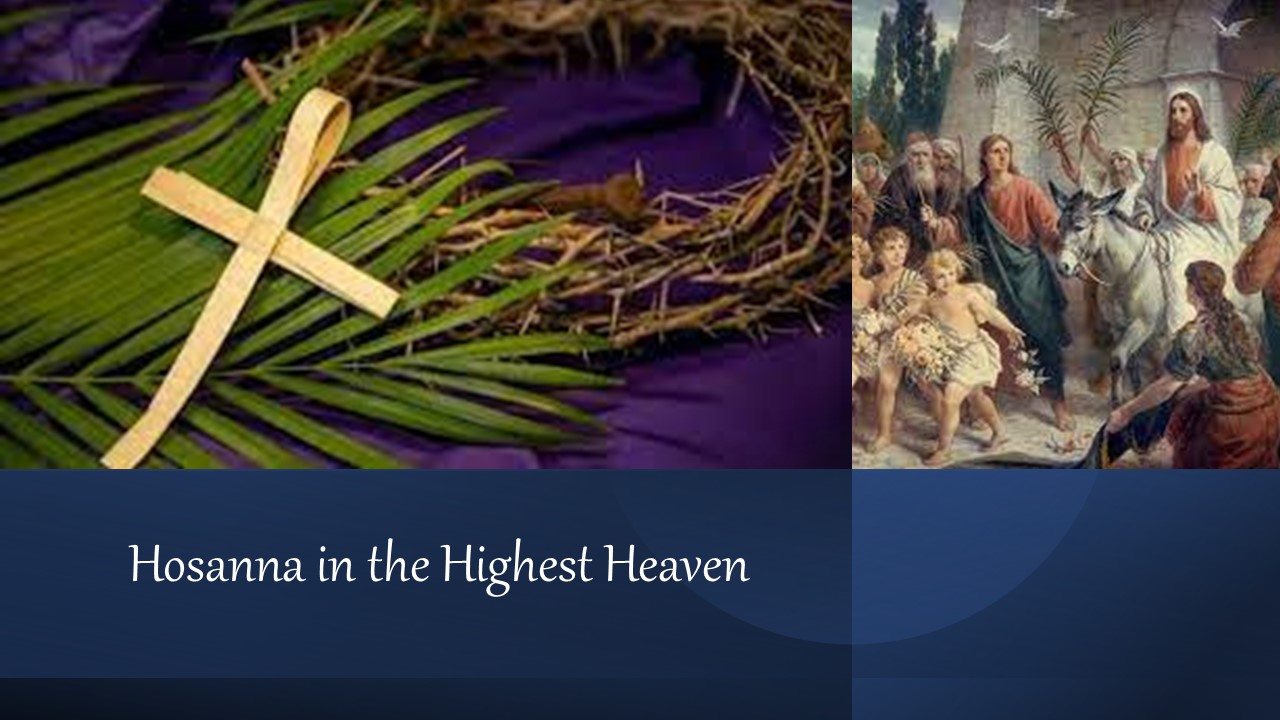
As Jesus entered the holy city, He neared the culmination of a long journey toward Golgotha. He had come to save the lost (Luke...
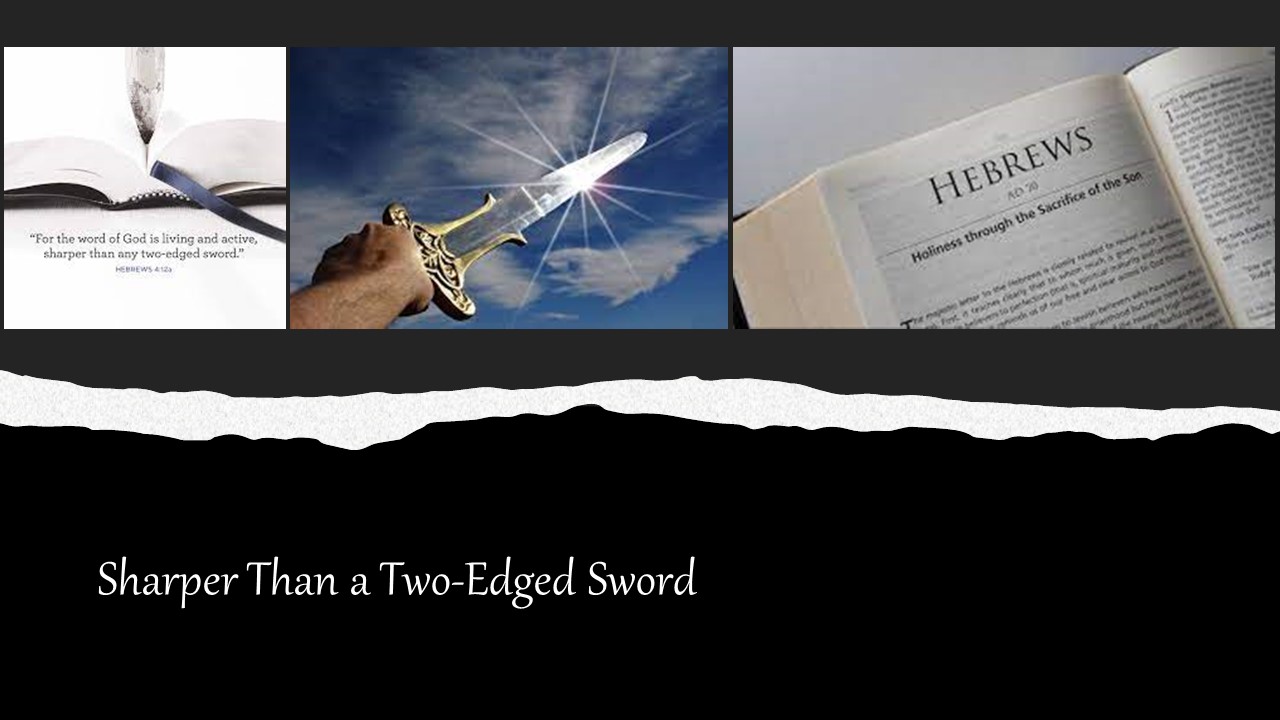
What are some verses in the Book of Hebrews on which we ought to meditate? Scriptures referenced include more than 26 passages from the...
The evangelist, Dwight L. Moody once declared that “the Bible will keep you from sin, or sin will keep you from the Bible.” A...