In our modern era, the Sabbath is a radical act of resistance. While ancient Israel faced a physical Pharaoh, today we face a systemic “Pharaoh” that reduces human worth to economic output and digital availability. This modern system utilizes constant connectivity and the “hustle” culture to internalize a sense of psychological bondage, where the whip has been replaced by the notification chime. By observing the Sabbath, we stage a weekly uprising against this narrative, declaring that our time and value belong to God rather than the market, the employer, or the algorithm.
Practically, this resistance manifests through three primary movements: ceasing, delighting, and worshiping. Ceasing is the difficult work of stopping—not because the to-do list is finished, but because we trust God to sustain the world without our effort. Delighting shifts our focus from “doing” to “being,” transforming time into a sanctuary for joy, nature, and community. Finally, worshiping re-anchors our identity as beloved children rather than exhausted producers. This rhythm functions as a weekly "rehearsal for eternity," allowing us to taste the ultimate reality where labor is no longer toilsome and our primary vocation is to rest in God's presence.
This weekly re-anchoring is the only antidote to the “drift” of internalizing worldly definitions of success. When we step out of the system for twenty-four hours, we recover our humanity and our health, but more importantly, we reclaim our spiritual independence. The Sabbath becomes a profound witness to a civilization of the “weary and burdened” that there is another way to live. By honoring this rhythm, we align ourselves with the fundamental design of creation, ensuring that our private devotion and public actions flow from a place of deep, unshakeable peace rather than anxious striving.
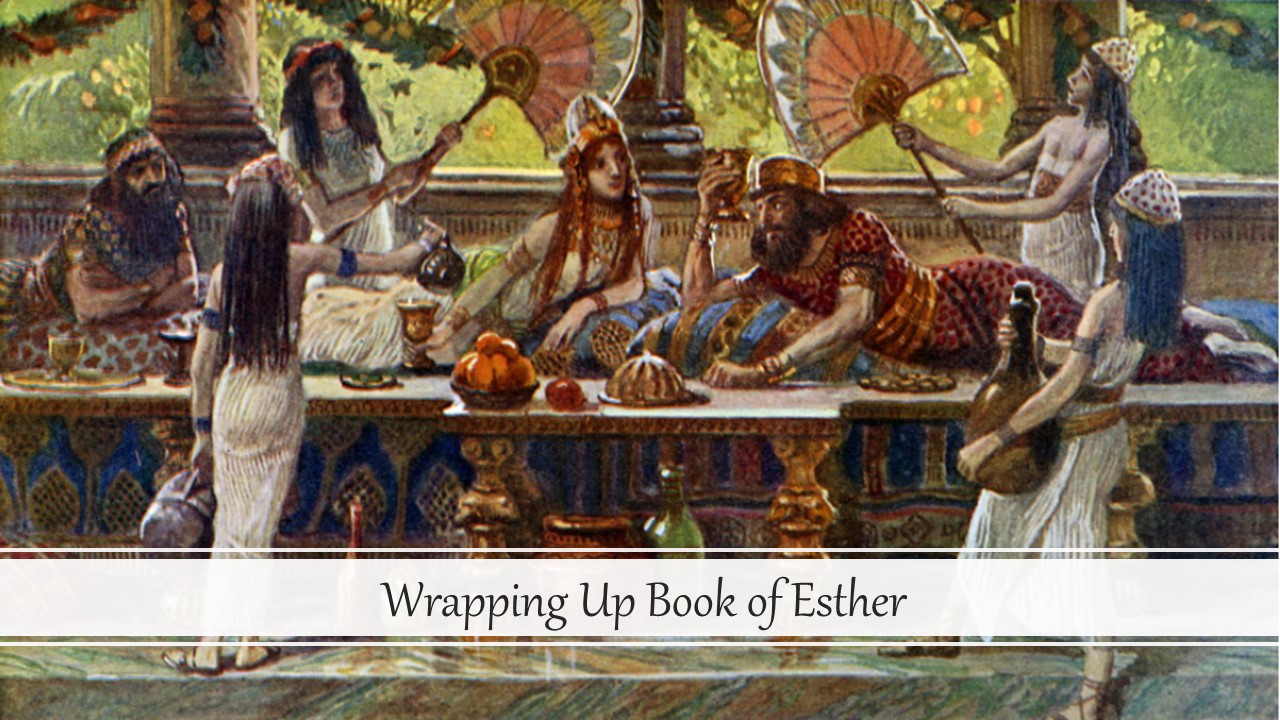
We wrap up our study of the Book of Esther by reviewing some quick facts, sharing ten notes, and exploring some life application questions....
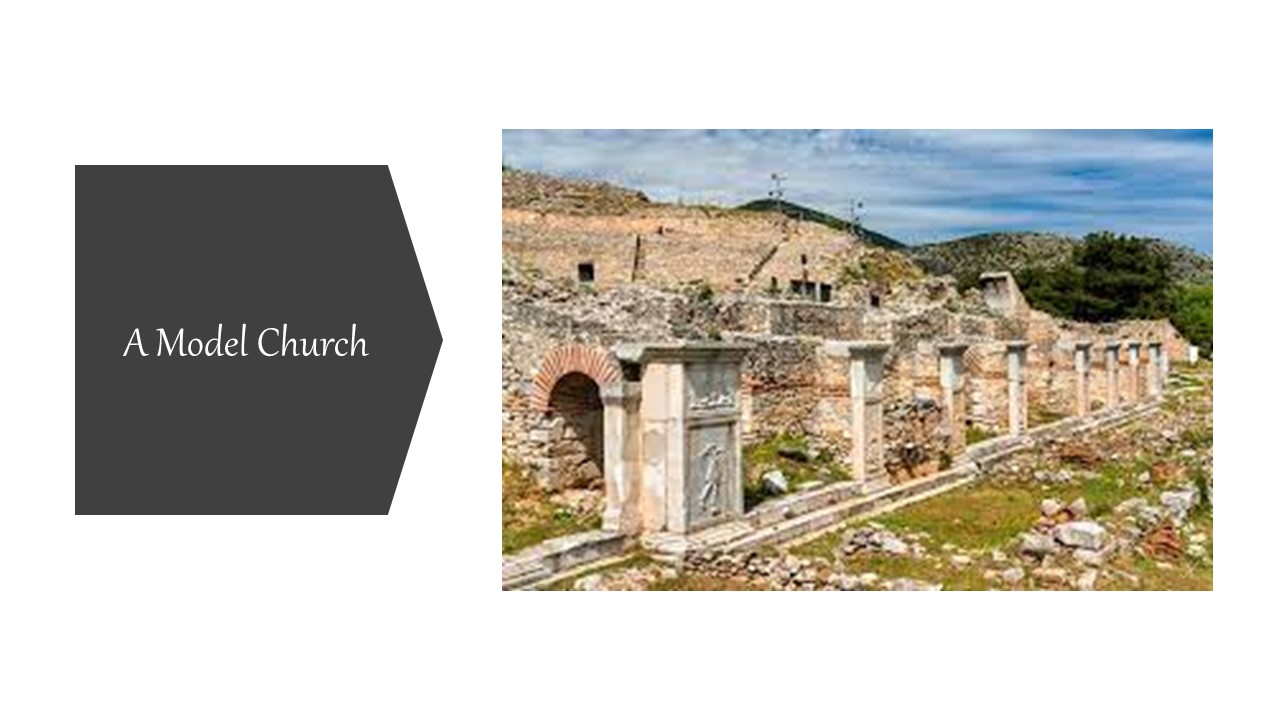
In around AD 50 or 51, the apostle Paul established the first Christian church in Europe. This church was located in Philippi, strategically located...
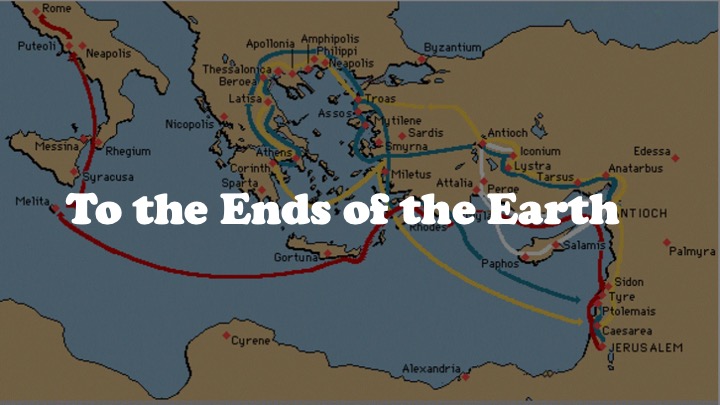
In Jesus’ farewell message to his disciples before the Ascension, He says this in Acts 1:8, “But you will receive power when the Holy...