The apostle Paul’s instructions in Ephesians 6 provide a revolutionary reinterpretation of the Fifth Commandment, shifting the focus from absolute patriarchal control to a vision of reciprocal honor. In the Roman world, where children were legally viewed as property, Paul’s command for fathers to "not exasperate" their children was a social upheaval that recognized the inherent dignity of the child. By framing parental authority as a stewardship under Christ rather than an ultimate sovereignty, Paul protects children from tyranny and reminds parents that their role is not to dominate, but to patiently cultivate character through "training and instruction."
For children, Paul clarifies that "obedience in the Lord" is a vital season of moral formation rather than blind compliance. This structured submission serves as a "moral gymnasium" where young people develop the essential building blocks of maturity: trust in benevolent authority, the capacity for restraint, and the humility to recognize they are not the center of the universe. This obedience is not a sign of weakness but a preparation for wisdom, anchored in the promise that such intergenerational stability leads to communal flourishing and a "long life" marked by social cohesion.
Ultimately, Paul’s vision for the family is defined by the symmetry of authority and tenderness. When authority exists without warmth, it breeds the resentment that "exasperates" a child's spirit; conversely, tenderness without structure leads to confusion and a lack of resilience. By mirroring the relationship between the Father and the Son, families become a living witness to divine design. Whether as parents practicing gentle stewardship or as adult children practicing honor without contempt, this dual flow of respect creates a resilient community where the "moral muscle memory" of the home translates into a more just and peaceful society.

In today’s episode, we explore the difficult truth of why modern Christian values often stand in opposition to what Jesus actually taught, concluding our...
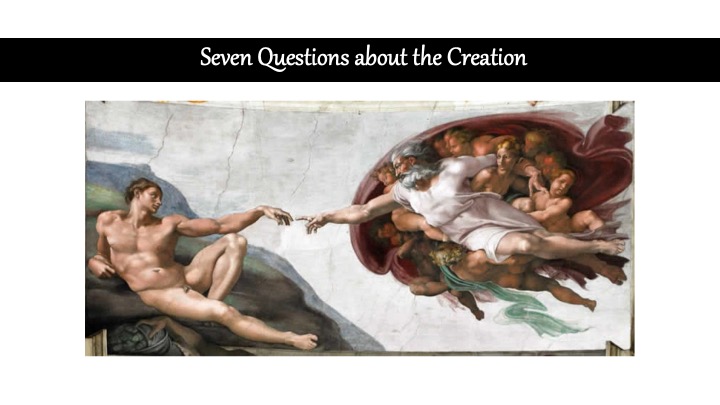
Today’s exploration of creation addressed questions about God's role as Creator, the nature of the creation accounts in Genesis, the existence of the Trinity...
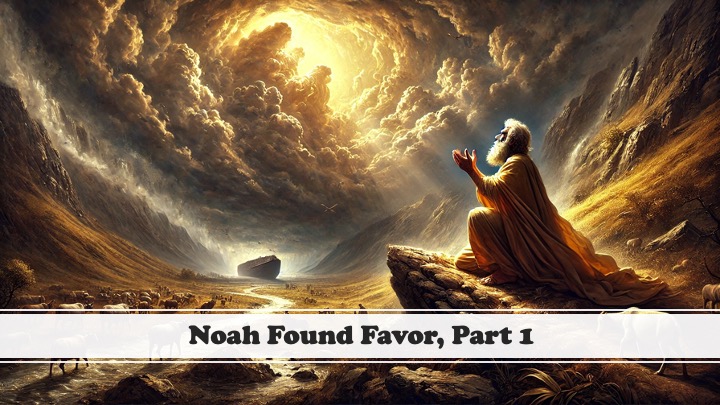
Episode 1099 of the 10:10 Thrive Podcast presents a dramatic and poetic depiction of the moral corruption of humanity before the Flood, setting the...