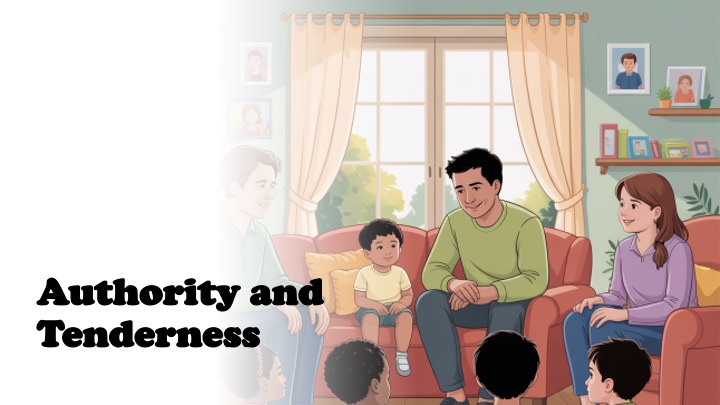
In Ephesians 6, the apostle Paul presents a revolutionary vision of family life where honor is not a one-way street of absolute control, but a reciprocal flow of authority and tenderness. Drawing on the Fifth Commandment, Paul reframes parental authority as a stewardship under Christ rather than a sovereign right. By commanding fathers not to "exasperate" their children, he limits their power and insists on the inherent dignity of the child. This transformation of authority—moving from the ancient Roman model of "property" to a biblical model of "stewardship"—ensures that the home is a place of cultivation rather than crushing.
For children, obedience is presented as a vital stage of formation rather than control. By learning to "obey in the Lord," children develop the "moral muscle memory" necessary for maturity: trust in benevolent authority, patience with limits, and the capacity to delay gratification. This structured environment fosters humility and teachability, which are the building blocks of wisdom. Paul emphasizes that this obedience is framed by a larger allegiance to Christ, protecting the child from tyranny while providing a secure foundation upon which they can build a resilient life.
Ultimately, this intergenerational health is the bedrock of communal stability. Paul links this domestic harmony to the ancient promise that "it may go well with you," suggesting that when parents nurture without embittering and children honor without resentment, the result is social cohesion and peace. This vision extends beyond the nuclear family into the church, creating an intergenerational household where older and younger believers live in a rhythm of mutual respect. By modeling authority after the character of Christ, the family becomes a primary site for human flourishing and a witness to a world often suspicious of power.
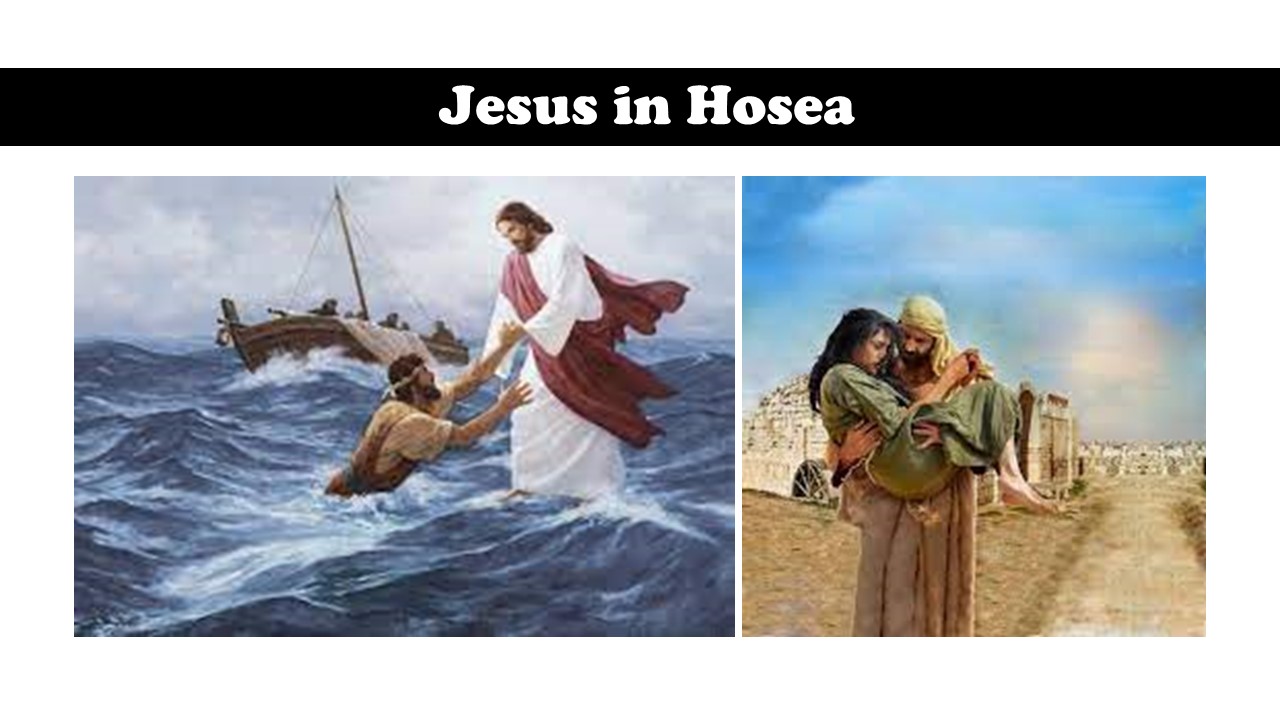
Today we wrap up our brief study of the book of Hosea. This book, with its themes of unfaithful love, judgment, and the promise...
We begin our study of the book of Numbers and begin to explore how the people reacted to God’s calling on their lives. Scriptures...
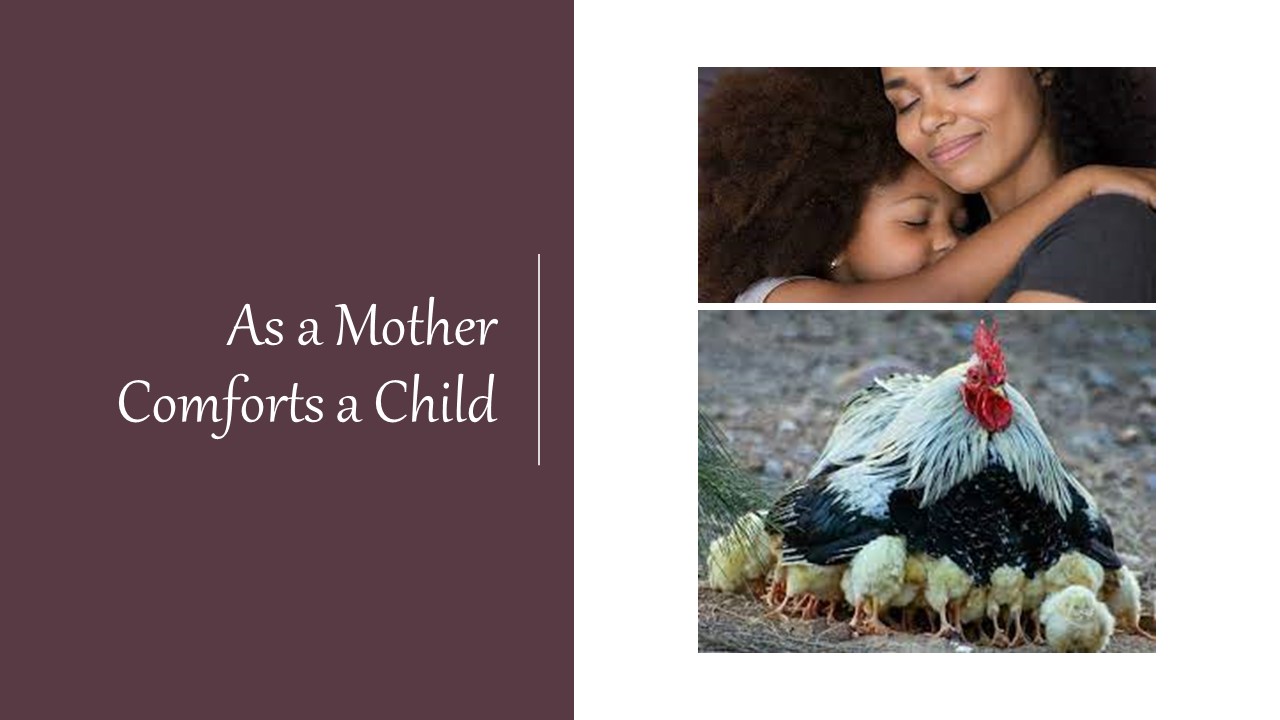
In both the Old and New Testament, we see feminine imagery used to describe the love, care, and intervention of God in our lives....