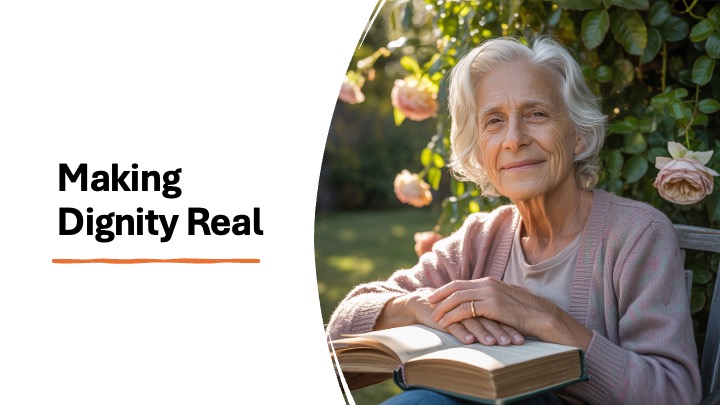
Practicing honor in the modern world is an active, embodied discipline rather than a sentiment of nostalgia. It begins with the cultivation of gratitude, which shifts our internal posture from judgment to recognition. This doesn't require denying past pain or pretending parents were perfect; rather, it is a sober acknowledgment that they gave us life and sacrificed resources to sustain us during our years of total dependency. By naming specific gifts—whether hard work, a sense of humor, or basic provision—we move toward a stance of grace that sees parents as real, flawed human beings rather than impossible standards of perfection.
Where the relationship is strained, honor may involve the difficult work of reconciliation or the necessary work of setting boundaries. Reconciliation is a pursuit of connection through honest conversation and a desire to understand the inherited pressures and traumas that shaped our parents’ choices. However, when a parent is abusive or exploitative, honor is best practiced through boundaries that protect the child’s dignity while refusing to dehumanize the parent. Setting these limits—such as restricting certain topics or physical access—is not an act of disrespect; it is a way to maintain relational integrity without enabling further harm.
Ultimately, the goal of the Fifth Commandment is to build cultures of honor within our homes, churches, and institutions. In these communities, elders are integrated rather than isolated, their wisdom is sought as a vital resource, and intergenerational stories are preserved to provide the next generation with a sense of lineage. This practice is not about returning to an idealized past, but about creating a future where dignity flows in both directions. By choosing to practice gratitude, pursue healing, and respect experience, we create the social stability and moral muscle memory required for the entire community to flourish.
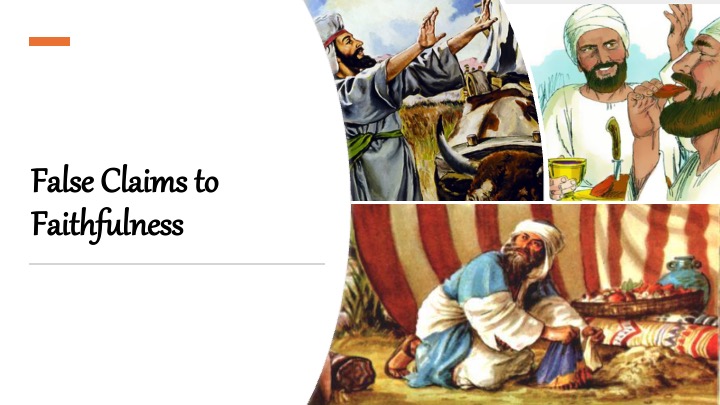
The third commandment is a safeguard against the dangerous tendency to confuse familiarity with faithfulness. Scripture illustrates this through figures like Achan and the...
The book of Revelation is filled with vivid images that offer hope and comfort to believers. From the New Jerusalem and the River of...
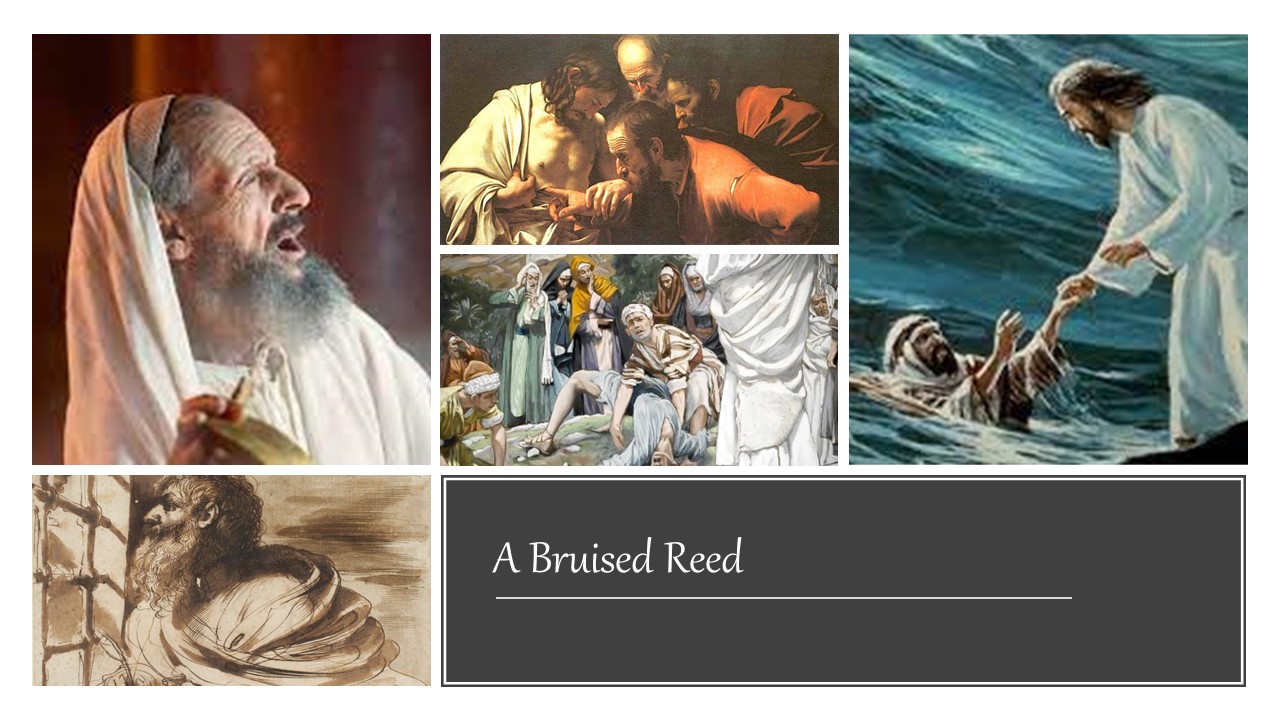
Matthew 12:20, “A bruised reed he will not break, and a smoldering wick he will not snuff out.” When Matthew wrote these words, he...