Notes
The first four commandments establish our relationship with God, grounding our identity in His exclusive devotion, proper worship, and sacred rest. This vertical foundation is essential because our posture toward God forms the "moral muscle memory" needed for human relationships; once we stop turning people into saviors or rivals, we can treat them with justice rather than fear. The fifth commandment, "Honor your father and your mother," serves as the vital hinge between our love for God and our love for neighbor. It transitions from vertical worship to horizontal ethics, suggesting that if we cannot learn reverence within the home, we will struggle to practice justice in society.
In Hebrew, to "honor" means to give "weight" or significance to someone, an idea that directly challenges our modern culture of self-invention and detachment. By commanding honor for parents, the Decalogue interrupts the narrative of total autonomy, reminding us that we are received and shaped before we are self-defined. This isn't a demand for blind obedience—which is for children—but a call for adults to maintain a posture of dignity that refuses to treat others as disposable. Even when boundaries are necessary due to human flaws or trauma, honor protects the individual from the corrosive power of contempt, ensuring that wounds do not calcify into a disdain that fractures the soul.
As the first commandment with a promise—"that your days may be long in the land"—this guideline emphasizes that communal flourishing depends on generational continuity. A society that dismisses its elders or ignores its roots becomes fragmented and fragile; conversely, honor creates the stability and rootedness required to withstand cultural storms. By treating our origins with weight and gratitude, we build a framework of respect that precedes the prohibition of violence. Honor cultivates the humility and gratitude necessary to see others not as obstacles to our independence, but as formative participants in a story much larger than ourselves.
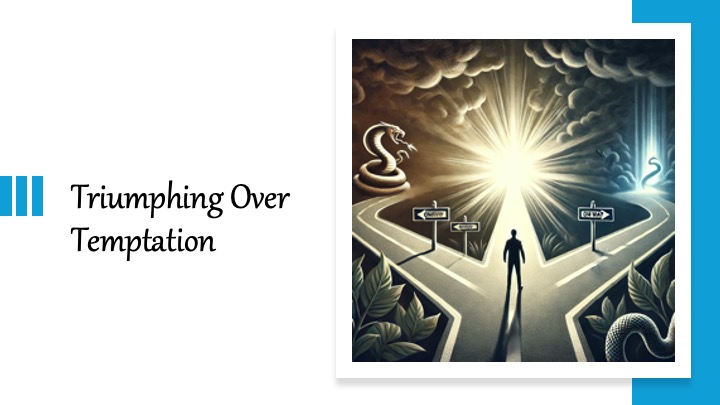
James’ epistle begins by reminding believers that temptation is a universal experience, one that all people face. However, James makes a clear distinction: God...
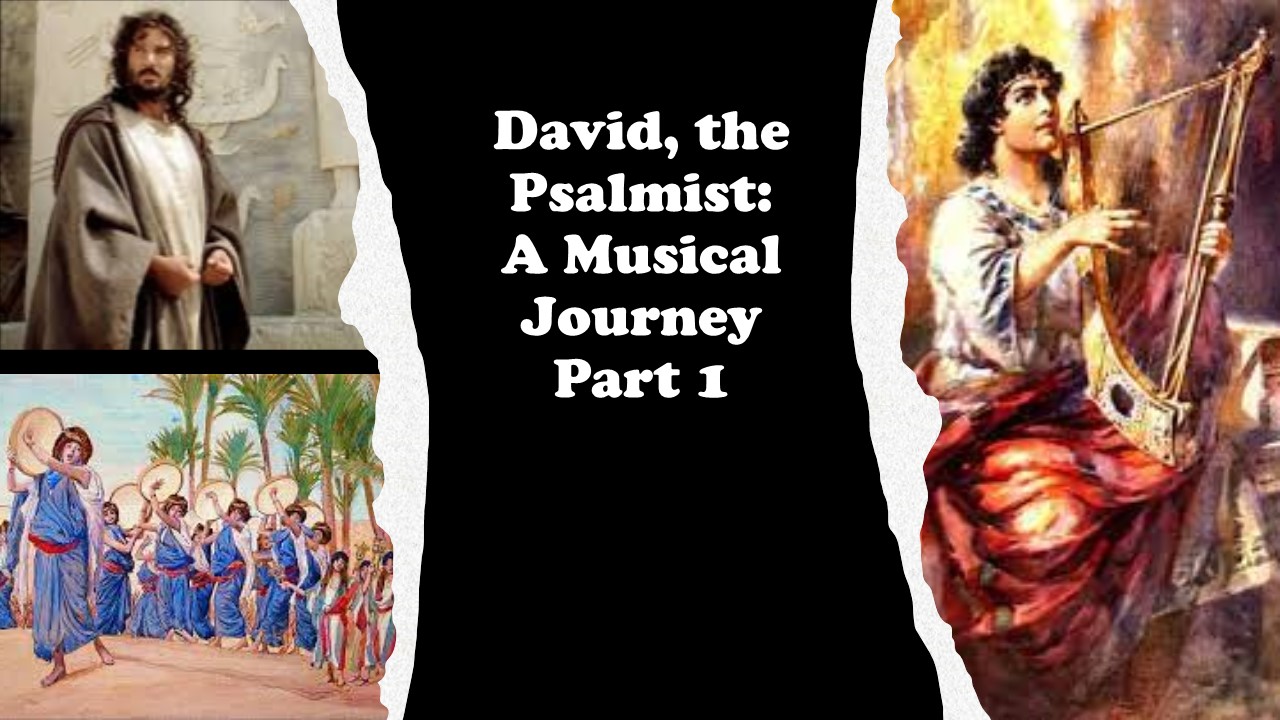
Today we begin Part 1 of a 1010 Thrive special – David, the Psalmist: A Musical Journey. This is an exploration into the life...
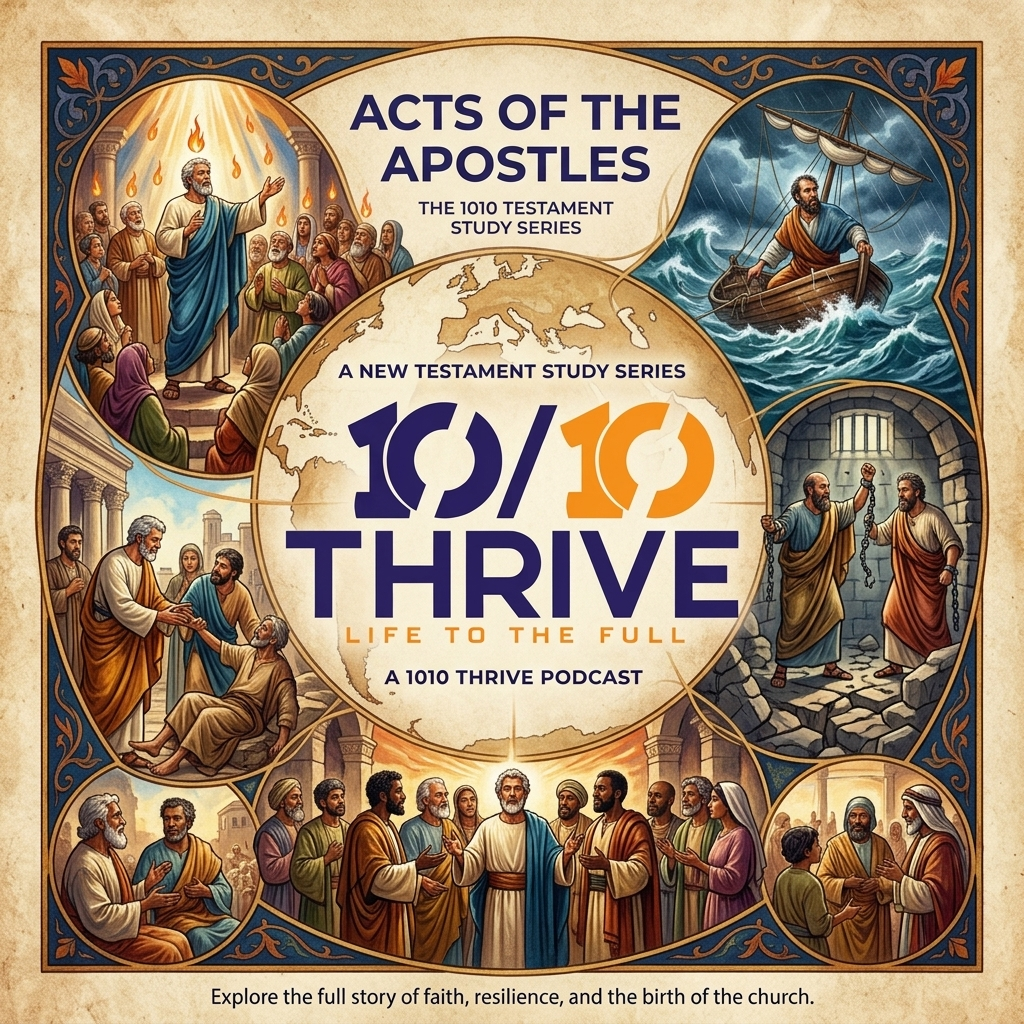
Years after Pentecost and the conversion of Cornelius, Peter found himself in Antioch, one of the most diverse and vibrant centers of the early...