In Isaiah chapters 60 to 62, the prophet uses evocative imagery of light, glory, and joy to depict a future filled with divine favor and restoration for Jerusalem and Israel. This imagery prefigures the teachings of Jesus and is echoed throughout the New Testament. Light in Isaiah represents God's salvation and truth, a theme that Jesus embraces in declaring Himself as the light of the world, offering guidance and illumination to humanity. The glory depicted in Isaiah is fulfilled in the person of Christ, who embodies God’s presence and majesty, and whose incarnation reveals divine glory. The joy in Isaiah, arising from God’s redemptive acts, is mirrored in the teachings of Jesus, where joy is linked to salvation, the fulfillment of God’s promises, and the hope of the kingdom of God. These themes of Isaiah not only articulate the prophetic vision of restoration but also resonate with Christian teachings on redemption, reflecting the consistent and redemptive plan of God across the biblical narrative.
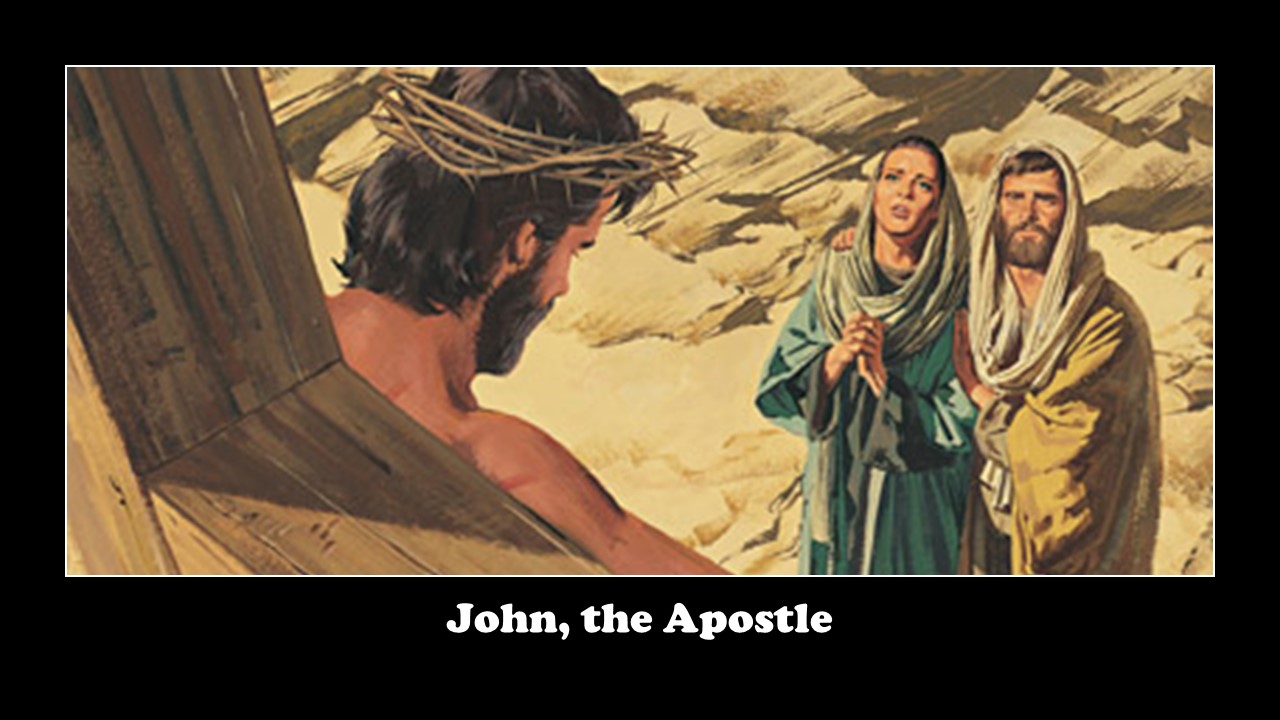
John the Apostle, also known as John the Evangelist, was one of the twelve apostles of Jesus and is believed to have been the...

In 1 Peter 2:9, the apostle tells us that Christians are “peculiar people.” In saying this, Peter is not saying that Christians are odd...
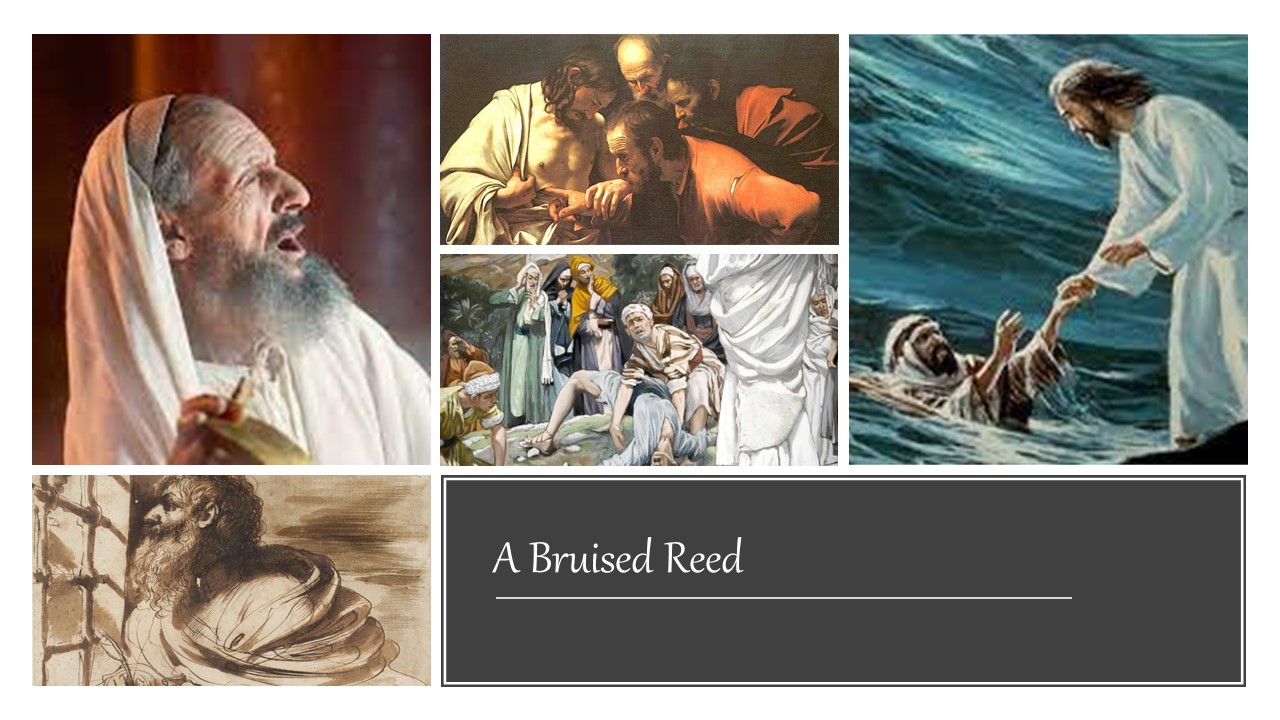
Matthew 12:20, “A bruised reed he will not break, and a smoldering wick he will not snuff out.” When Matthew wrote these words, he...
