The third commandment is far more than a warning about reputation; it is an invitation into a profound covenant promise. In the ancient world, a name was not a mere label but a revelation of a person's essence and character. When God revealed His personal name—"I AM" or Yahweh—to Moses at the burning bush, He was performing an act of radical intimacy. By offering a personal name rather than a distant title like "Creator," God invited humanity into a relationship defined by presence and availability. To speak this name is to invoke a covenant; it is to call upon a God who has promised to be "with you" from generation to generation.
When God shares His personal name, He is actually making Himself vulnerable. Much like a person who shares their true name with a stranger, God puts His identity and reputation into human hands, trusting His people to carry that knowledge with respect. This means that bearing God's name is not just about being a "good representative" to outsiders; it is about covenant fidelity. To take the name in vain is to invoke the name of the Lord while simultaneously breaking the relationship that the name represents. It is a form of spiritual betrayal—claiming the intimacy of the name while refusing the commitment of the covenant.
Understanding the third commandment through the lens of covenant transforms our spiritual life from performance to participation. When the Psalmist speaks of "trusting in the name of the Lord," he is not trusting in a magic word, but in the proven character of the God who made Himself knowable. Flourishing occurs when we move beyond using God's name as a label and begin to inhabit the relationship it represents. By speaking His name with awareness of this bond, we move from being mere observers of a reputation to active participants in a divine faithfulness that is as "fortified" as a tower.

The apostles of Jesus are standing trial before the high court of the Sanhedrin. The high priest sternly addresses them: “We positively ordered you...
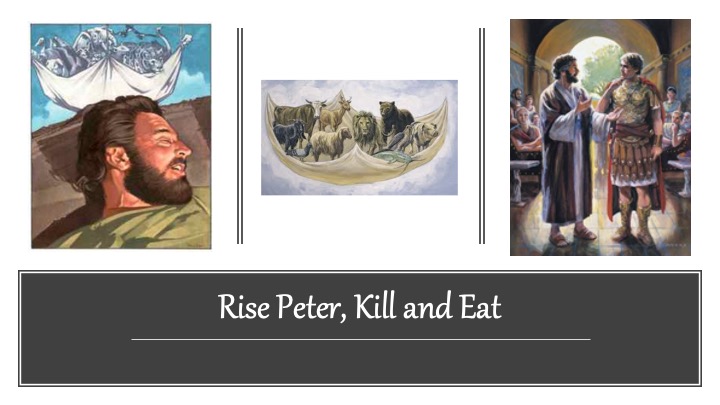
At the time when Christianity was established, \Jews viewed Gentiles as inherently unclean. This was a significant problem in the early church. Throughout Paul’s...
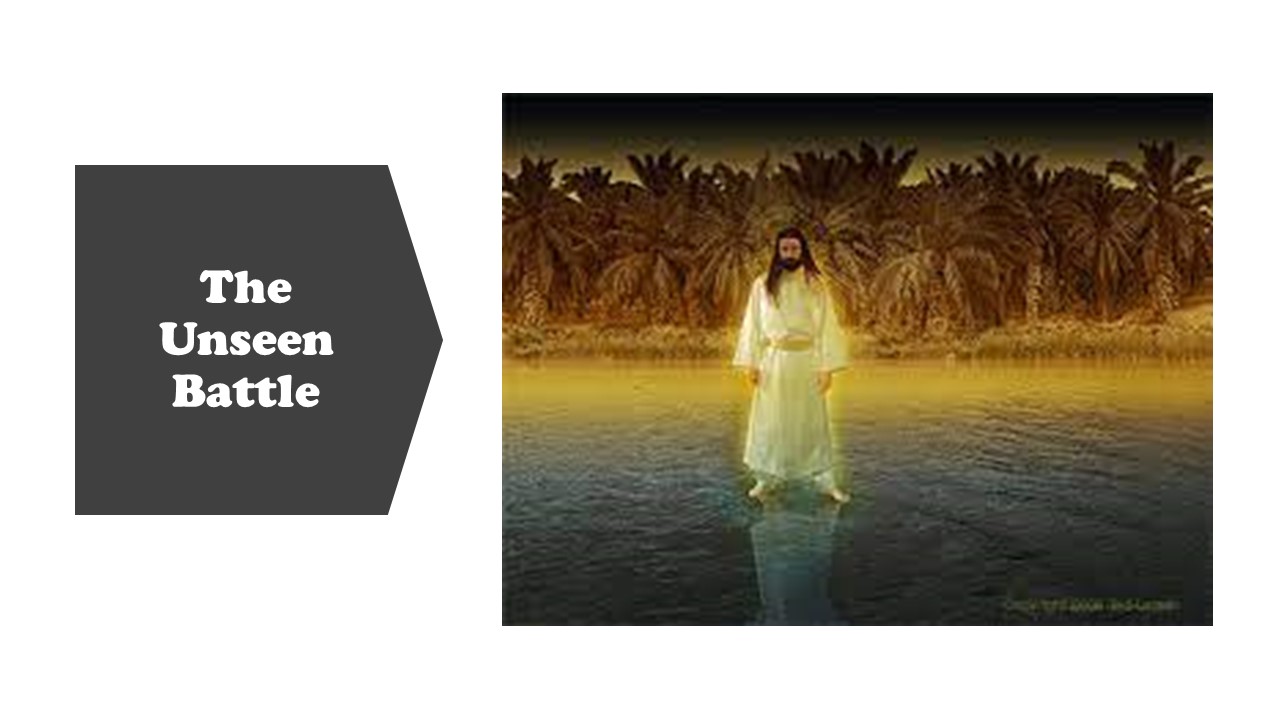
Following weeks of prayer and fasting, Daniel receives a vision by the Tigris River. A majestic being, possibly a Christophany, appears, overwhelming Daniel and...