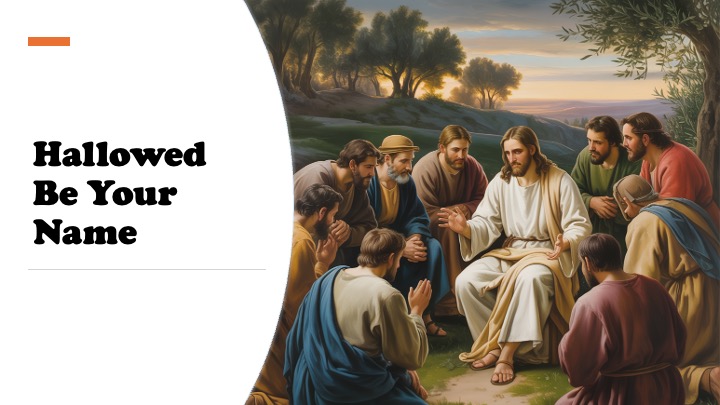
When the disciples asked, "Lord, teach us to pray," they were not seeking new religious techniques, but responding to the profound depth they witnessed in Jesus’ own prayer life. Having grown up with the rituals of Israel, they recognized that Jesus’ prayers were not transactional or anxious, but rooted in a radical intimacy and coherence with His life. Jesus’ response—the Lord’s Prayer—reveals that prayer is primarily an act of formation rather than a list of requests. By placing the petition "hallowed be your name" at the very beginning, Jesus reorients prayer from being a tool for our needs to a commitment toward God's character.
To "hallow" God’s name is the active, positive fulfillment of the third commandment. While the commandment warns us not to bear the name in a hollow or false way, Jesus invites us to live in a way that makes God’s holiness visible. This means that prayer is a moral act that aligns our values with God’s, transforming us into agents of His kingdom. When we pray this way, our worship shapes our witness; our private devotion becomes the wellspring for our public integrity. We move from using God’s name as a religious convenience to honoring it through choices that reflect His mercy, justice, and truth.
Ultimately, a life ordered around hallowing God’s name produces a deep, internal clarity that leads to genuine flourishing. When our primary goal is to honor God’s character, we gain a "North Star" that simplifies our decisions and integrates our fragmented selves. We stop being tossed about by shifting circumstances and begin to live with a purpose that transcends our immediate desires. This transformation is not about achieving perfection, but about moving from religious performance to a lived reality where our character becomes a truthful revelation of the God we serve.

Modern exhaustion is frequently not a physical ailment or a logistical failure, but a "tiredness of division" that stems from living a fragmented life....

Tradition holds that Paul wrote the first epistle to Timothy from Macedonia, likely in the region of northern Greece. After his release from his...
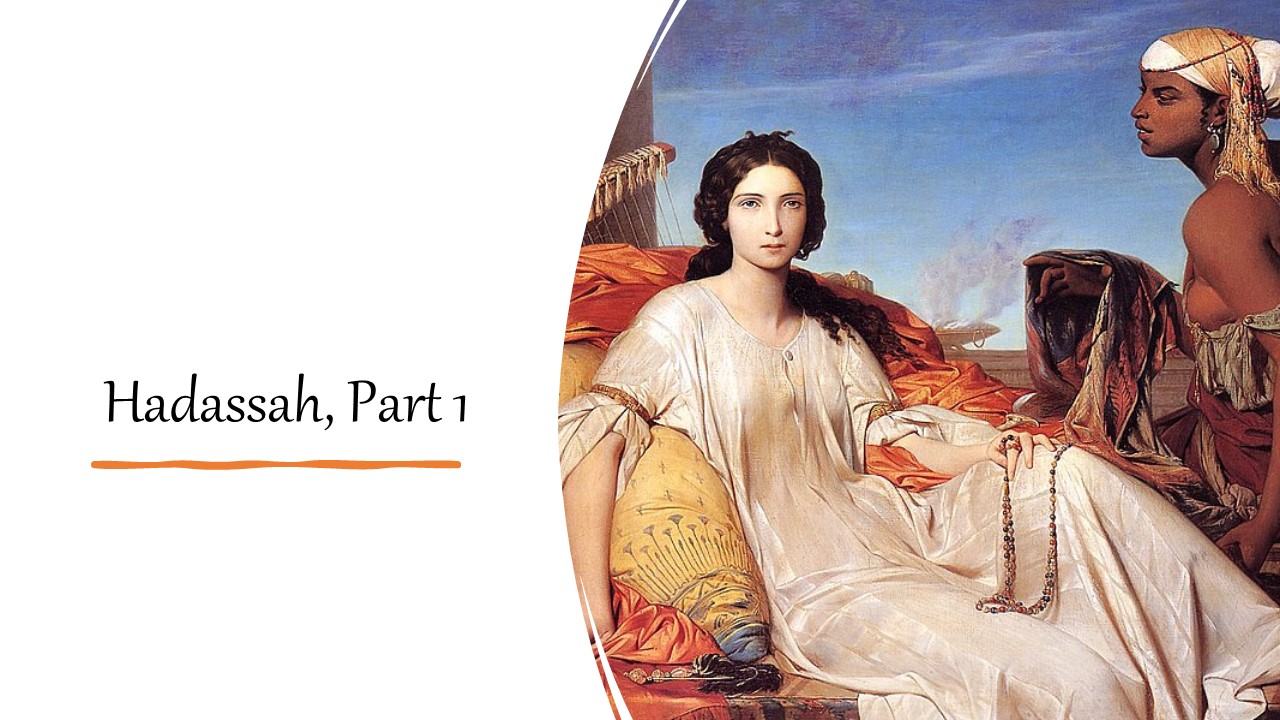
In Part 1 of a series about a young Jewish girl, Hadassah, who would grow up to be queen in a foreign land, we...