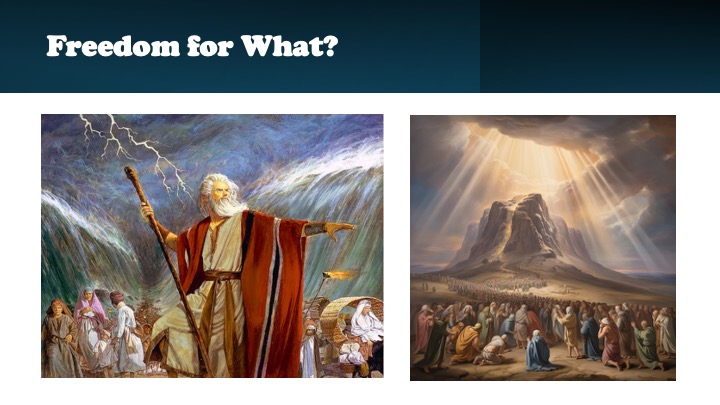
After four hundred years of slavery in Egypt, the Israelites emerged from the Red Sea as a liberated people who possessed the "muscle memory of bondage" but no understanding of how to live as free citizens. Their early days in the wilderness were marked by anxiety and a longing for the predictable rhythms of servitude, proving that liberation without direction often leads to chaos. Into this vacuum of purpose, God provided the Law at Mount Sinai—not as a new form of oppression, but as the essential architecture for a free society. God’s instructions were designed to transition a traumatized crowd into a "treasured possession" and a covenant community.
Crucially, the Law was established only after the relationship was secured. At Sinai, God first reminded the people that He carried them on "eagles' wings" before offering the Ten Commandments, demonstrating that the relationship always precedes the rules. The commandments provided a vertical orientation toward God—including the revolutionary concept of the Sabbath, which asserted that human value is not tied to productivity—and a horizontal orientation toward others. These laws protected human dignity and justice, serving as the "how-to" manual for a people who had only ever known the arbitrary and cruel laws of a Pharaoh.
Although the people were initially terrified by the direct voice of God and requested a mediator in Moses, the underlying intent of the Law remained one of love and flourishing. From the earlier covenants with Noah and Abraham to the revelation at Sinai, God’s boundaries have always been an answer to the fundamental human need for guidance. Rather than being a restrictive burden, the Commandments are the framework of true freedom; they are God’s way of teaching His rescued people how to use their liberation wisely. By aligning with these ancient instructions, we find that obedience is not a limit on our freedom, but the very path to becoming the people we were created to be.
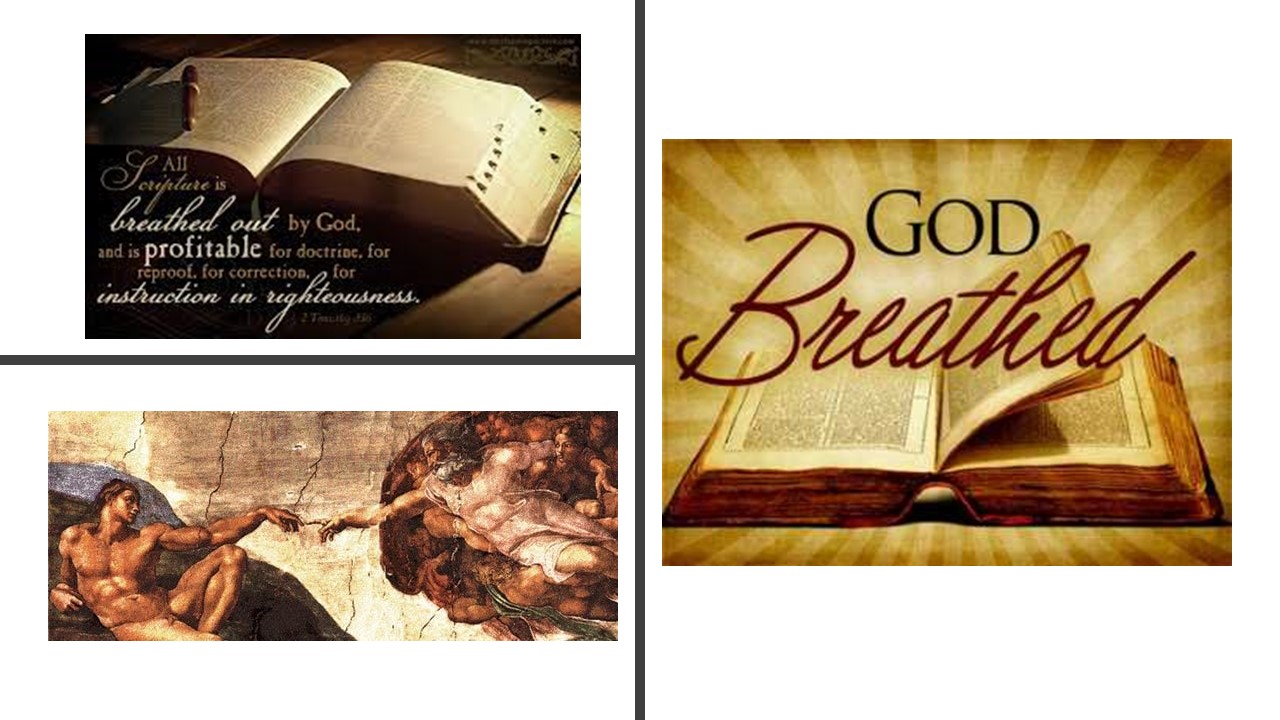
The Scriptures are not just insightful words written by human beings. The words in both the Old Testament and the New are breathed into...
Fruit is the direct result of whatever controls our hearts. The fruit of the Holy Spirit is in direct contrast with the acts of...
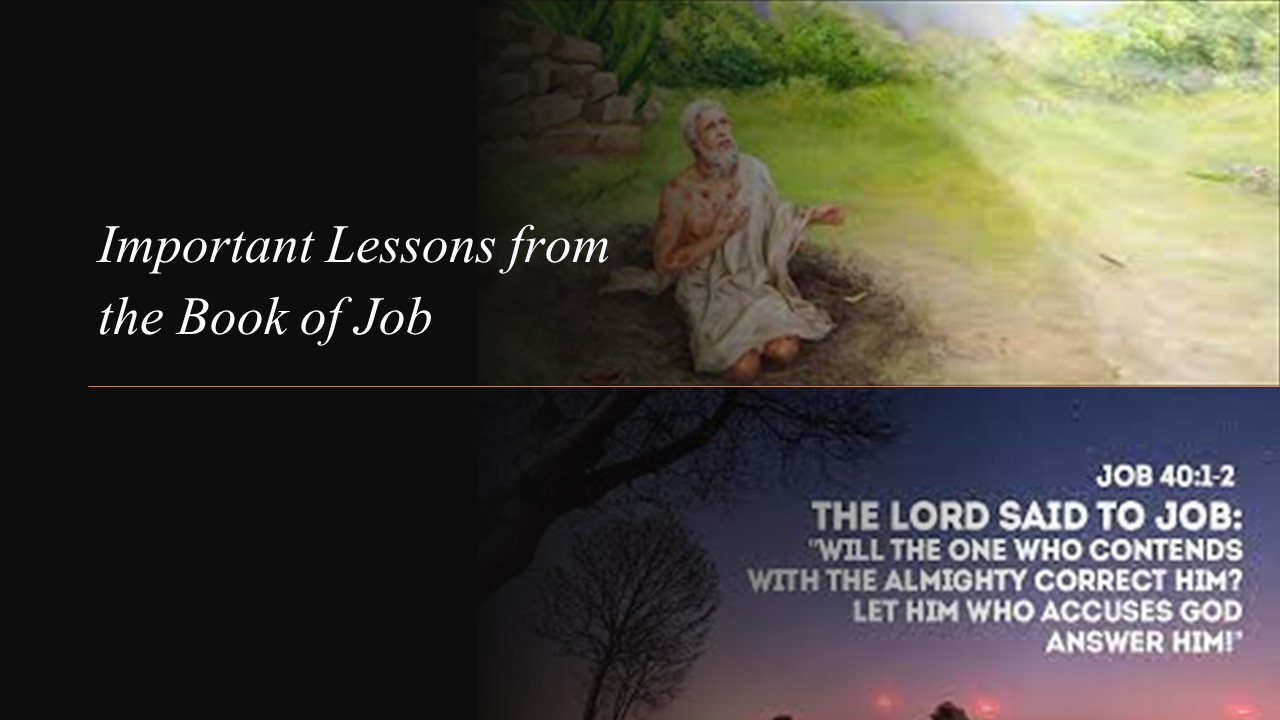
The Book of Job teaches us to trust God under all circumstances. We must trust God, not only when we do not understand, but...