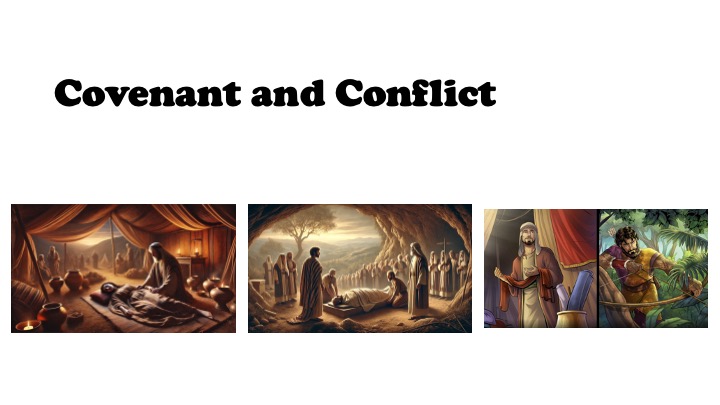
The final chapter of Abraham’s life was marked by deep mourning, preparation, and faith. After Sarah’s passing, he secured the Cave of Machpelah as a burial site, not just for Sarah but for future generations, symbolizing his belief in God’s promise that the land of Canaan would belong to his descendants. Understanding the importance of preserving the covenant, Abraham took great care in finding a suitable wife for Isaac, ensuring that he would marry within their faith lineage rather than among the Canaanites. Jewish tradition suggests Abraham was fervent in prayer for this arrangement, and through divine intervention, Rebekah was chosen, securing the continuation of God’s plan.
In his later years, Abraham took another wife, Keturah, and had six more sons, whose descendants would form powerful Arabian tribes. However, Isaac remained the covenant heir, while Abraham provided gifts and sent the other sons away to prevent conflict over inheritance. Before his death at 175, Abraham’s wisdom ensured that the covenant remained intact. His burial in the Cave of Machpelah by both Isaac and Ishmael hints at a possible reconciliation between the half-brothers, reinforcing the theme of God’s mercy and overarching plan. Ishmael’s lineage would form twelve tribal rulers, fulfilling God's promise that he, too, would become a great nation, yet he remained distinct from the chosen line of Isaac.
Isaac’s life continued in the promise, but not without challenges. His wife, Rebekah, remained childless for twenty years, and Isaac’s faith was tested as he waited on God’s timing. When their twin sons, Esau and Jacob, were finally born, their personalities and destinies were starkly different. Esau, a hunter, was impulsive and indifferent toward his spiritual birthright, while Jacob, contemplative and strategic, sought the blessings of God’s covenant. The tension between them grew, culminating in Esau selling his birthright for a meal, showing his disregard for its spiritual significance. This pivotal moment set the stage for one of the most well-known biblical narratives: Jacob’s pursuit of the blessing and Esau’s resentment, shaping the future of nations and God’s divine plan.
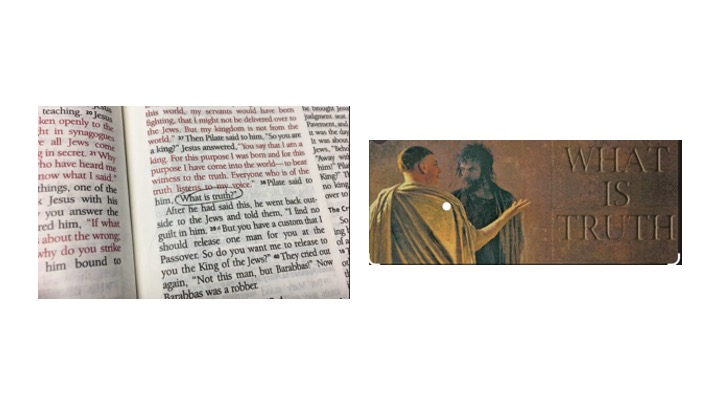
One of the most profound and eternally significant questions in the Bible was posed by an unbeliever. Pontius Pilate—the Roman governor who handed Jesus...
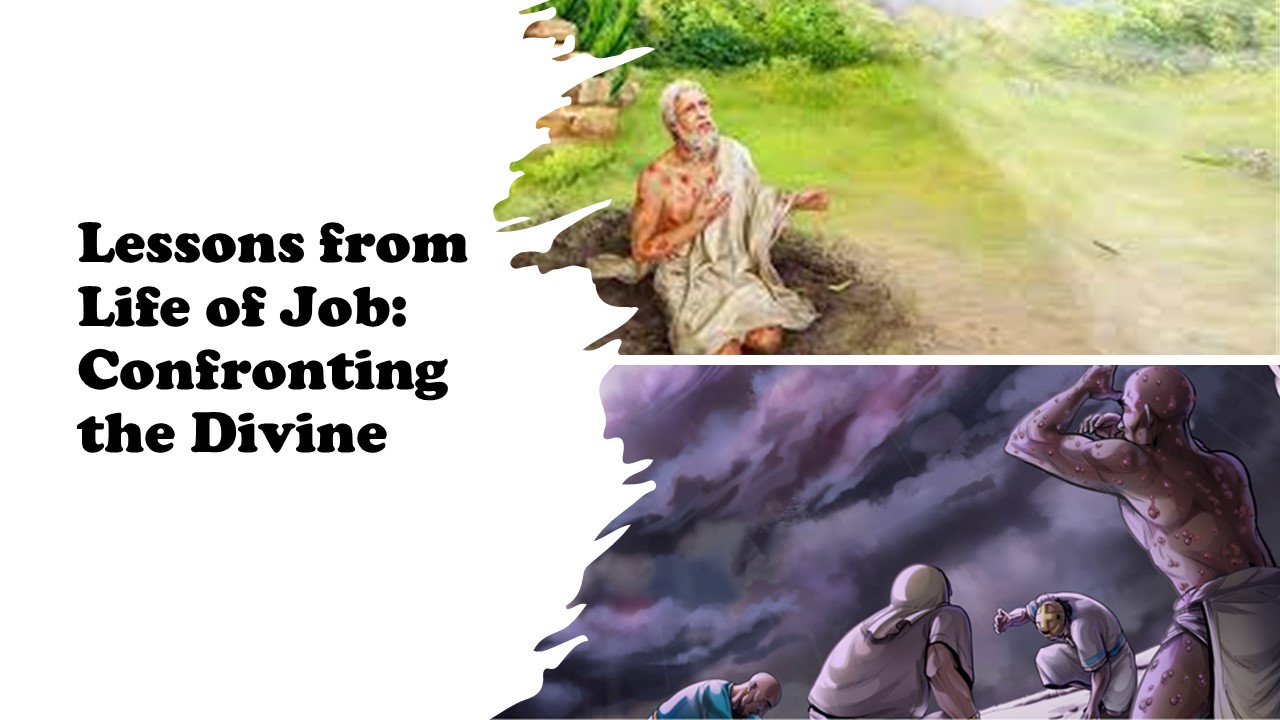
Despite having experienced tremendous suffering and loss. Job still refuses to curse God. Instead, he questions the purpose of his suffering. As he sits...

The "Song of Songs," known as "Shir HaShirim" in Hebrew, is celebrated as the greatest song in the biblical canon, often attributed to King...