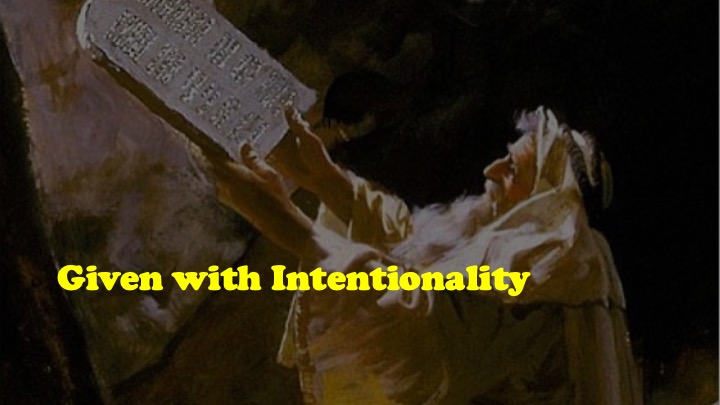
The Ten Commandments are far from a hasty collection of rules; they are a masterpiece of divine intentionality, given during Moses’ forty-day encounter with God. The number ten signifies completeness and sufficiency in the ancient world—matching the fingers on a human hand to ensure the laws were memorable and "democratized" for every person, from shepherd to child. Structured in a triad, the first three commandments orient humanity vertically toward God, the fourth acts as a bridge through the Sabbath, and the final six govern horizontal relationships with others. This deliberate design mirrors the "Two Greatest Commandments" later highlighted by Jesus: to love God and to love one’s neighbor.
When compared to other ancient legal systems, such as the Babylonian Code of Hammurabi, the radical nature of the Ten Commandments becomes clear. While Hammurabi’s 282 laws were based on social class—offering different justice for nobles than for slaves—the Ten Commandments established a revolutionary equality. They operate on the principle that every human being is equal before God, with prohibitions against murder or theft applying to everyone regardless of status. Unlike Egyptian or Mesopotamian traditions that were often pragmatic or focused on navigating the afterlife, the Ten Commandments are grounded in a personal covenant with a Redeemer who speaks directly to His people.
Ultimately, these principles are unique because they focus on transforming the human heart from the inside rather than merely regulating behavior through external punishment. While secular codes say, "If you steal, you will be punished," the Ten Commandments appeal to the conscience and the dignity of the community. They serve as a "root code" for human flourishing that has outlasted empires for over three millennia. By studying them, we aren't looking at arbitrary restrictions, but at a proven framework of wisdom that reflects God’s deep understanding of what it takes for a society to truly thrive.

This episode explores radical New Testament generosity, emphasizing that giving is an act of worship and a catalyst for divine multiplication. From the outset,...
In this last week of 2021, we are sharing our top five episodes from the first 300: these are the episodes that were most...
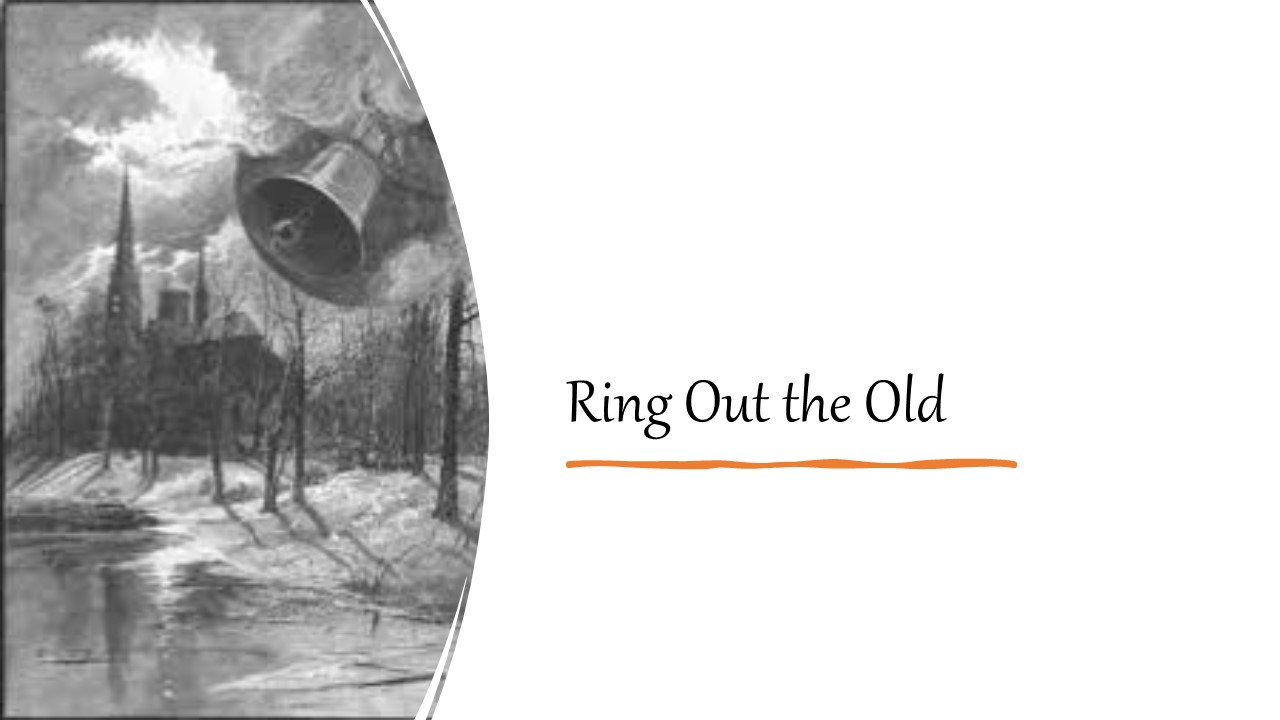
We begin 2022 by reflecting on the importance of letting go of the past and pressing forward to the high calling from God for...