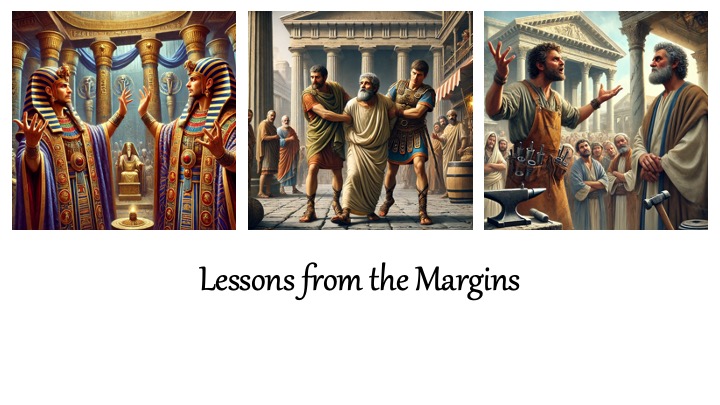
The book of 2 Timothy contains several lesser-known stories that provide a glimpse into the personal lives and relationships within the early Christian community. For example, Paul speaks of Phygelus and Hermogenes, who abandoned him during his imprisonment, highlighting the loneliness and betrayal he faced. In contrast, he praises Onesiphorus, a faithful friend who risked his own safety to comfort Paul in prison, demonstrating the power of loyalty and courage in times of hardship.
Paul also mentions other figures, such as Alexander the coppersmith, who actively opposed his ministry, and Trophimus, who was left sick in Miletus, illustrating the real-life challenges and human frailty experienced by early Christians. The references to personal items like Paul’s cloak, books, and parchments further reveal the Apostle’s humanity and commitment to learning and preparation even in his final days. Additionally, the greetings from lesser-known believers like Eubulus, Pudens, Linus, and Claudia reflect the broad network of support that sustained Paul and the early church.
These small but significant mentions remind us that the early Christian movement was not only shaped by prominent leaders like Paul but also by countless others who made sacrifices, faced opposition, and supported each other in faith. Their stories encourage us to remain steadfast in our own walk with Christ, knowing that each act of faithfulness, no matter how small, contributes to the greater work of God’s kingdom.

David's reign was marked by significant accomplishments, including the unification of the twelve tribes, military victories, and the establishment of Jerusalem as the capital...

God is a god of abundance. We see evidence of this in how He moved in the lives of people throughout the Bible. And...

The gospel is “everlasting” in that it is an eternally unchanging message. False doctrines come and go, and new teachings are like wind and...