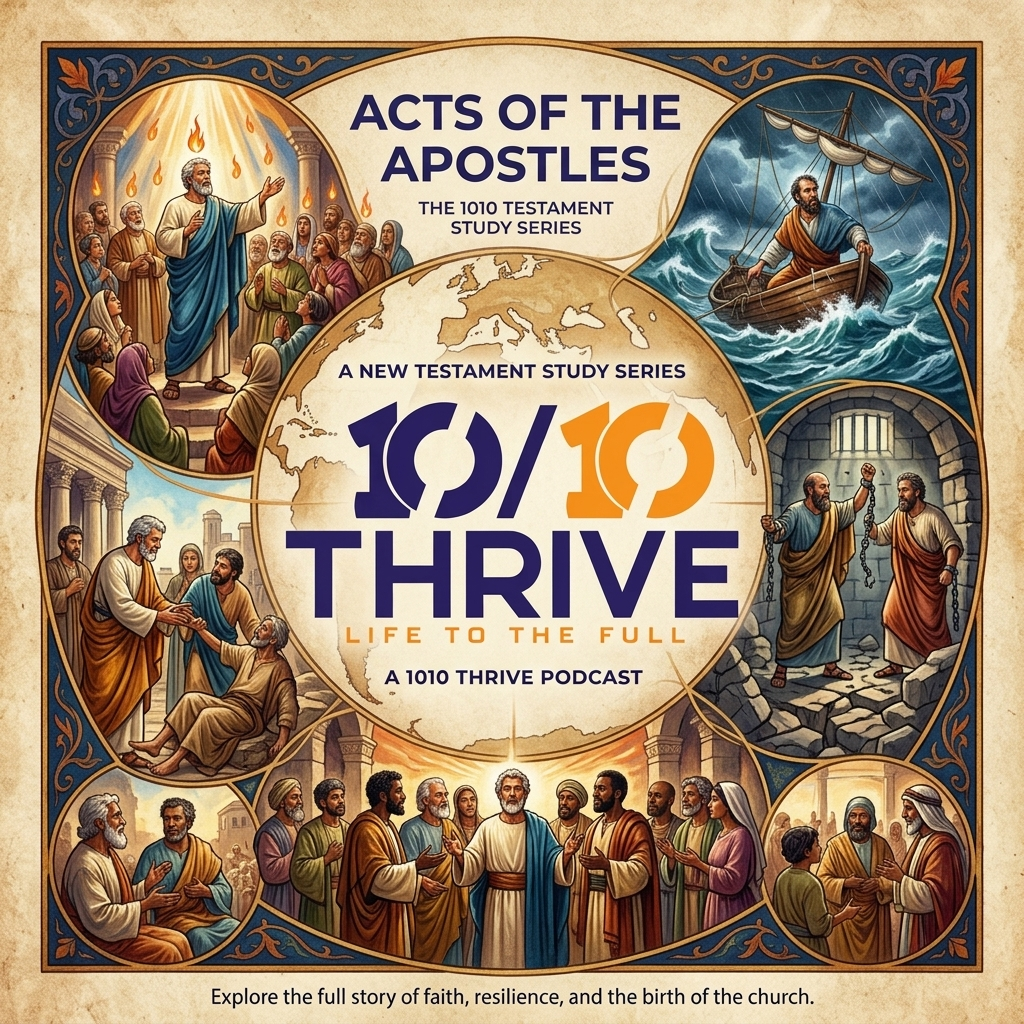
In the final episode, the series reflects upon Paul’s extraordinary life and the enduring significance of his ministry. Beginning with his transformation from Saul of Tarsus, a zealous persecutor of Christians, into one of Christianity’s most influential missionaries, the episode considers the power of grace to change the direction of a human life. Paul never denied the harm he had caused, but he understood his new calling as an undeserved gift from God. His missionary journeys carried him across the Roman world, where he proclaimed that Jews and Gentiles alike could belong to God's people through faith in Jesus Christ. His teaching challenged distinctions of ethnicity, social standing, and legal status, calling believers to recognize their shared dignity and responsibilities as members of one community in Christ.
The episode then considers several of Paul’s most important teachings and their relevance to contemporary Christian life. His description of love in First Corinthians 13 reminds believers that religious knowledge, conviction, and spiritual gifts are insufficient without patience, humility, and compassion. His reflections on weakness and suffering reveal that faith does not eliminate hardship but can provide strength to endure it. His declaration that he could do all things through Christ is understood in its original context as an expression of contentment amid both abundance and deprivation, rather than a promise of unlimited personal achievement. Paul’s example also challenges listeners to consider how they use their education, abilities, resources, and influence in service of others. Throughout these teachings, the episode emphasizes that authentic faith must be evident not only in what believers profess but also in how they live.
The series concludes by returning to the conviction that sustained Paul throughout his ministry: his belief in the resurrection of Jesus Christ and the assurance that neither suffering nor death could separate him from God's love. Although Paul never witnessed the full influence of his work, his letters have continued to shape Christian faith for nearly two thousand years, long after the Roman Empire that imprisoned him disappeared. His life challenges conventional measures of success based upon wealth, power, recognition, or personal comfort. Instead, Paul offers a vision of a meaningful life grounded in grace, love, service, courage, and perseverance. His final declaration, “I have fought the good fight, I have finished the race, I have kept the faith,” becomes both the conclusion of his story and an invitation for listeners to examine their own lives, asking whether they are using the opportunities entrusted to them to love faithfully, serve humbly, and remain true to God's calling.

As Paul, Silas, and Timothy approached Thessalonica, the city’s vibrant atmosphere contrasted sharply with the rugged Macedonian landscape they had just traversed. The city...
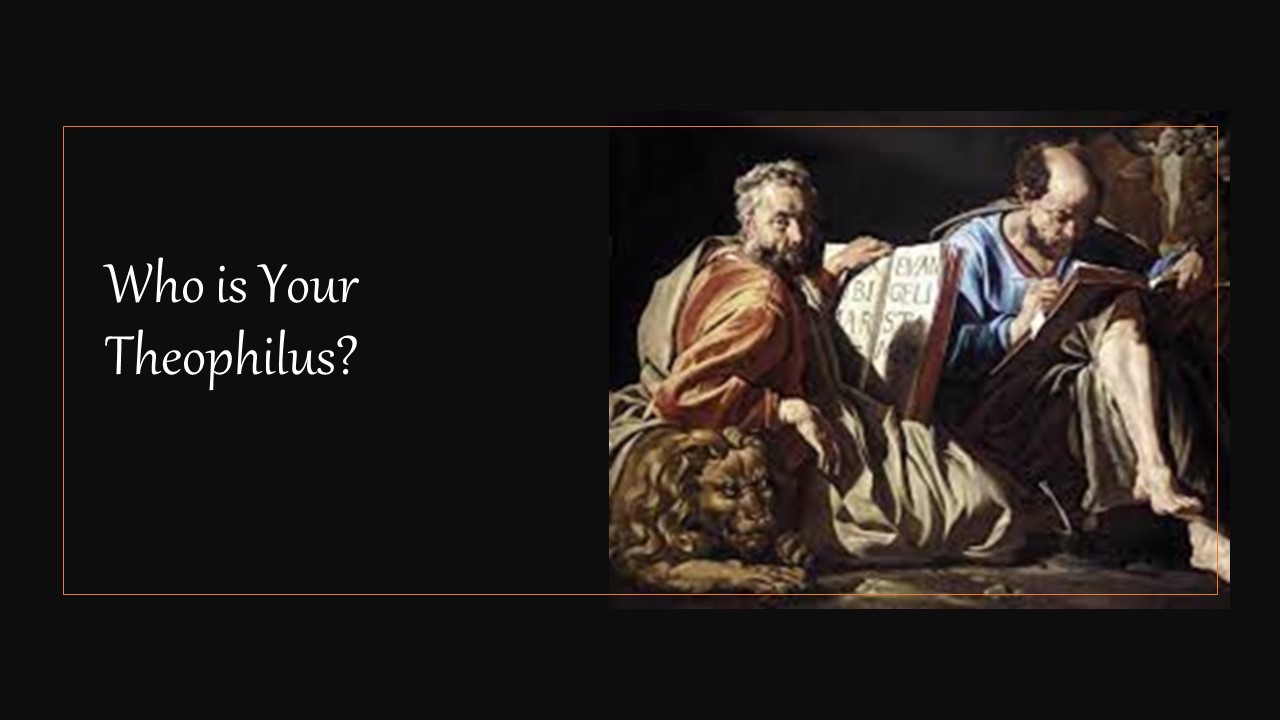
This is a replay of an episode first broadcast in August 2021. Who is Theophilus? This is unclear in the Scriptures. However, he is...

The Book of Psalms is a compilation of prayers, songs, and poems that have been part of Jewish and Christian worship for millennia. Composed...