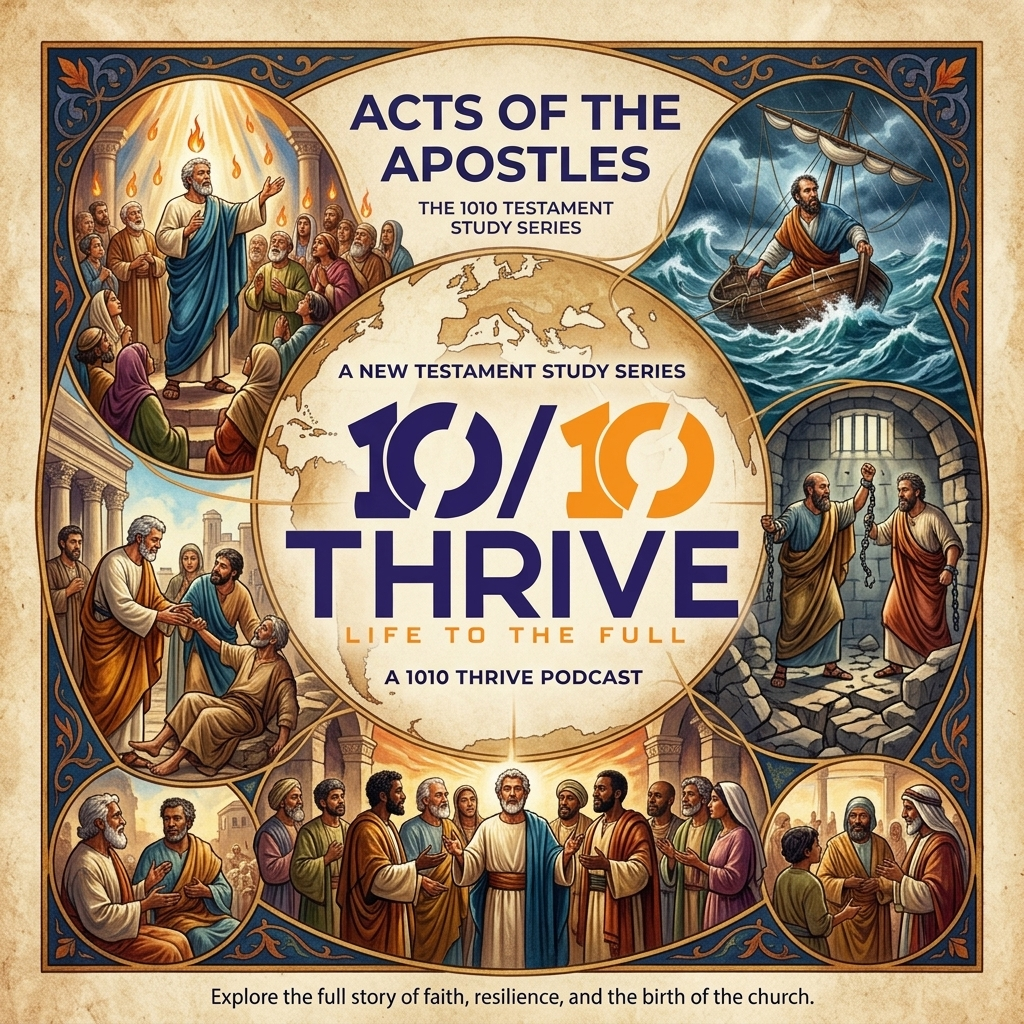
In Episode 17, the court heard from Demetrius bar Ezra, a Jewish leader from Thessalonica who had opposed Paul’s preaching there. Demetrius described how Paul reasoned from the Scriptures that the Messiah had to suffer and rise from the dead and that Jesus was that Messiah. When some Jews and many Gentiles were persuaded, Paul’s opponents brought his supporters before the city authorities and made the accusation Varro had been approaching throughout the trial: Paul and his companions were acting against Caesar by proclaiming “another king, Jesus.”
Paul did not deny that Jesus was King. Instead, he challenged Demetrius and the court to consider what kind of King Jesus was. Paul acknowledged that he too had once found the idea of a crucified Messiah impossible, until he became convinced that Jesus had risen from the dead. He argued that Jesus’ kingdom did not advance through armies or domination, but through service, forgiveness, love of enemies and lives transformed by the conviction that death itself did not have the final word. Demetrius and Paul ultimately discovered that they agreed God stood above every human ruler; their fundamental disagreement was whether Jesus was truly God’s promised Messiah.
The testimony brought the central issue of the trial into sharper focus. Varro argued that calling Jesus King inevitably placed limits on Caesar’s authority because believers would ultimately obey God when the two came into conflict. Paul accepted that limit but denied that it made Christians rebels. For the listener, the question became personal as well as political: if Jesus truly is King, calling him Lord cannot remain merely a religious opinion. His kingship must shape how a person uses power and possessions, treats neighbors and enemies, responds to suffering, and ultimately orders a life.
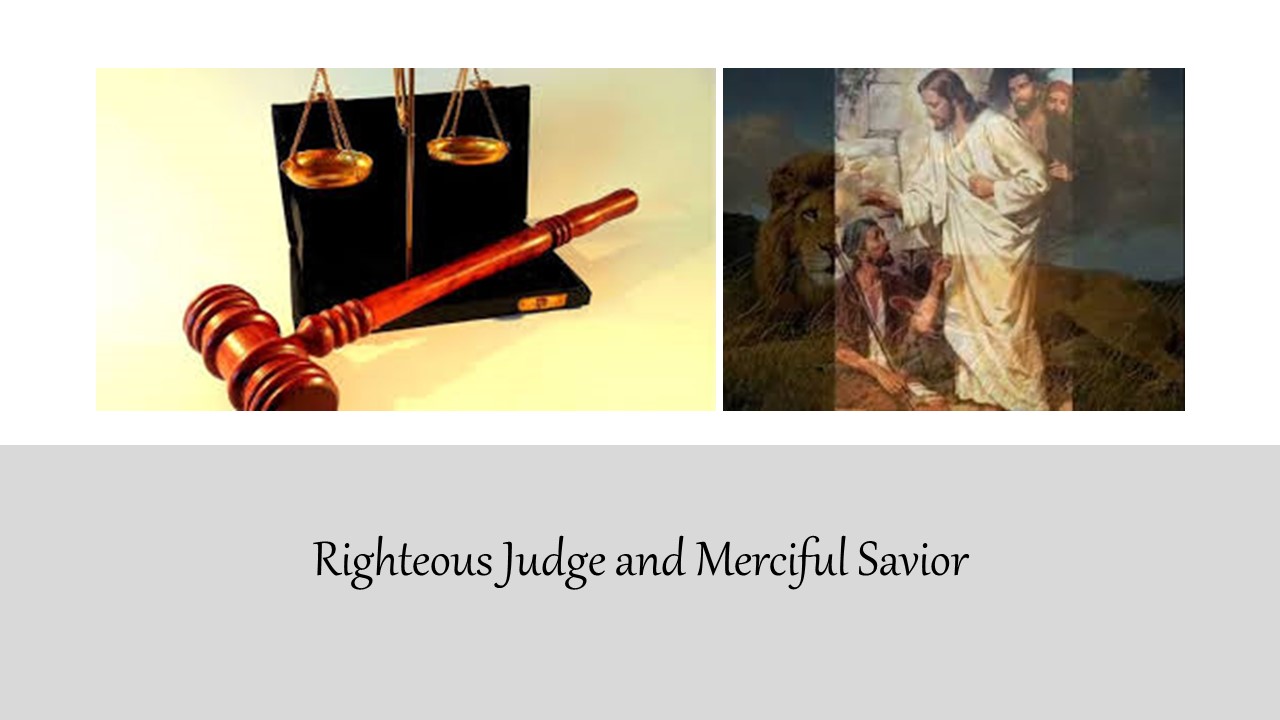
The Book of Amos tells the story of a shepherd-turned-prophet who confronts social injustice in ancient Israel. Amos, chosen by God, exposes the wealthy...
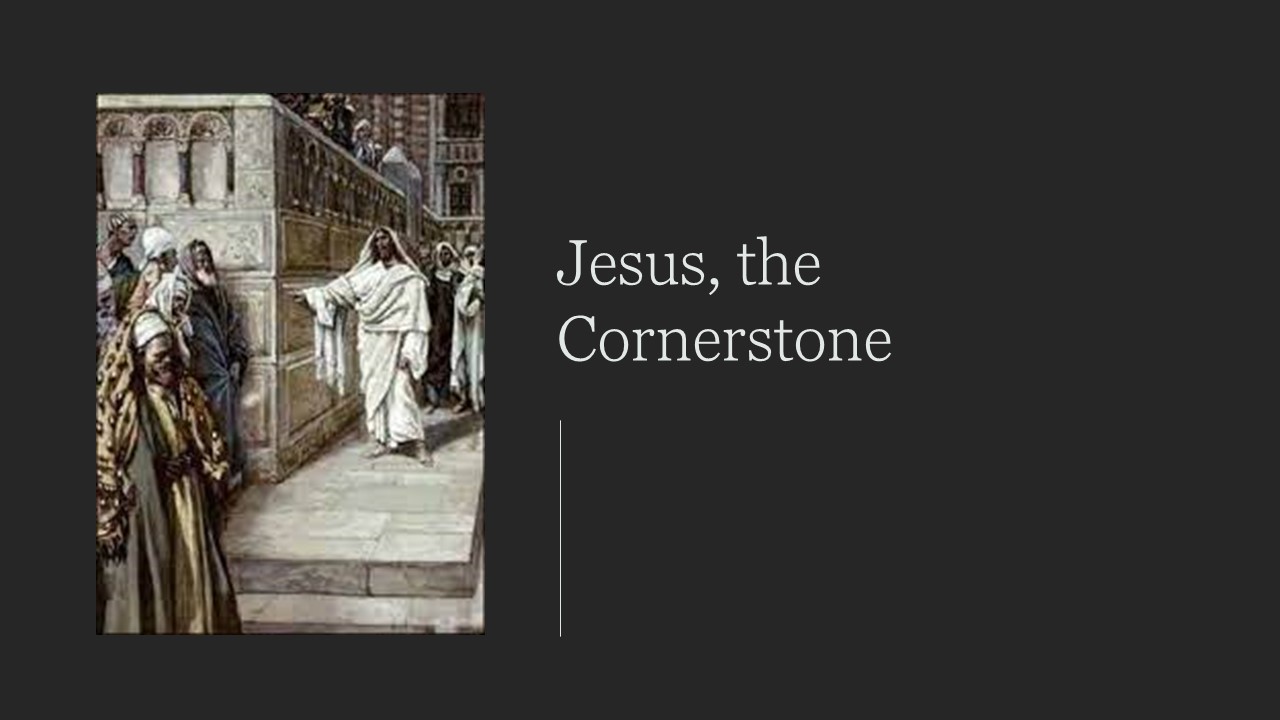
Since ancient times, builders have used cornerstones in their construction projects. A cornerstone was the principal stone, usually placed at the corner of an...
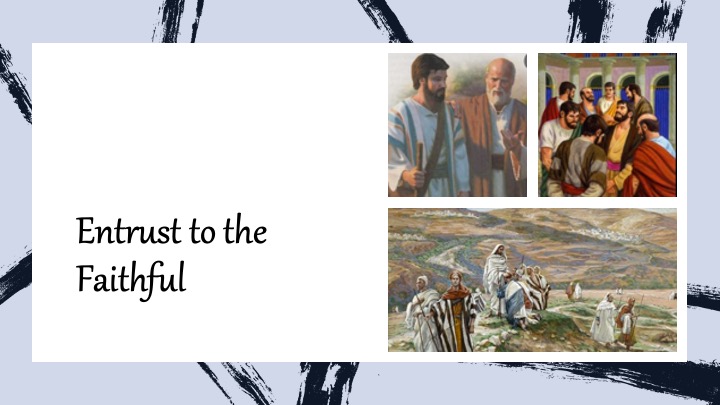
In 2 Timothy 2:2, Paul writes, “And what you have heard from me in the presence of many witnesses entrust to faithful men who...