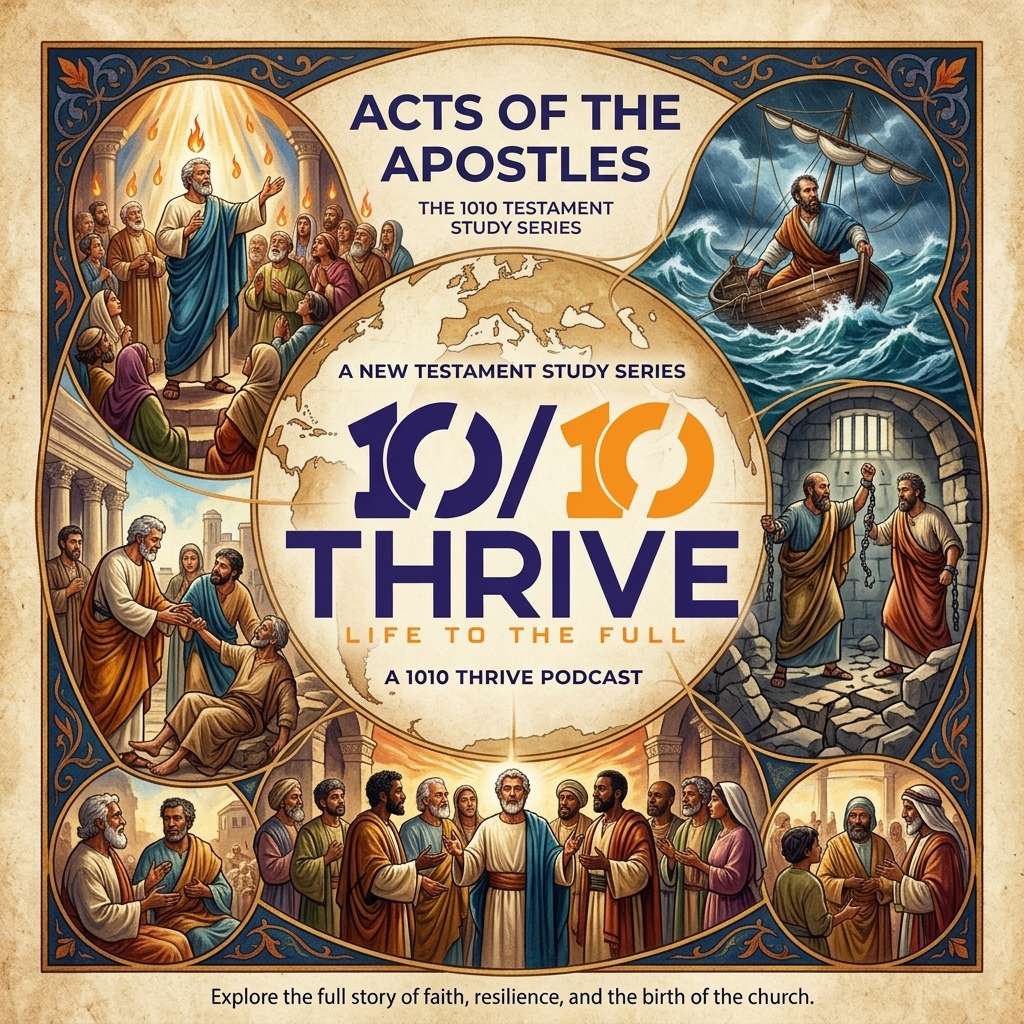
In Episode 18, the court heard from Dionysius of Athens, a member of the Areopagus who encountered Paul after Epicurean and Stoic philosophers brought him there to explain his teaching. Rather than beginning with Jewish Scripture, Paul began with something Athens itself acknowledged it did not understand: an altar “to an unknown god.” From there, he proclaimed the God who made the world, gives life to all people, and is “not far from any one of us,” even drawing upon Greek poetry to communicate with his audience.
Dionysius described how Paul challenged Athens to move beyond the safety of perpetual searching. The philosophers were accustomed to examining ideas, but Paul’s call to repentance reversed the relationship: Dionysius was no longer simply examining a claim; the claim was examining him. The resurrection remained the greatest obstacle, but Dionysius came to understand that if God truly is the giver of life, the question was not whether resurrection was possible, but whether God had actually raised Jesus. Eventually, Dionysius believed.
Varro saw a different significance in Athens. Paul could enter a synagogue through Scripture and approach Greek philosophers through an altar and their own poets, yet lead both audiences toward the same message of repentance, resurrection, judgment, and Jesus. His method changed because his listeners changed, but his message did not. The episode left listeners with a personal question as well: if God is not far from those who seek him, what happens when searching gives way to the possibility that God has made himself known?
The Seventh Commandment, "You shall not commit adultery," is traditionally viewed through the lens of physical infidelity, but the prophets of Israel reveal it...

The Parable of the Two Sons (Matthew 21:28–32), delivered to the chief priests and elders during Jesus’ final week in the Temple, is a...

The Book of Isaiah significantly influenced the New Testament, particularly in the writings of the Gospel authors and Paul. This influence is manifest in...