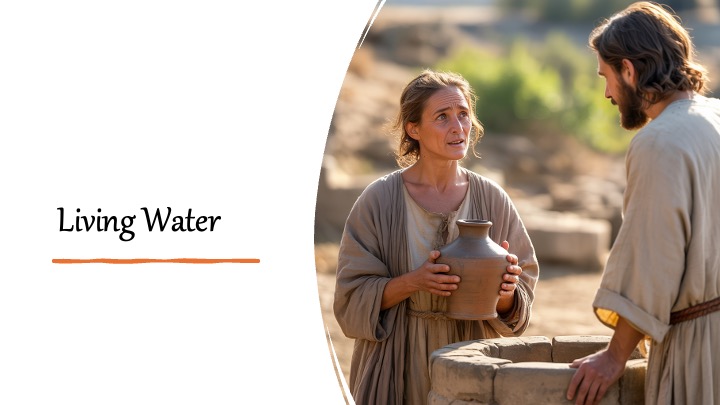
In Episode 1169 of the 10:10 Thrive Podcast, we are drawn into one of the most intimate and revelatory conversations Jesus has in the Gospels—His dialogue with the Samaritan woman at the well. Set in the heat of the day at Jacob’s well, this encounter transcends social, ethnic, and moral boundaries. Jesus asks the woman for a drink, a request that stuns her, given their cultural divide. But from this simple exchange, Jesus pivots to a deeper truth: offering her “living water” that satisfies the soul, not just the body. As she wrestles with His words, He gently unveils both her past and her value, revealing a Savior who sees everything and still extends love.
As their conversation deepens, the woman brings up religious tensions—asking about the proper place of worship. Instead of brushing off her deflection, Jesus offers one of the most profound teachings on worship found in Scripture: that true worship is not about location or tradition, but about engaging with God in spirit and truth. In a stunning act of grace, Jesus then reveals His identity as the Messiah directly to her—a marginalized, broken, Samaritan woman. Her response is immediate: she leaves her water jar behind and runs to tell others. Her shame becomes her testimony. Her encounter becomes a ripple of revival.
This episode reminds us that Jesus meets us where we are—at the well, in our weariness, in our shame, in our search for more. He offers us living water, knows our deepest truths, and invites us into a life of authentic worship and bold witness. Like the woman, we are called not only to receive this grace but to share it, letting our transformed lives lead others to the Savior.

What are some verses in 2 Samuel on which we ought to meditate? Scriptures referenced include 16 different passages in 2 Samuel. Check out...
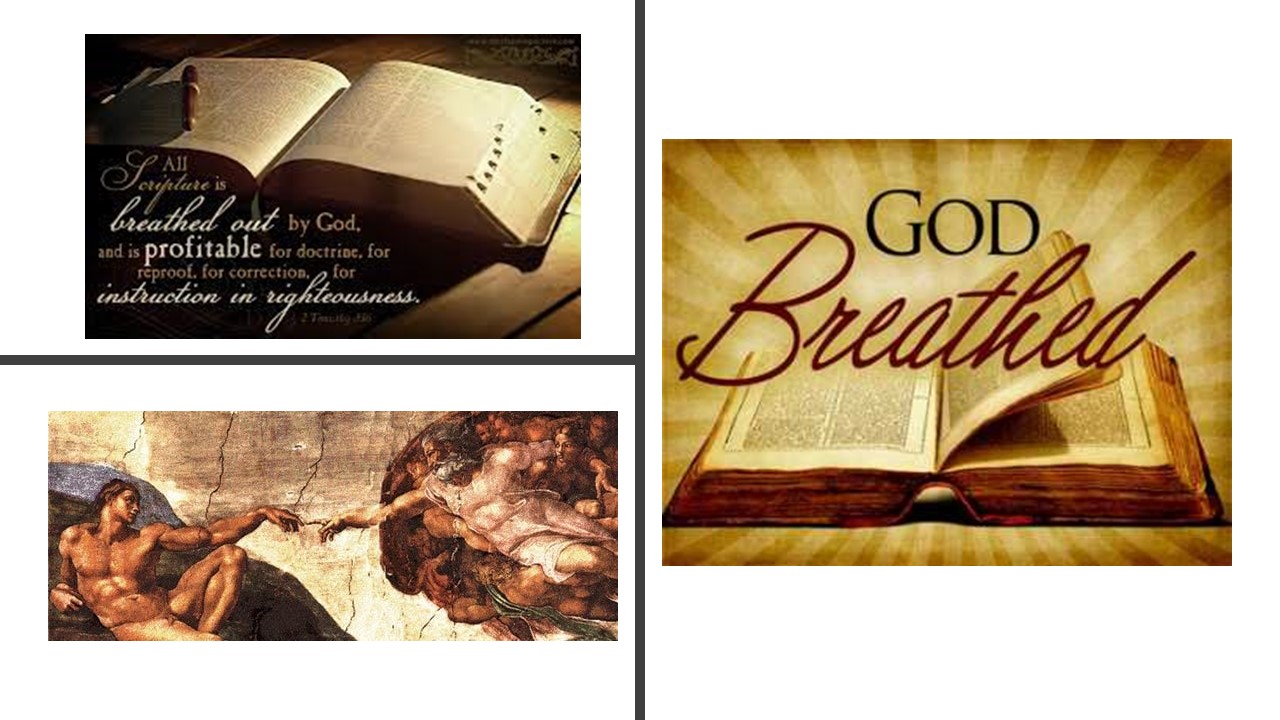
The Scriptures are not just insightful words written by human beings. The words in both the Old Testament and the New are breathed into...

In Part 3 of The Disciple Whom Jesus Loves, Elder John recalls the days immediately following Jesus’ baptism, when he and Andrew spent time...