Miriam of Jerusalem gives the tribunal its most personal account yet of Saul’s persecution. She was among the believers arrested when Saul participated in a raid on a Christian gathering. Her testimony shows that his persecution was neither impulsive nor haphazard. Saul was organized, systematic, and thorough, pursuing women as well as men and helping create the fear that scattered believers beyond Jerusalem.
Paul draws attention to the irony that the persecution intended to destroy the movement instead contributed to its spread. Varro immediately refuses to let Paul claim providential credit for the consequences of his own violence, arguing that a man who burns a house does not become its architect because the survivors build somewhere else. Miriam nevertheless identifies an important continuity between Saul and Paul: the qualities themselves did not disappear. Saul did not become less relentless; he changed direction.
As the first week of testimony closes, the tribunal can finally see the man who approached Damascus. Tarsus had given Saul the ability to move among different worlds. Gamaliel had sharpened his intellect. His devotion had become certainty, his certainty had become persecution, and his persecution had reached from Stephen’s execution into the homes of ordinary believers. Varro has therefore established a formidable problem for the defense: Paul is asking Rome to trust a man who has already demonstrated how catastrophically wrong he can be. Paul’s answer is that something happened between the persecutor and the missionary. The tribunal is finally ready to hear what.
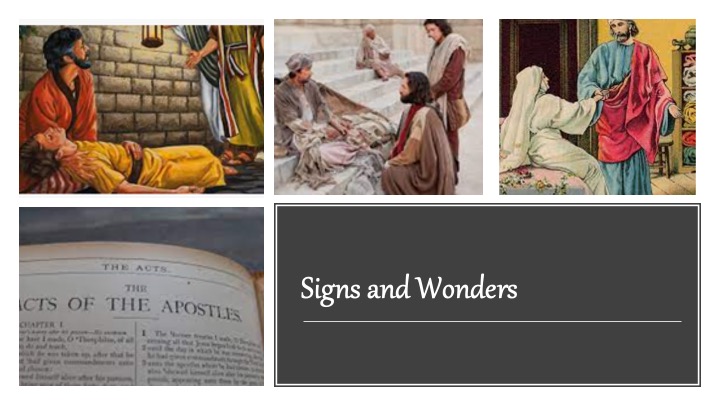
The early days of the church were a time of phenomenal growth and apostolic miracles. In Acts 5:15-16 we read, “People brought the sick...

Titus 2:11-14, “For the grace of God has appeared, bringing salvation for all people, training us to renounce ungodliness and worldly passions, and to...

Notes This week on 10:10 Thrive, we continue our musical devotional journey with songs and themes from our recent production, “The Disciple Whom Jesus...
