The tribunal next hears from Yosef bar Shimon, a Pharisee who studied alongside Saul under the renowned teacher Gamaliel. Yosef remembers Saul as an exceptional student: intensely devout, intellectually rigorous, and unwilling to treat theological questions as merely academic. Once Saul believed that a conclusion was true, he acted upon it. Varro begins to establish a pattern that will become increasingly important to the prosecution: Saul’s intelligence and sincerity could make his convictions more dangerous, not less.
Yosef also reveals how much Paul still shares with the Pharisaic tradition from which he came. Both men believe in Israel’s God, the authority of Scripture, the future resurrection of the dead, and God’s promise of a Messiah. Their fundamental disagreement is that Yosef still awaits the Messiah, while Paul believes the Messiah has already come in Jesus of Nazareth. Paul therefore argues that he has not abandoned the faith Gamaliel taught him but has come to believe that its promises have been fulfilled.
Yosef refuses to become a witness for Paul. He insists that sharing Paul’s premises does not make Paul’s conclusion correct, and he remains convinced that his former classmate has profoundly misinterpreted the Scriptures. Their exchange leaves the court with a crucial question: what evidence could possibly have persuaded someone as fiercely committed to opposing the followers of Jesus as Saul was that the crucified Jesus was actually the risen Messiah? Before answering that question, however, the tribunal must confront what Saul’s certainty produced.
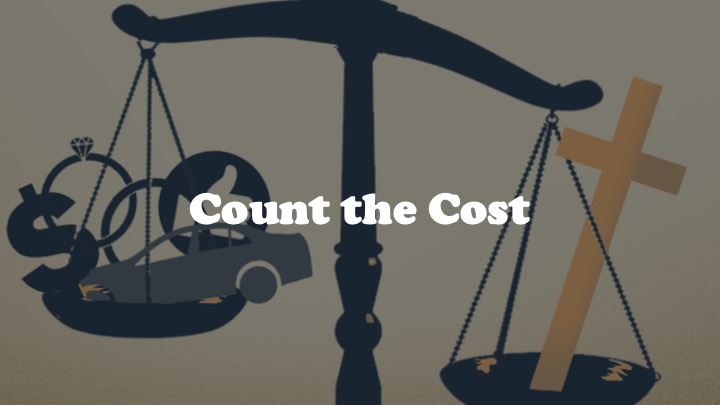
As Jesus journeys toward Jerusalem, He pauses to address the growing crowds with a bold and startling call to discipleship. He speaks of loving...
Joel 2:1, “Blow the trumpet in Zion; sound the alarm on my holy hill. Let all who live in the land tremble, for the...
Today we step back for a moment and consider how the entire New Testament affirms what Jesus says in John 10:10, “I am come...