The tribunal turns to Paul’s beginnings through the testimony of Demetrios, a prosperous merchant who knew him in Tarsus when he was still called Saul. Demetrios describes Tarsus as a cosmopolitan city where Greek, Roman, and Jewish cultures met. Saul grew up comfortably navigating those different worlds. He was Jewish in conviction, Roman by citizenship, and familiar with Greek language, philosophy, and culture.
Varro uses Saul’s upbringing to strengthen the prosecution’s case. Paul cannot claim to be an unsophisticated provincial who failed to understand the political implications of his preaching. From childhood, he understood Roman society and the power of ideas, yet he now travels through the Empire proclaiming a kingdom greater than Rome. Demetrios reinforces the danger by describing Saul as intensely focused, intellectually formidable, and someone who understood exactly what he was doing.
Paul turns the same background toward a different conclusion. Growing up in Tarsus taught him that empires that regard themselves as permanent are not necessarily eternal. Assyrians, Persians, Greeks, and Romans had all ruled the region at different times. Paul argues that knowing Rome does not require believing Rome will last forever. Demetrios’s final description of the young Saul as someone relentlessly interested in whether things were true points the tribunal toward Jerusalem and the teacher who would further sharpen that mind: Gamaliel.
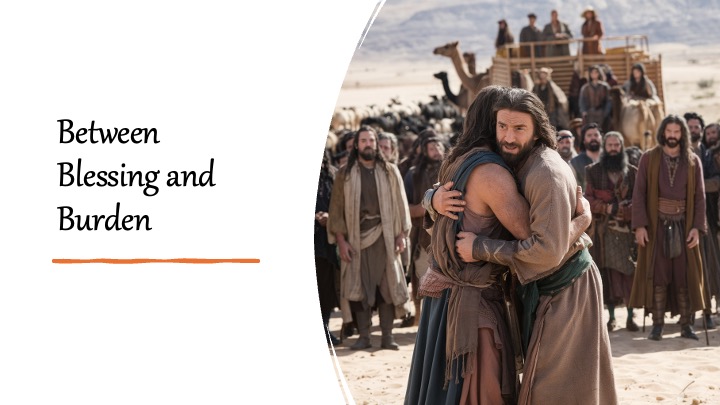
Genesis 33 captures one of the most poignant moments in Jacob’s life: his long-dreaded reunion with Esau. Expecting vengeance, Jacob prepares for confrontation with...
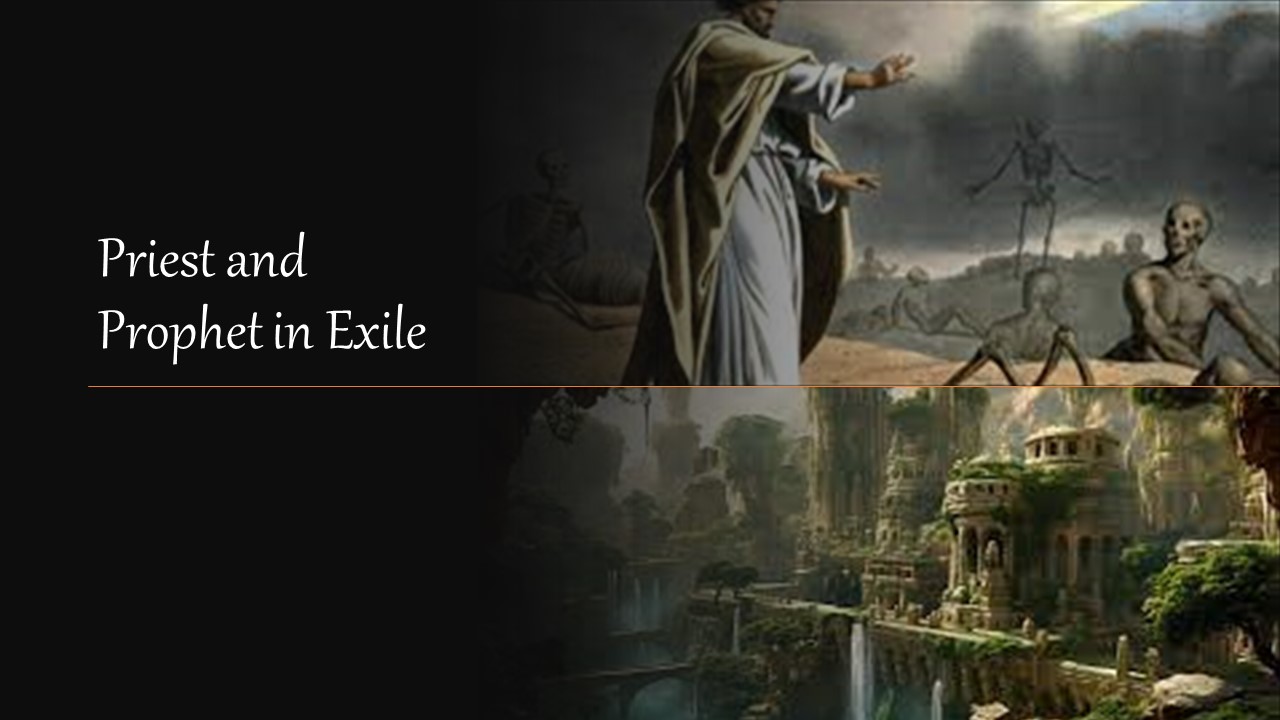
Born under Jerusalem's shadow, Ezekiel's destiny shifted from temple service to exile in Babylon. Amidst despair, he became a prophet, his voice echoing God's...

In Romans 6, Paul addresses a potential misconception about grace, asserting that it doesn't give license to sin. Instead, believers are called to a...