Salome recalls the last time she saw John before his calling carried him beyond the life they had shared. Knowing instinctively that this would be their final meeting face to face, she tells him plainly that she is proud, not primarily of his Gospel or ministry, but of the person he became. She finally understands what Zebedee had done years earlier when he allowed their sons to leave the family fishing business and follow Jesus: parents pour themselves into their children knowing that what they give may ultimately be intended for purposes larger than themselves. When John tells Salome that she too is present in his Gospel, she is content simply to have been one of the women who stood and witnessed.
That memory leads Salome to reflect on the place of women in Jesus' story. They often stood outside the formal structures occupied by the Twelve, following and serving without the titles or prominence given to the apostles. Yet when Jesus was arrested and crucified, the women remained; when His body needed tending, they prepared the spices; and when the first day of the week arrived, they went to the tomb and became the first witnesses to the news of resurrection. Salome refuses to turn this into a claim to status. Instead, she finds dignity in the simple faithfulness of remaining at the edge, keeping her eyes open, and refusing to abandon the people she loved when there was nothing she could do to change what was happening.
In the end, Salome returns from apostles and martyrdoms to something more intimate: she knew James and John first as her children. Before their callings revealed what their fire would become, she loved them without knowing what they would accomplish or who history would remember them to be. She remembers calling them to supper, correcting them, tending them when they were sick, and holding them before the world knew their names. Now James and Zebedee are dead, John is far away, and Salome is old, but she does not regret the terrible cost of loving them and releasing them. Looking back across the boats, roads, cross, empty tomb, martyrdom, and final goodbye, she reaches the simplest conclusion of her story: she would choose to love them, and endure all that loving them required, again.
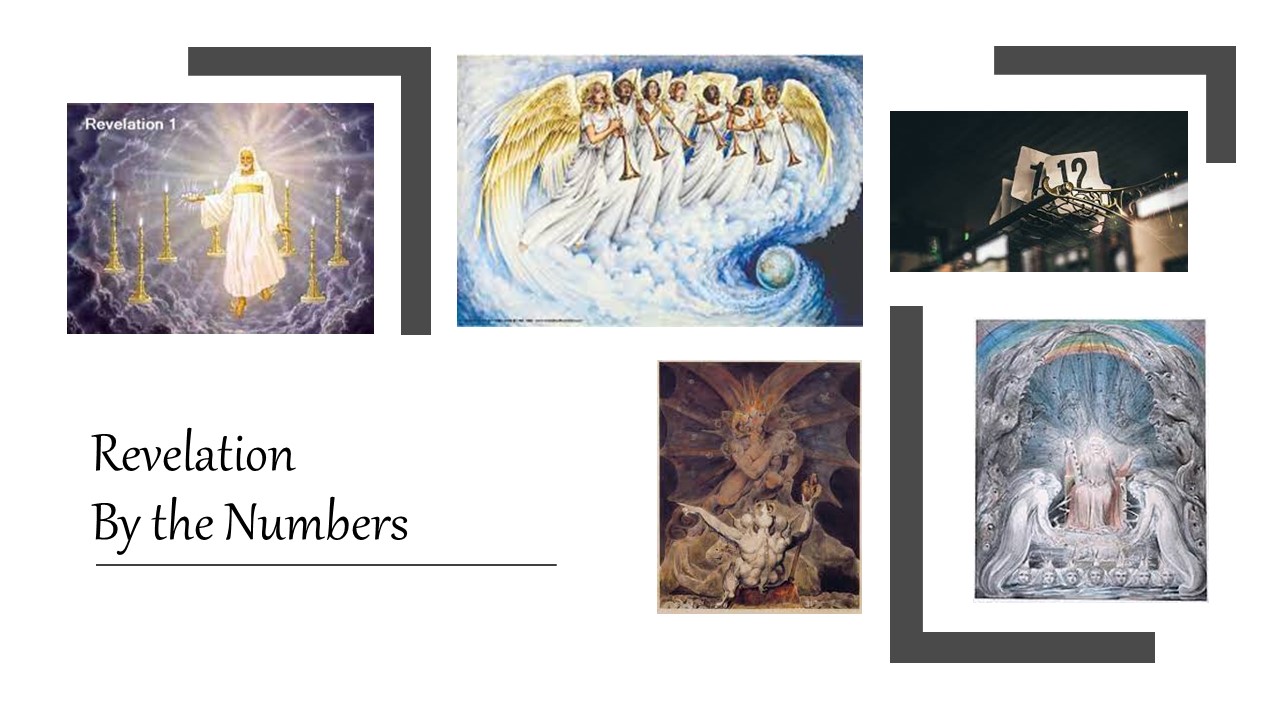
Many of the numbers in the Bible are more than just numbers, with prophetic or spiritual significance. Both in the Old and New Testaments,...

Episode 1217 of the 10:10 Thrive Podcast continues the special musical production “Waymaker,” focusing on the purpose behind Jesus’ miracles. The episode opens with...
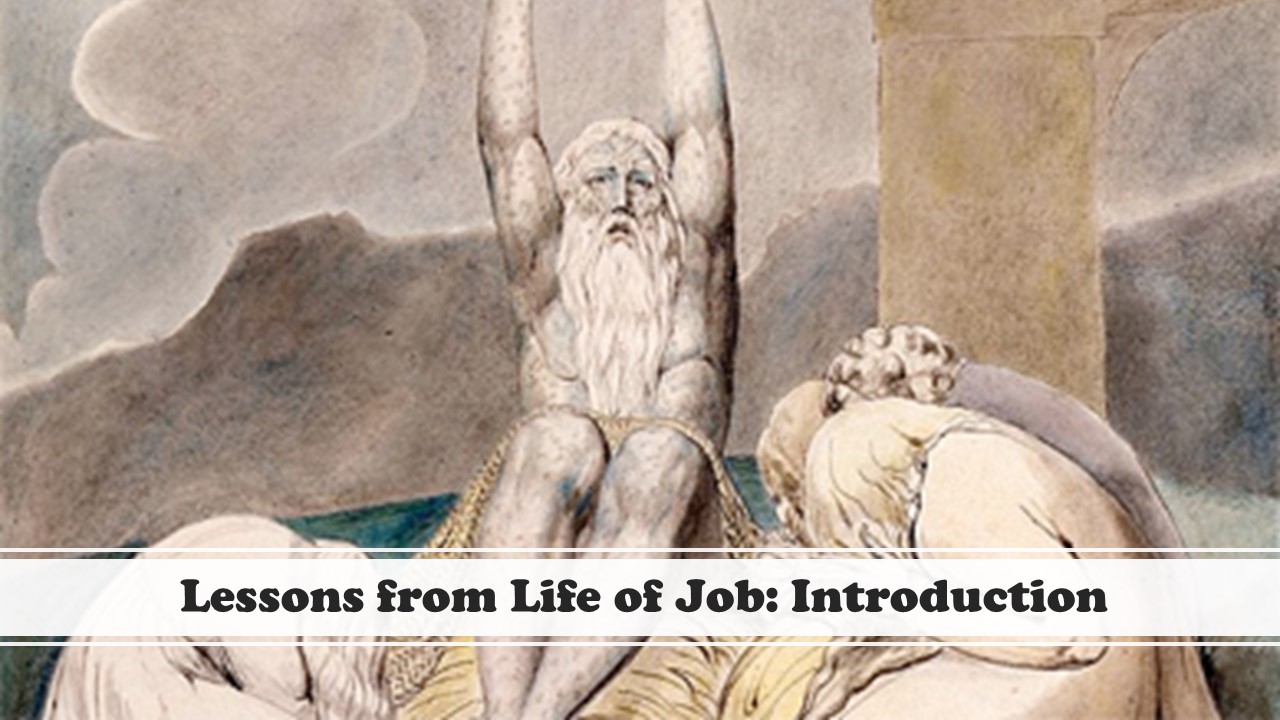
Our study of Jesus, in “Every Book of the Bible,” takes us to the book of Job. Job is one of the most enigmatic...