Andrew recalls a rare moment when he was included with Peter, James, and John in a private conversation with Jesus on the Mount of Olives. After Jesus predicted the destruction of the Temple, the four disciples asked when these things would happen and what signs would accompany them. Jesus responded with an extended teaching about coming upheaval, deception, suffering, and the eventual coming of the Son of Man. Andrew reflects that some questions are too large to be carried alone, and that this moment gave him a different kind of mountain experience from the Transfiguration: not a revelation of glory, but a revelation of what faithfulness would require when everything familiar seemed to collapse.
During the Passion, Andrew remained largely at the edge of events. He was neither in Peter’s courtyard nor at the foot of the cross, and he wrestles honestly with whether that distance reflected temperament, calling, or fear. What he remembers most vividly is the strange uncertainty of the days after Jesus’ death, when everything the disciples thought they understood seemed to lose its shape. Rather than running, Andrew waited and watched, inhabiting the grey space between what had been lost and what had not yet been revealed.
On the third morning, the picture began to change. As reports of the risen Jesus arrived from Mary Magdalene, Peter, the disciples in the locked room, and the travelers on the road to Emmaus, Andrew saw a pattern forming. The resurrection was not first revealed at the center of power but at the margins—to women, ordinary disciples, private gatherings, and people in transit. The news moved from the edges toward the center because those at the edges carried it there. For Andrew, this was profoundly fitting. Throughout Jesus’ ministry, the most important people and possibilities were often found where few others were looking, and the resurrection itself unfolded in exactly the same way.
Right living is essential because Christ “gave Himself for us to redeem us from every lawless deed,” saving us “by the washing of regeneration...
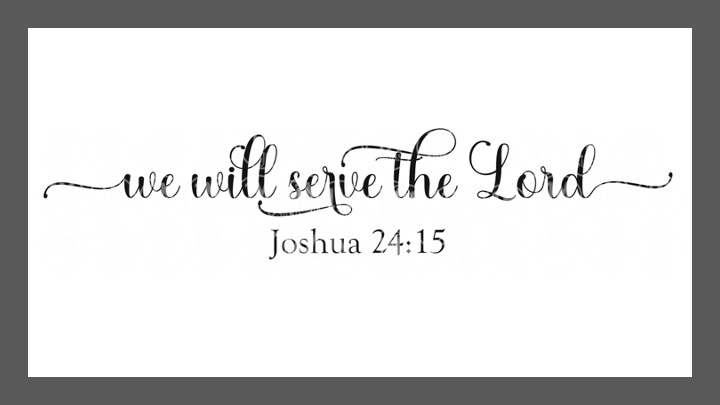
In today’s episode, we share a bonus top ten on finding glimpses of Jesus in the book of Joshua. Various elements and events from...
The importance of labor and rest is emphasized in both the book of Ecclesiastes and Jesus' teachings. Ecclesiastes outlines ten principles centered around life's...