James recalls growing up in Nazareth with Jesus as his older brother in a bustling household filled with work, siblings, and the ordinary rhythms of village life. Although there was nothing outwardly miraculous about Jesus' childhood, James remembers an unmistakable depth to His character. Jesus excelled in Joseph's workshop, not through ambition or self-promotion, but through quiet excellence, patience, and integrity that spoke for themselves. Living beside someone whose goodness never sought attention made an indelible impression on James, even if he could not fully explain it at the time.
As the brothers and sisters grew, James came to appreciate the remarkable consistency of Jesus' character. Jesus remained cheerful without pretense, truthful without cruelty, and patient even when His siblings criticized or misunderstood Him. His refusal to retaliate or answer hurt with hurt exposed the shortcomings of everyone around Him. Looking back, James recognizes that what once seemed merely unusual was in fact the flawless character of the Son of God being lived out in the ordinary circumstances of family life.
One childhood event remained especially vivid in James' memory: the family's frantic search for twelve-year-old Jesus after Passover in Jerusalem. When they finally found Him calmly discussing Scripture with the teachers in the Temple, Jesus' gentle response (“Did you not know that I must be in My Father's house?”) revealed a reality James could not yet grasp. Though Jesus returned home in obedience and life resumed its ordinary course, James sensed for the first time that his brother belonged to a greater purpose than Nazareth alone. That unanswered question would remain with him until, years later, it would finally be answered by the resurrection.
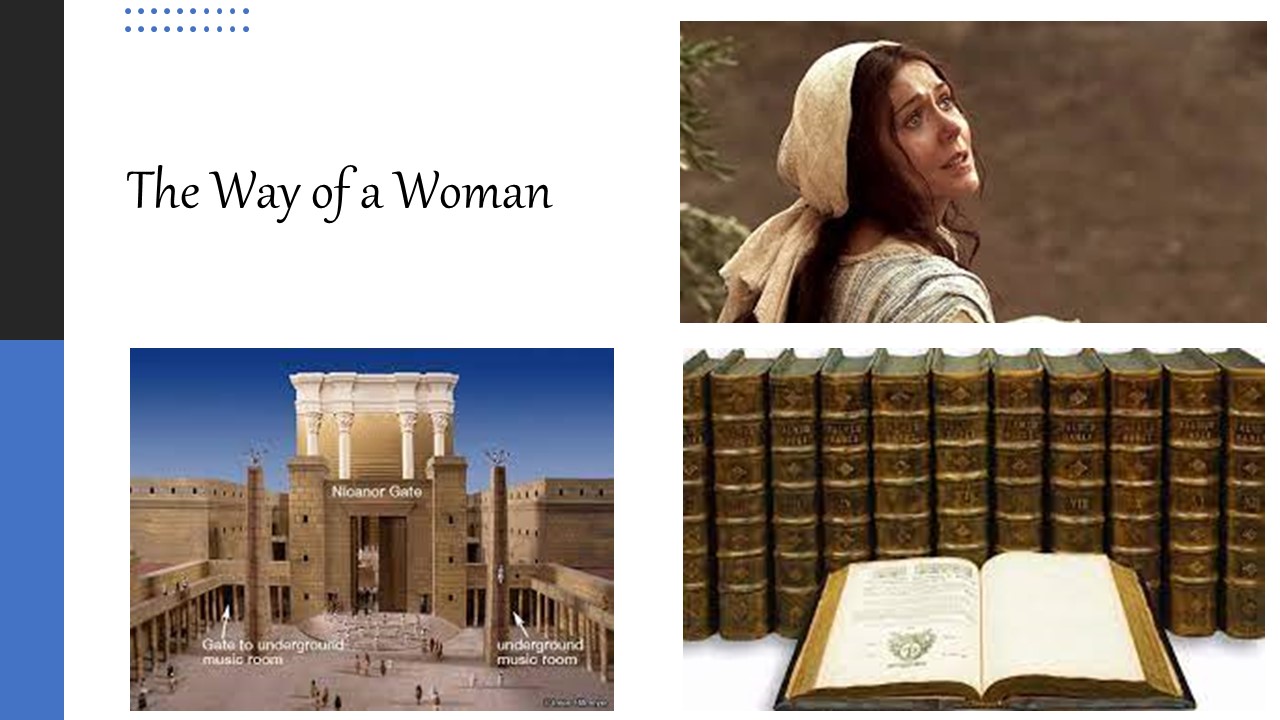
The social condition of women in the first century had been radically altered from that of their ancient sisters. By the time of Jesus,...
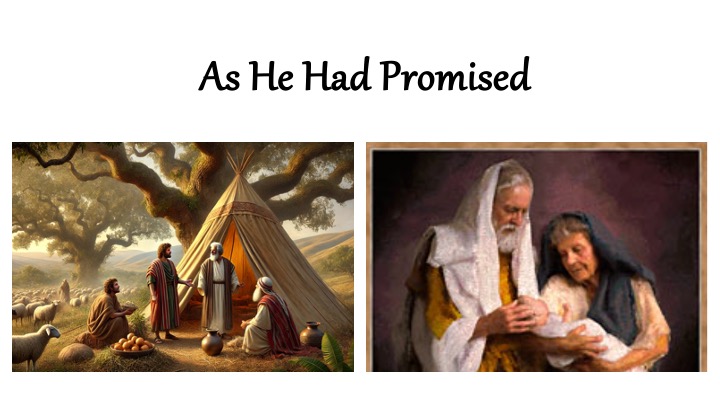
The story of Isaac’s birth in Genesis 21 is a powerful testament to God's faithfulness and perfect timing. Abraham and Sarah waited decades for...
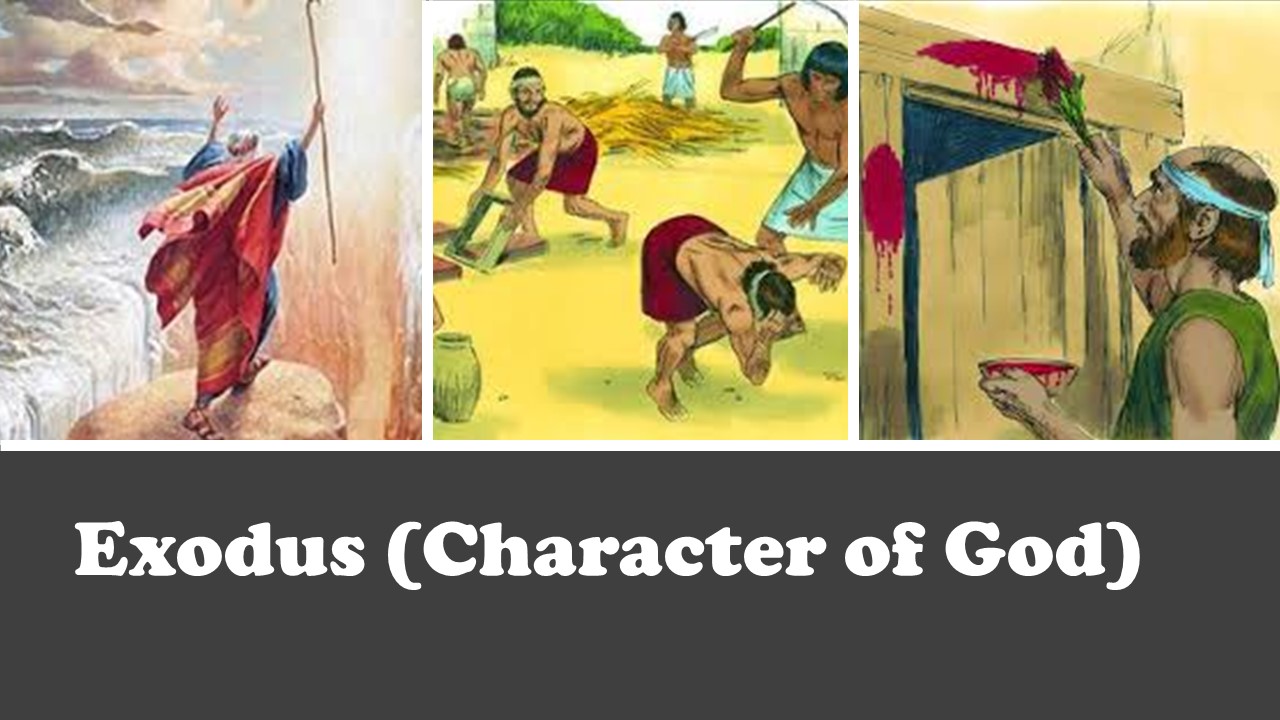
We begin our study of the book of Exodus. This is the book we really dive deeply into the theme of redemption. And as...