The apostle James utilizes the striking metaphor of a small spark setting a great forest ablaze to illustrate the immense, untameable power of the human tongue. This dangerous power is woven throughout history, where false or manipulative speech has repeatedly enabled severe injustice and catastrophic violence. Potiphar's wife derailled Joseph's innocent life with a calculated false accusation; Mark Antony leveraged rhetorical manipulation to ignite a Roman civil war; and Hutu extremist leaders utilized radio broadcasts to dehumanize their neighbors and incite the Rwandan genocide. Whether through historic propaganda or unverified modern social media claims that destroy a person's reputation, false witness operates as a highly destructive weapon.
Conversely, the tongue possesses an equal capacity to build up, heal, and completely alter human trajectories through words of affirmation and reconciliation. Barnabas changed history simply by speaking words of belief that restored John Mark’s missionary calling, while Abraham Lincoln reframed a nation's moral consciousness using only 272 words to elevate human equality. Similarly, Nelson Mandela rejected bitter rhetoric after 27 years in prison, choosing instead to speak words of reconciliation that successfully guided South Africa out of apartheid. On an individual level, a single teacher's timely affirmation can permanently shift a struggling student's self-belief and life direction.
Ultimately, the true weight of human speech lies in Jesus's teaching that the mouth speaks exactly what the heart is full of, meaning that words directly reveal an individual's internal character. Because speech flows from character, it fundamentally shapes communal health; a single toxic person spreading gossip and lies can poison an entire community, whereas a single person committed to encouraging, truthful speech can build deep social trust. While James compares the small tongue to a ship's rudder that steers the entire course of a life, the Ninth Commandment is less about achieving linguistic perfection and more about a dedicated intention to use our creative verbal power to build up rather than destroy.
We have launched a special series on The Acts of the Apostles: taking a close look at those whom Jesus called and trained and...

Enoch stands out in Scripture as a man who walked with God, setting a model of deep communion and worship. While many in his...
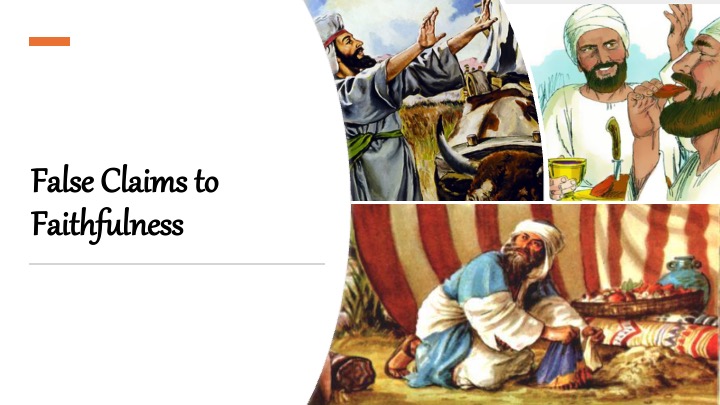
The third commandment is a safeguard against the dangerous tendency to confuse familiarity with faithfulness. Scripture illustrates this through figures like Achan and the...