In the Sermon on the Mount, Jesus introduces a radical standard for human speech by commanding his followers not to swear oaths at all, but to let their "Yes" be yes and their "No," no. Historically, oath-taking in the Old Testament was used to reinforce honesty and guarantee commitments in legal or relational contexts where trust could not be assumed. However, by the time of Jesus, an elaborate system of swearing had become problematic, acting as a loophole to evade accountability and compensate for a lack of personal integrity. Jesus critiques this practice, noting that if certain statements require a sacred vow to be believed, it inherently implies that ordinary, un-sworn speech is unreliable.
Jesus explicitly identifies elaborate oath-making as coming "from the evil one" because it relies on complex, layered validation rather than a fundamental trust in simple truth. He reveals that the true solution to deceptive communication is not a more rigorous ritual, but a transformed heart, since the mouth ultimately speaks what the heart is full of. While worldly speech often relies on the manipulative, complex rhetoric seen in advertising or political hedging, Jesus calls for straightforward communication that flows from a trustworthy character. This standard requires individuals to say exactly what they mean, stand behind their commitments, and accept the full responsibility of their words without exaggeration or distortion.
Practicing this level of radical simplicity offers a profound sense of personal freedom and stability. By speaking the simple truth, an individual is liberated from the cognitive burden of maintaining complex, fabricated stories and calculating how to manage the perceptions of others. Over time, this consistent honesty builds a firm reputation for truthfulness where a person's basic word carries absolute weight and respect. Ultimately, Jesus demonstrates that the true fulfillment of the Ninth Commandment is found when external rituals become entirely unnecessary because the speaker's character is already anchored in blameless, heartfelt honesty.
In Episode 19, Priscilla described meeting Paul in Corinth after she and her husband Aquila had been expelled from Rome under Claudius. Their shared...
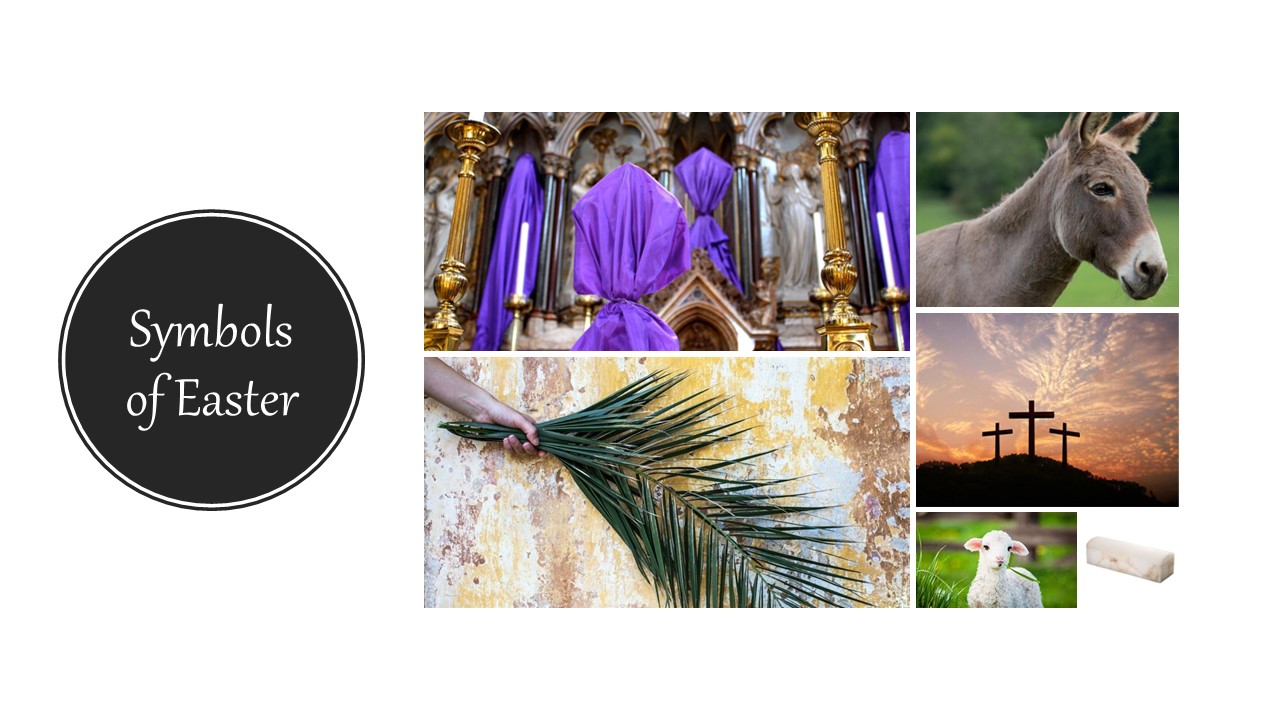
Many of the artifacts from the first Easter have deep spiritual significance. Today, we take a break from our Easter monologues to explore ten...

In his teaching on the Seventh Commandment, Jesus performs a "moral autopsy" on the human heart, moving the focus from external behavior to internal...