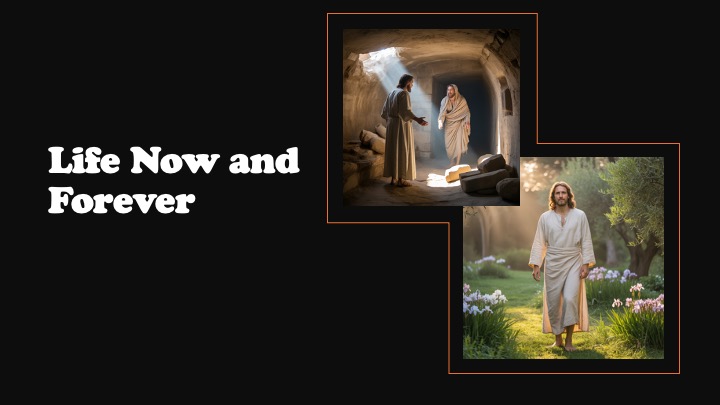
In John 11, Jesus steps into the pain and sorrow of Lazarus’s death with a powerful declaration: “I am the resurrection and the life.” This moment is deeply personal—Martha and Mary are grieving the loss of their brother, and their faith is mingled with heartbreak. Jesus doesn’t offer philosophical comfort or theological argument; He offers Himself. His presence, His identity, and His authority over death shift the focus from what has been lost to who stands before them. This is not a promise for someday—it is a present reality. Jesus isn’t just the one who brings resurrection; He is resurrection. He isn’t just the giver of life; He is life itself.
The raising of Lazarus is both a compassionate miracle and a prophetic sign. It confirms Jesus’ divine power and foreshadows His own resurrection. Jesus weeps at the tomb, showing His deep empathy, but He also calls Lazarus forth, revealing His supremacy over death. He does this knowing that it will accelerate the path to His own crucifixion. In essence, Jesus gives Lazarus life at the cost of His own. Through this act, He shows that belief in Him transforms death from a dead end into a doorway. Those who believe in Him will live, even if they die physically—and that life begins now, not just after the grave.
For us, this truth means everything. We don’t just cling to a future hope—we are invited into a present relationship. Jesus’ claim confronts our fears and lifts our eyes. Whether we are grieving, doubting, or struggling to believe, Jesus meets us with both compassion and power. He is enough. To get deeper with Jesus is to place our trust not in outcomes, but in the One who holds the keys to life and death. His resurrection is not only historical—it is personal. Today, He still calls the dead to life, still invites us to believe, and still offers the hope that transforms every tomb into a testimony.
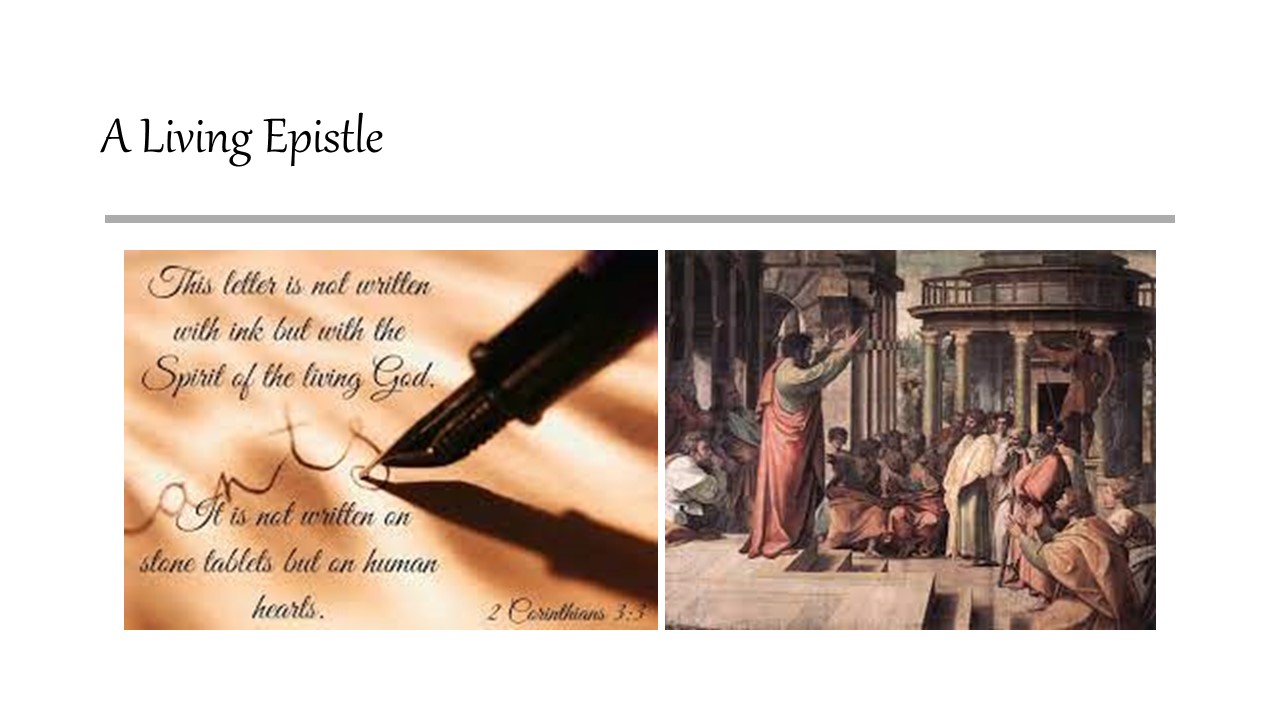
We wrap up the book of 2 Corinthians by exploring the context in which it is written and its importance in understanding the work...
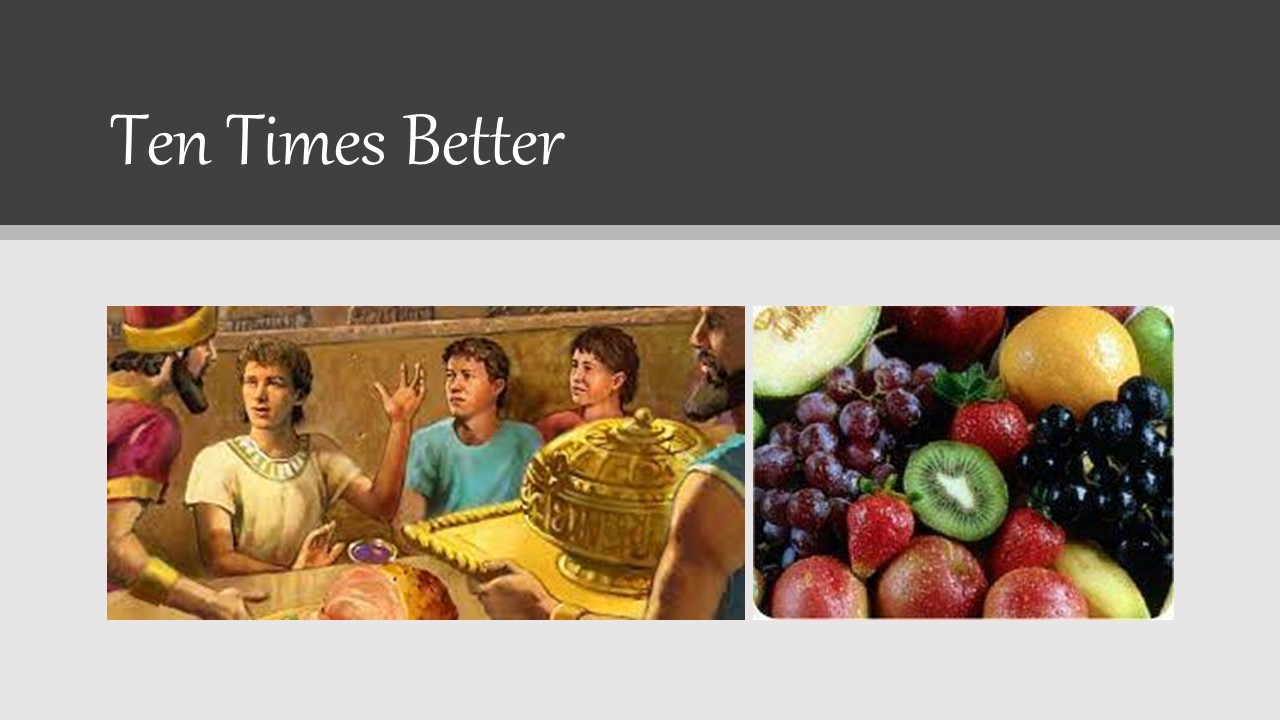
Daniel, one of the celebrated heroes of the Bible is a prophet in Babylon at the time of the overthrow of Judah by the...
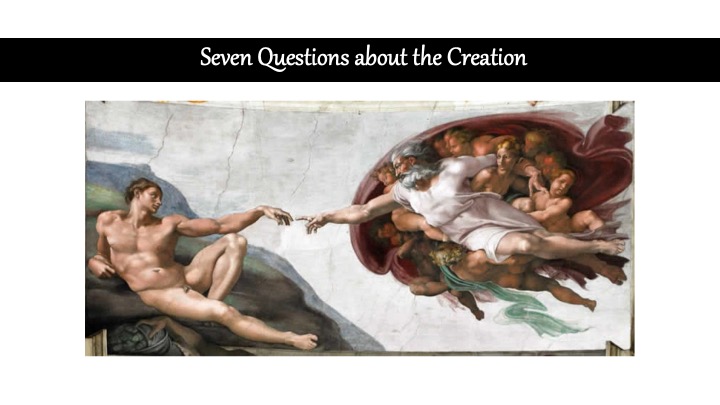
Today’s exploration of creation addressed questions about God's role as Creator, the nature of the creation accounts in Genesis, the existence of the Trinity...