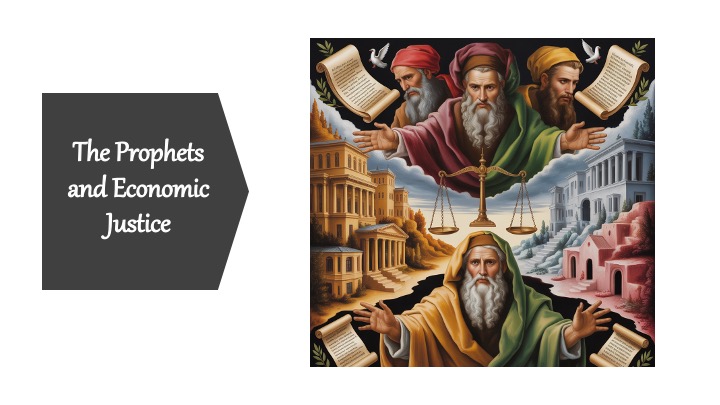
The prophets of Israel, including Amos and Micah, deliver a fierce condemnation of the Eighth Commandment that extends far beyond individual shoplifting to the systemic exploitation of the poor. They describe a society where wealthy merchants "trample the needy" by using dishonest scales and false weights—metaphors for rigged economic systems that appear fair but are structured to extract wealth from the vulnerable. These prophets argue that when the powerful weaponize poverty to seize land or buy the labor of the needy for "a pair of sandals," they are engaging in a form of structural theft that God fundamentally opposes.
This prophetic critique highlights the reality of structural injustice, where dishonesty is woven into the laws and institutions of a culture rather than being limited to a few "bad actors." In modern terms, these "dishonest scales" manifest as predatory lending, hidden contract clauses, or tax and fine systems that disproportionately burden those with the least ability to resist. The prophets insist that God is not a neutral observer; He is a defender of the exploited who views these rigged systems as a rejection of His character and a denial of the dignity of those made in His image.
Ultimately, the Eighth Commandment serves as a divine demand for restorative and economic justice. God requires His people to "act justly and love mercy," advocating for a society where righteousness flows "like a never-ending stream." This vision calls for an active opposition to systems that allow the wealthy to accumulate ill-gotten treasures while workers struggle for basic necessities. By aligning ourselves with this prophetic voice, we move from merely avoiding theft to building communities that ensure everyone can meet their needs and live with the dignity God intended.
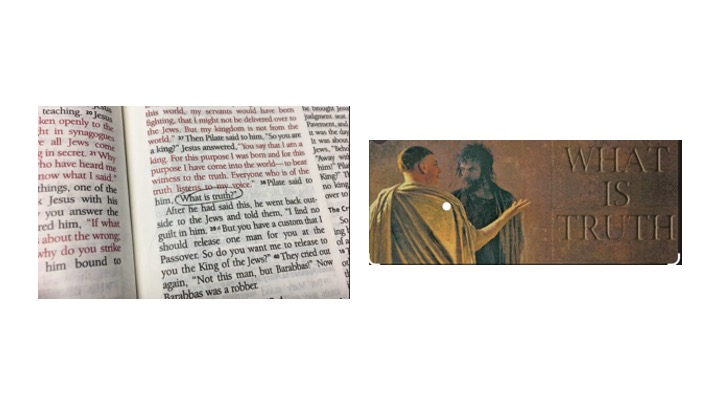
One of the most profound and eternally significant questions in the Bible was posed by an unbeliever. Pontius Pilate—the Roman governor who handed Jesus...

Today we continue our new series on what it will take for 2021 to be a year of spiritual growth with Part 4. We...
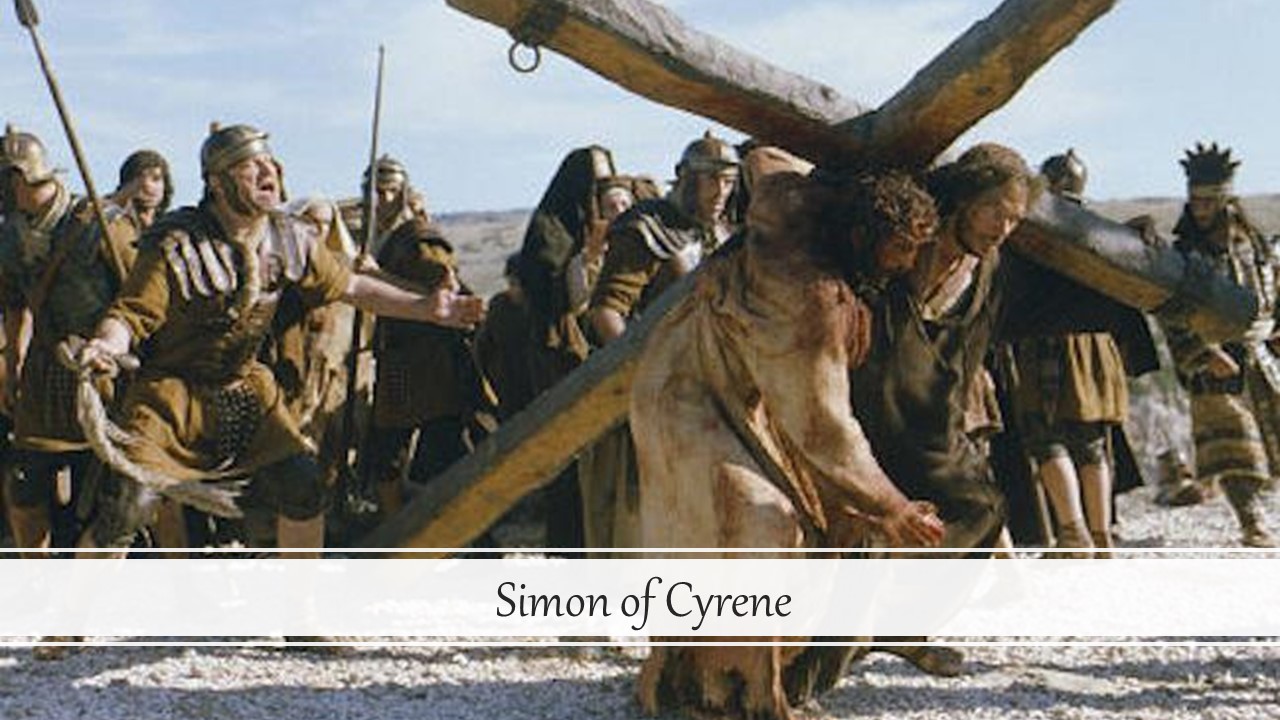
Simon of Cyrene is mentioned in three of the four Gospels as the man impelled by the Roman soldiers to carry Jesus’ cross out...