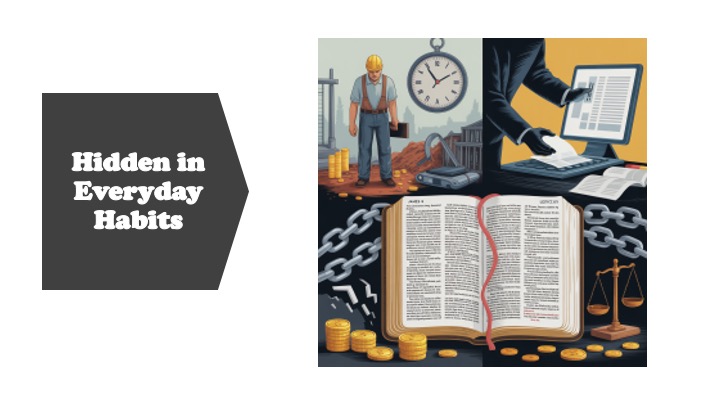
The Eighth Commandment's prohibition of theft extends far beyond dramatic acts of robbery into normalized, subtle behaviors that often go unrecognized. One of the most pervasive forms is wage theft, which includes withholding pay, refusing overtime, or delaying compensation to workers and contractors. As emphasized in James 5 and Leviticus 19, failing to pay a worker what they have earned is a direct violation of God’s order. Because the vulnerable depend on these wages for survival, this systemic exploitation causes profound harm while eroding the foundational trust between employers and employees.
Subtle theft also manifests through the exploitation of systems and the wasting of entrusted resources. This includes fraudulent use of government benefits, padding expense reports, or using company time for personal business. These acts are often rationalized as "victimless" because they target an organization rather than an individual; however, they deplete resources meant for the common good and foster a culture of cynicism. Integrity in work, as called for by the apostle Paul, requires wholehearted service and the responsible stewardship of the time and tools an employer has paid for.
Finally, intellectual and reputational theft, such as plagiarism or taking credit for a colleague's work, represents a particularly damaging violation of the Eighth Commandment. By stealing the recognition and ideas of another, the thief strips the actual creator of their dignity and opportunity. When these subtle forms of theft become normalized within a culture, they cause deep spiritual damage, leading individuals to lose their sense of integrity. Upholding the commandment requires a rigorous examination of these daily habits, demanding repentance and restitution to restore the communal trust that theft inevitably fractures.
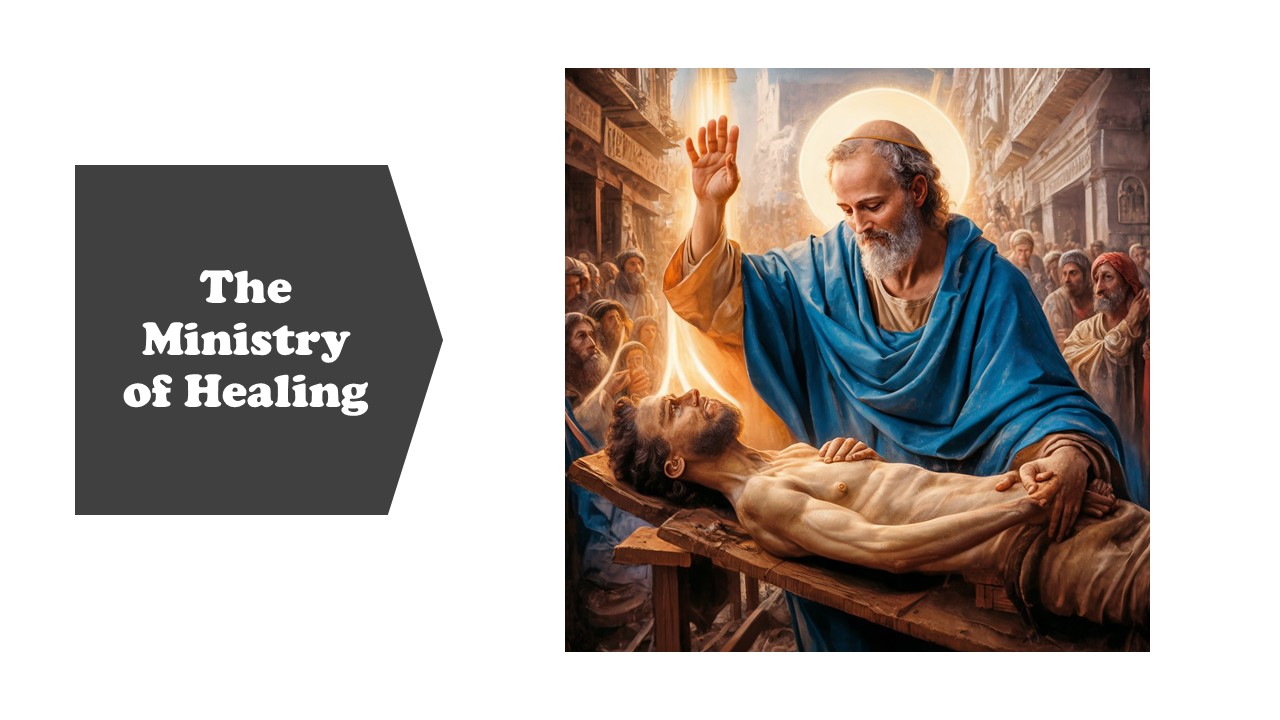
Today’s episode focuses on miraculous events in Lydda and Joppa, showcasing the power of faith and the compassion of God. As news of these...
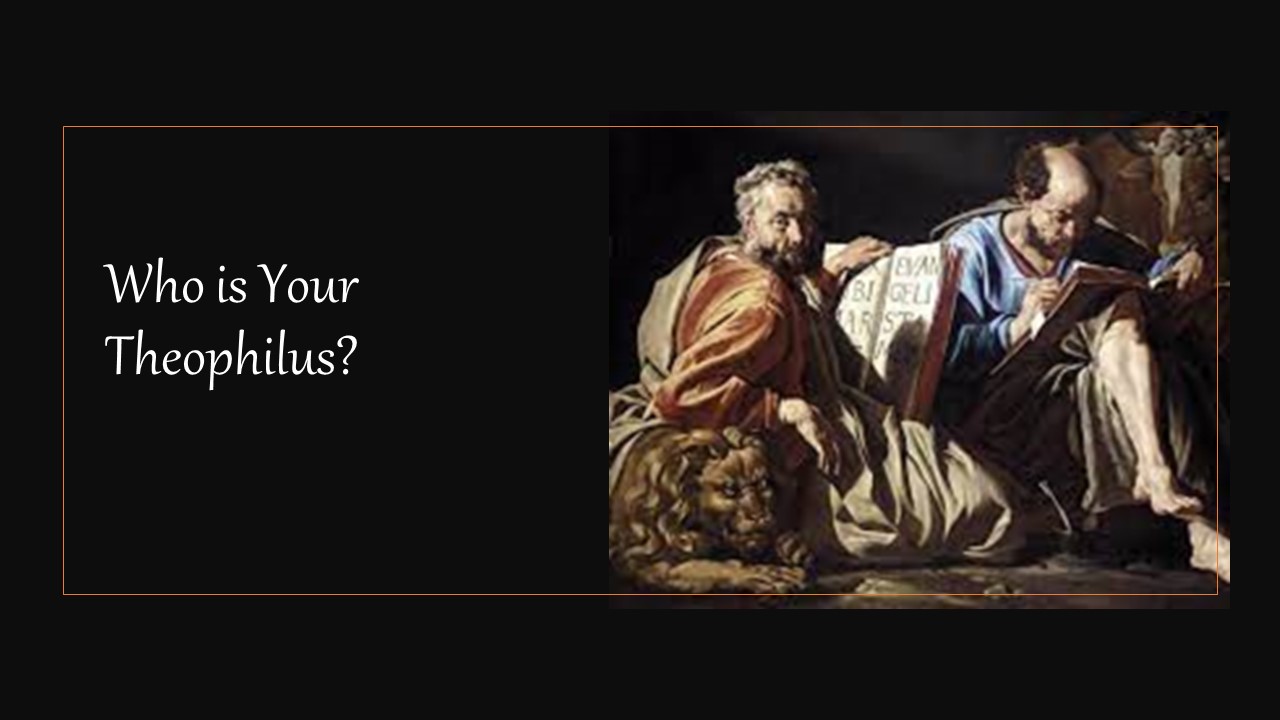
Who is Theophilus? This is unclear in the Scriptures. However, he is the person to whom the Gospel of Luke and the Acts of...
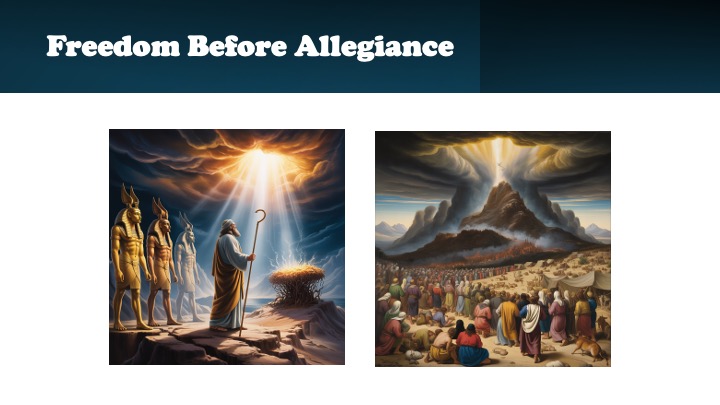
The first commandment, "You shall have no other gods before Me," is not a divine threat or a demand for ranking; it is a...