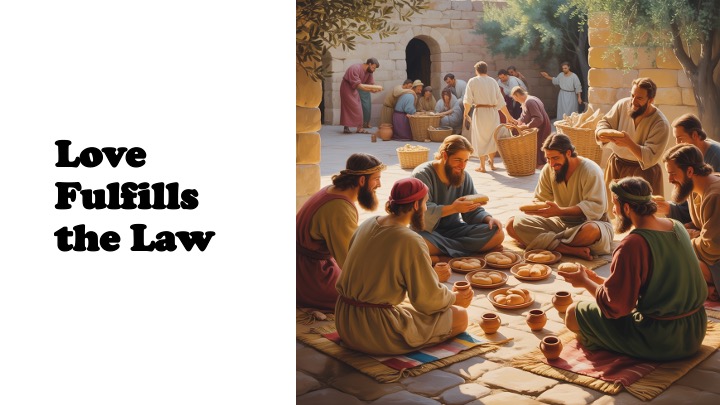
The apostle Paul argues in Romans 13 that love is the absolute fulfillment of the law, suggesting that the specific prohibitions against murder, adultery, and theft are all secondary to the singular command to "love your neighbor as yourself." While the law exists as a necessary external constraint for those lacking internal moral compasses, Paul views it as the fruit of a much deeper root: a desire for the other person’s flourish. If a person truly loves their neighbor, they will naturally protect that neighbor's life and property, making legal prohibitions effectively superfluous because the heart has already moved beyond the capacity to do harm.
The early church embodied this principle by organizing itself into a "covenant community" where love was a daily, concrete practice rather than an abstract feeling. As recorded in Acts, believers shared possessions, met daily, and provided for every need, creating a social fabric where violence became unthinkable. By making the "other" a deeply known and valued participant in a shared life, the community moved from a culture of rule-following to one of internal transformation. In such a setting, the Sixth Commandment is not an imposed restriction but a natural expression of a people who view their neighbor's life as precious as their own.
This emphasis on love does not negate the necessity of justice; rather, it reframes the purpose of punishment from hollow retribution to restorative protection. Paul acknowledges that the state bears "the sword" to protect the innocent, yet the ultimate goal of a Christ-centered community is to foster relationships that make the sword unnecessary. By prioritizing internal transformation over external obedience, the church aims to reflect the Kingdom of God—a society where life is guarded not by the fear of judgment, but by the relentless, sacrificial bond of mutual care.
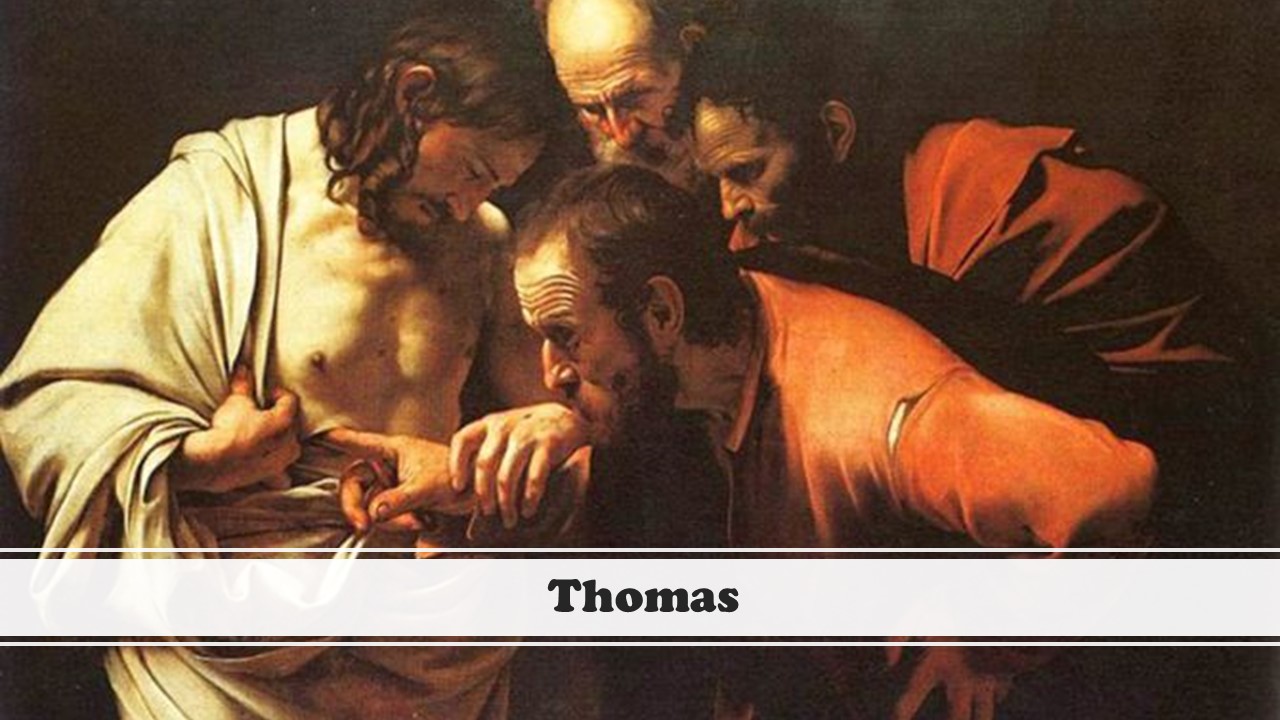
Thomas was one of the twelve apostles of Jesus Christ. In the Bible, Thomas was also called Didymus (John 11:16; 20:24), which is the...
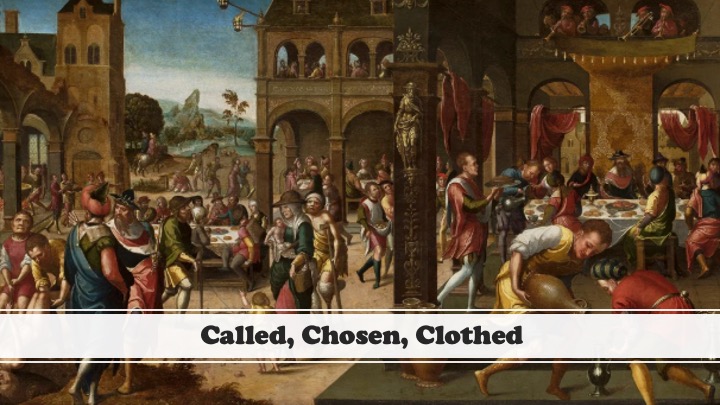
The Parable of the Wedding Feast (Matthew 22:1-14) is a profound allegory that outlines the history of salvation, revealing God's persistent invitation, the tragedy...
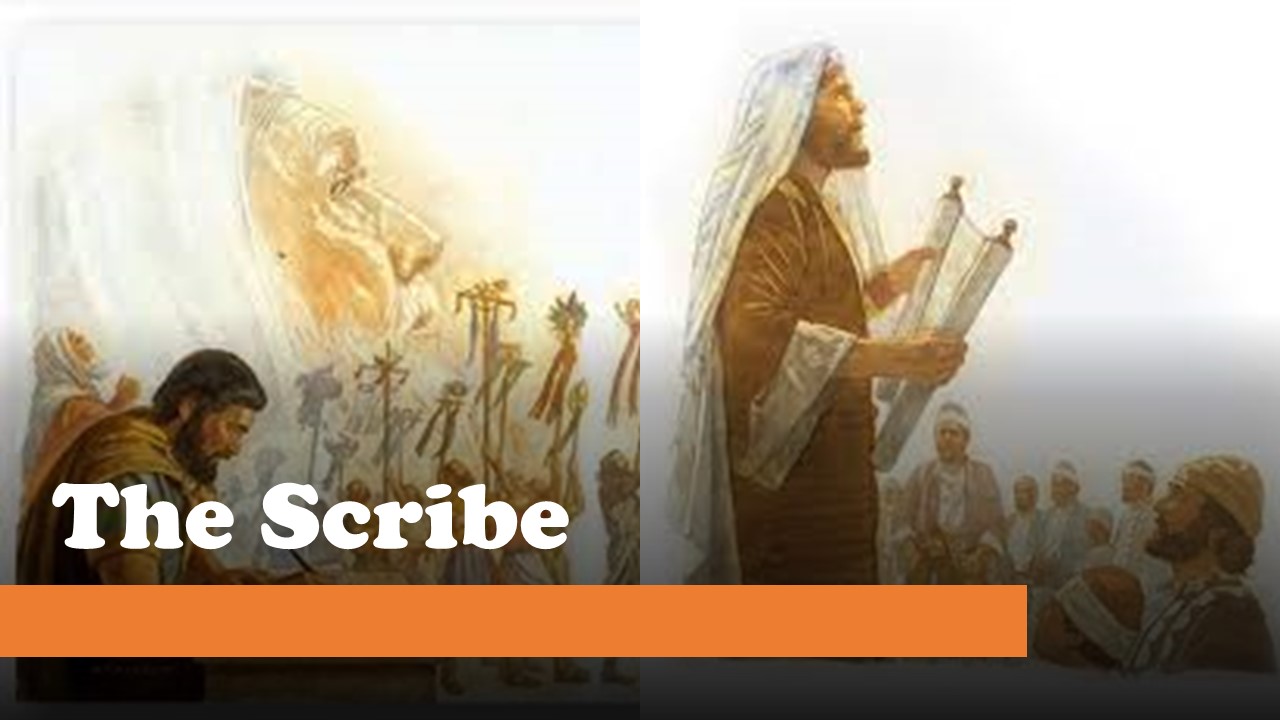
Ezra was a scribe who lived in the Second Temple period. He was a descendant of the priestly tribe of Levi, and he was...