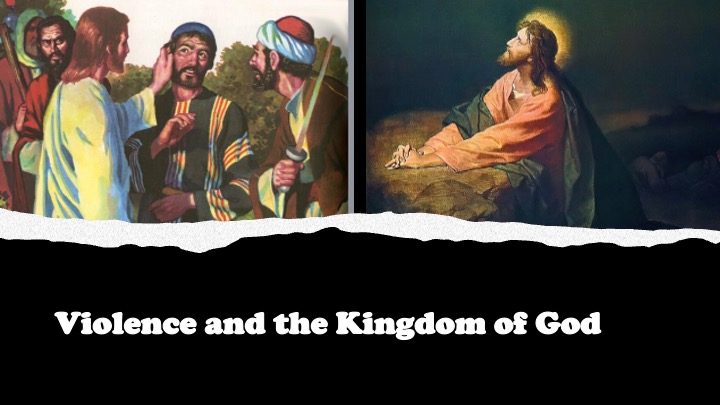
In the Garden of Gethsemane, Jesus fundamentally redefines the nature of power by rebuking Peter’s attempt to defend him with a sword, declaring that "all who draw the sword will die by the sword." While the Old Testament's lex talionis ("eye for an eye") was originally designed to limit escalating feuds by mandating strictly proportional responses, Jesus moves beyond mere limitation to a total prohibition of retaliation. By refusing to call upon "twelve legions of angels," he demonstrates that the strength of the Kingdom of God lies not in the capacity to inflict suffering, but in the divine resolve to absorb it, breaking the cycle of violence through sacrificial restraint.
This "kingdom logic" is rooted in a radical trust in God’s ultimate justice rather than human vengeance. As Paul echoes in Romans, believers are called to "leave room for God’s wrath," acknowledging that true vindication belongs to the Creator alone. When a person refuses to strike back, they are not displaying weakness; they are asserting their independence from the perpetrator's logic and witnessing to a reality where forgiveness is more potent than force. This ethic suggests that when we retaliate, we become mirrors of the evil we oppose, whereas non-retaliation creates a space where the cycle of harm can finally end.
The resurrection serves as the ultimate validation of this non-violent path, proving that what the world perceives as the defeat of a submissive victim is, in God’s economy, the victory of a conqueror. Following Jesus therefore requires an "innocence of doves" that accepts the potential cost of being "sheep among wolves," prioritizing witness and prayer over the tools of war or capital punishment. By choosing to love enemies and release the need for revenge, the Christian community embodies a countercultural peace that declares Jesus—not violence—is the true Lord of history.
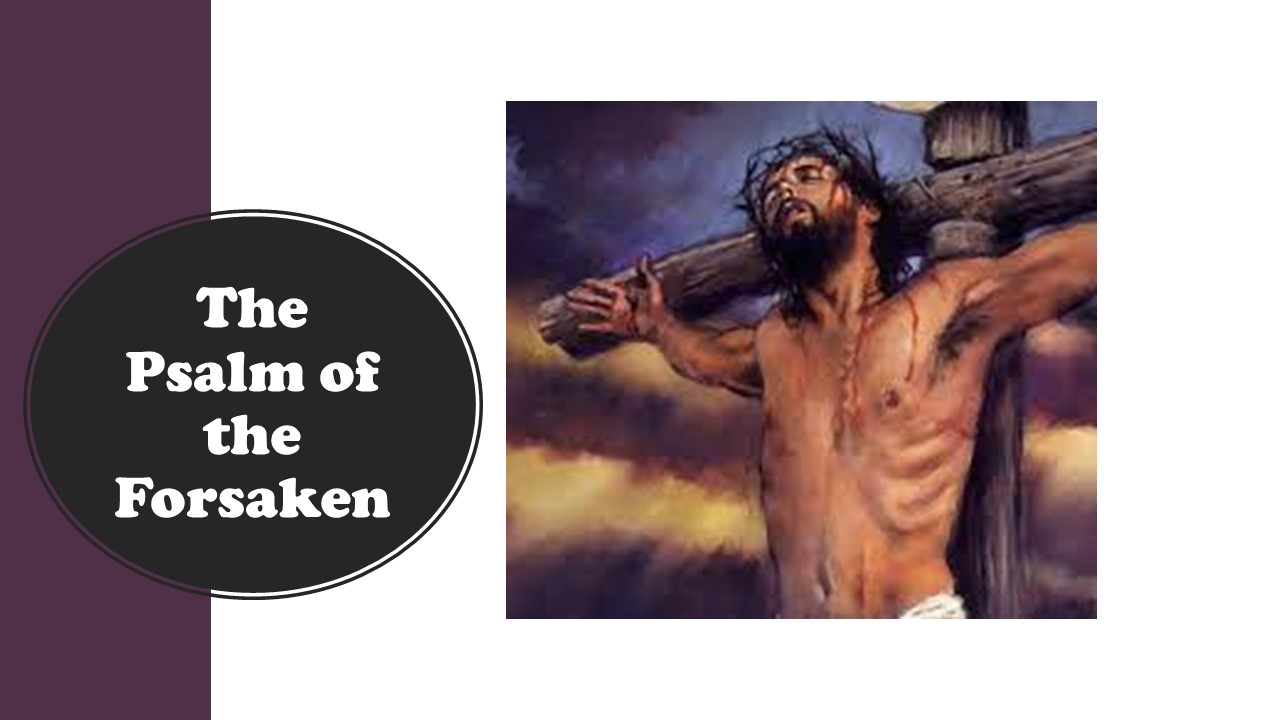
Psalm 22 is among the most poignant and prophetic of all the psalms, providing an intimate look into the anguish and ultimate hope of...

The Sabbath, established during Creation, is a cornerstone of God’s design for humanity, offering rest, renewal, and a deep connection with the Creator. As...
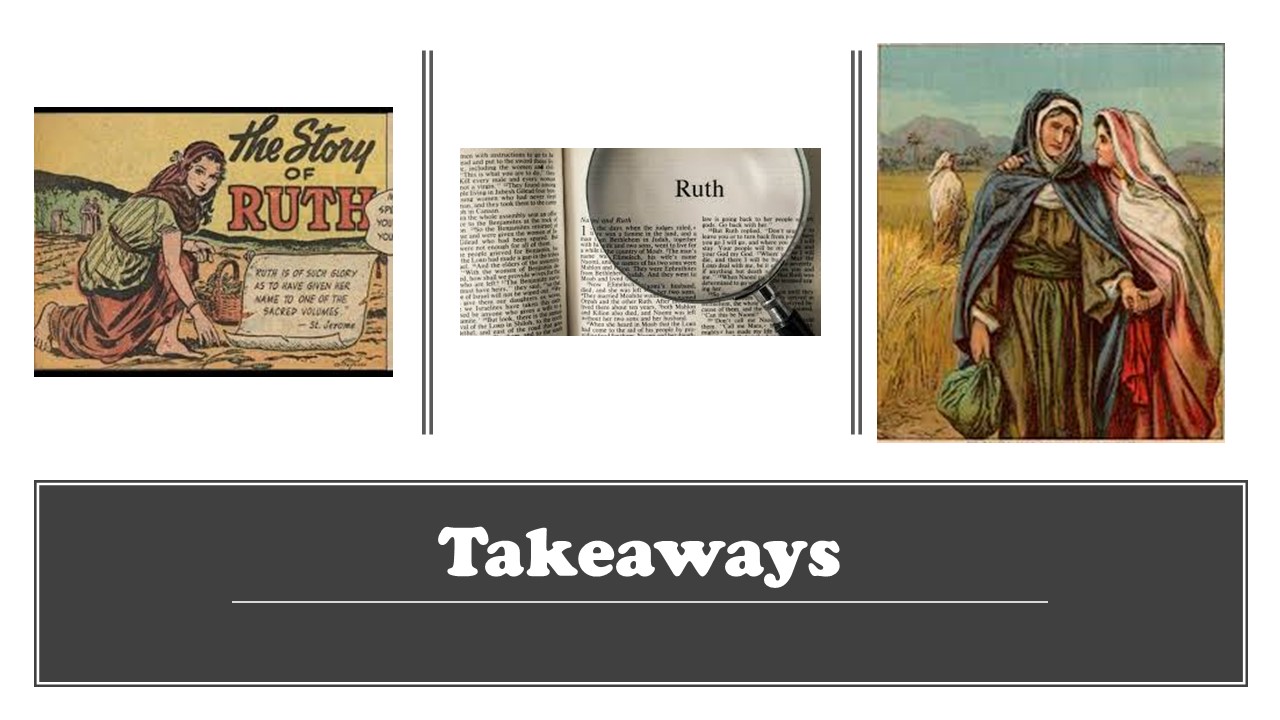
We wrap up our exploration of the book of Ruth by identifying some important themes, posing some questions for study and reflection, sharing some...