We live in an age of fractured trust, where institutions—from banks and governments to the media and corporations—have squandered their reputations through deception and exploitation. The Eighth Commandment, "You shall not steal," applies here in a profound way: theft is not just about physical property; it is the theft of trust itself. When promises are broken and corruption becomes normalized, the social fabric is unraveled, making community life nearly impossible. Rebuilding this foundation requires a radical commitment to integrity, which Solomon identifies in Proverbs as more valuable than silver or gold.
Integrity serves as a countercultural witness in a distrustful world. Jesus teaches that this "light" is built primarily through faithfulness in small things—keeping your word regarding arrival times, returning borrowed items promptly, and fulfilling minor responsibilities without cutting corners. This slow, patient work of being reliable creates a reputation that stands out in a culture of broken promises. While integrity often demands the sacrifice of quick gains or the convenience of dishonesty, it rewards the individual with internal peace and a "good name" that eventually draws others toward a different way of living.
Ultimately, the restoration of institutions and communities begins with individuals and leaders who prioritize being "proven faithful" over personal advantage. The church and other organizations have a unique calling to rebuild their reputations by becoming places where the vulnerable are protected and finances are handled with transparent honesty. By treating trust as a sacred resource that must not be stolen, we create the conditions for genuine human flourishing. These small, consistent choices to be trustworthy are the only way to slowly repair the landscape of broken trust and light the way toward a more stable society.

The love described by the Greek word storge is best understood as family love. It's the bond that naturally forms between parents and their...
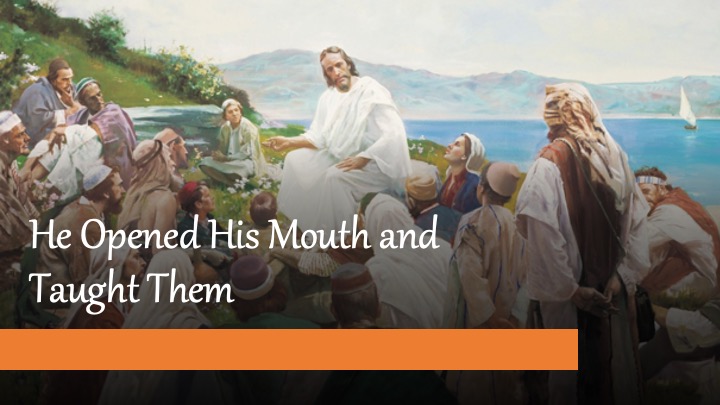
The Sermon on the Mount, recorded in the Gospel of Matthew, includes some of the most well-known teachings of Christ. Jesus didn’t come to...

In Episode 16, the court heard from the Philippian jailer who had placed Paul and Silas in the inner prison after their beating. During...