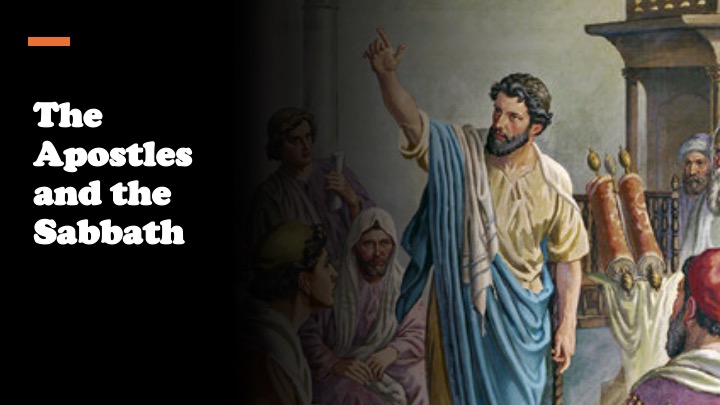
The transition from the Old Testament to the early Church did not result in the abandonment of the seventh-day Sabbath, as is often misconstrued. The book of Acts and the epistles of Paul reveal a consistent pattern of Sabbath observance, where the apostles gathered in synagogues and places of prayer according to their established “custom.” Historical context shows that many “Lord's Day” or “first day” gatherings were additions to the week's rhythm, not a cancellation of the Fourth Commandment.
Crucially, modern readers often overlook the distinction between the weekly Sabbath and the ceremonial “sabbaths” associated with Jewish festivals. Paul’s writings in Colossians and Romans, which are often cited to suggest the Sabbath is no longer binding, more likely refer to these temporary ceremonial shadows—linked to specific dates and sacrificial systems—rather than the universal, cyclical rest established at Creation. The weekly Sabbath was designed for all humanity before the existence of the Levitical law, serving as a permanent memorial of God’s work and our status as liberated children rather than enslaved producers.
Recovering this distinction liberates the believer from the confusion of legalism versus license. The apostles viewed the Sabbath not as a burden to be discarded, but as a vital practice for maintaining spiritual and physical health. By understanding the Sabbath is a “design feature” of reality rather than a ceremonial relic, we can embrace the rhythm of work and rest with a clear conscience. This alignment with God’s established time allows us to flourish, ensuring our identity remains rooted in God's finished work rather than our own endless productivity.

In recognition of the Thanksgiving holiday in the United States, we explore the importance of living lives of gratitude, even in the midst of...
Music has a unique ability to help us process and respond to the impact of sin in our lives. From David’s heartfelt cries in...
In Episode 19, Priscilla described meeting Paul in Corinth after she and her husband Aquila had been expelled from Rome under Claudius. Their shared...