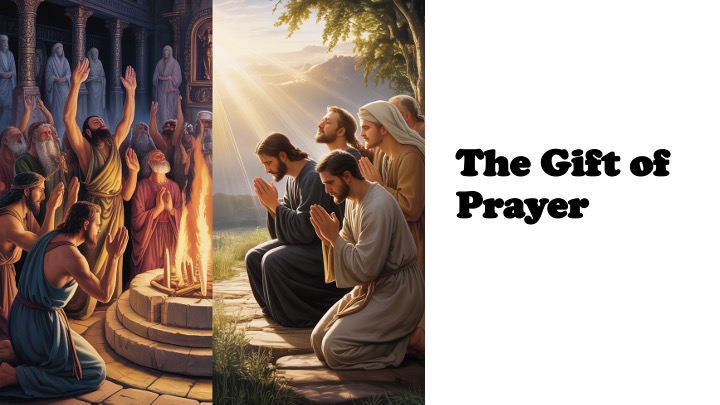
The third commandment, "You shall not take the name of the Lord your God in vain," is less a rule about vocabulary and more a mandate about the identity we carry. The Hebrew verb nasa means to "bear" or "lift up," suggesting that God’s name is not just spoken, but borne by His people like a banner or a heavy responsibility. Just as creation unfolded through God's generative speech in Genesis, our words and lives are meant to be generative of truth. To take His name in vain is to carry it in a "hollow" way—to claim His name while our lives and prayers contradict His character of justice and mercy.
This guideline specifically rivolts against "pagan prayer logic," where knowing a deity’s name was viewed as a tool for manipulation or a "spell" to guarantee outcomes. In ancient Mesopotamian or Greco-Roman systems, prayer was an instrumental technique—a way to appease capricious gods through precise formulas and rituals. The third commandment shatters this transactional framework, insisting that God’s name is not a mechanism for control or leverage. Instead, biblical prayer is an act of alignment with reality. It assumes a God who is already attentive and faithful, shifting the focus from "saying the right words" to "being the right person" before a truthful Creator.
Ultimately, this commandment protects human flourishing by removing the exhausting burden of religious performance. When prayer is reduced to a technique, it produces anxiety; one must always fear misspeaking or failing a ritual. By forbidding the use of His name as a religious shield for injustice or a tool for control, God frees us from the need to manage the divine. This prophetic critique reminds us that prayer is meant to be a place of rest and transformation rather than a religious technology. We flourish when our prayers are honest and our lives are coherent, ensuring that we do not empty God’s name of meaning through a lack of integrity.

We begin this episode with a first person monologue from Eve, just after being cast out of Eden with Adam. Despite her shame and...
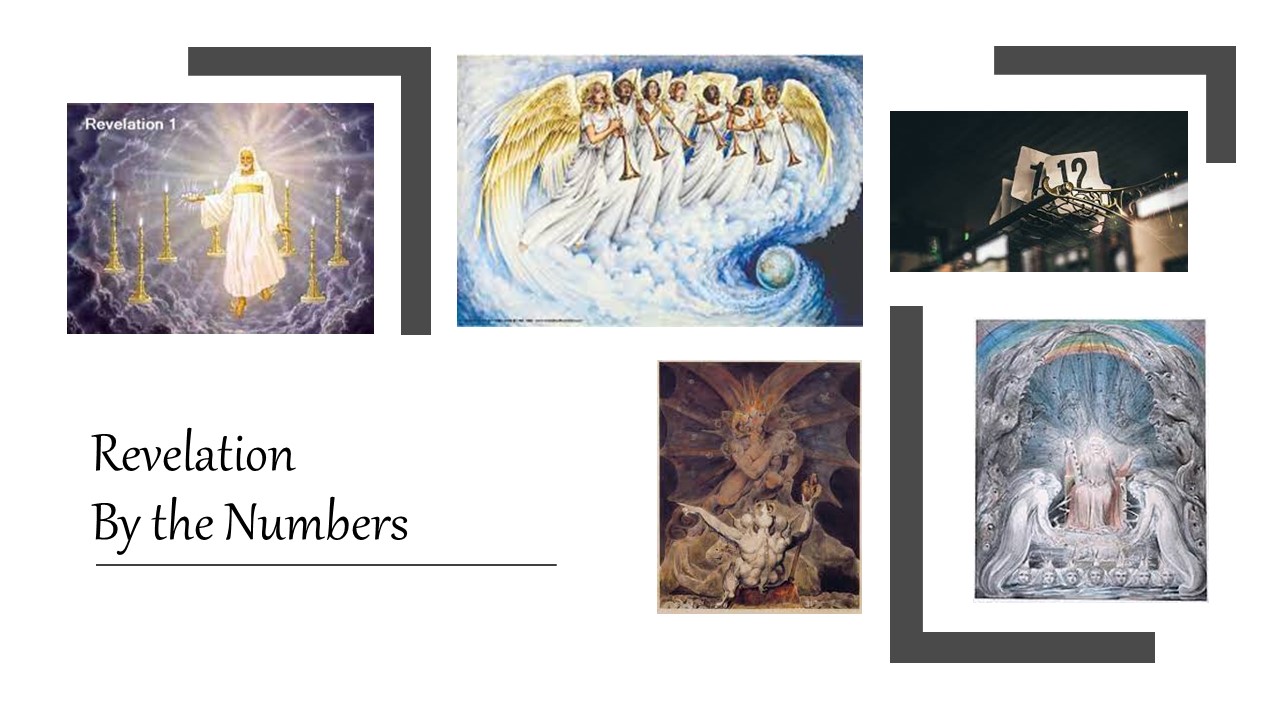
Many of the numbers in the Bible are more than just numbers, with prophetic or spiritual significance. Both in the Old and New Testaments,...
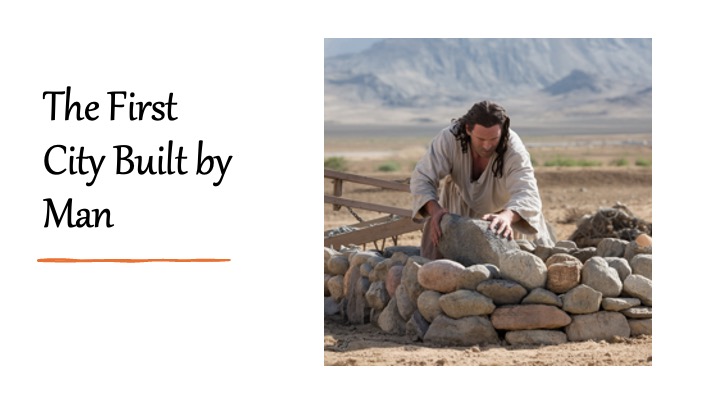
Cain's construction of the first city, Enoch, represents a pivotal moment in human history, marking the beginning of urban life and organized society. This...