The third commandment, "You shall not take the name of the Lord your God in vain," is often reduced to a prohibition against profanity, but its true meaning is far more profound. The Hebrew word nasa, often translated as "take," actually means to "carry" or "bear." This suggests that the commandment is not merely about the words we speak, but about the identity we carry. To bear God's name is to act as His representative in the world; it implies that God’s reputation is inextricably bound to our behavior. When we claim to belong to Him, our lives become the primary evidence people use to judge His character, making this a mandate about the weight of representation rather than a simple rule of vocabulary.
Taking God's name "in vain" occurs when there is a fracture between our religious claims and our actual conduct. It is the act of invoking God to justify personal interests, or claiming His authority while acting in direct opposition to His character of justice, mercy, and truth. This lack of integrity leads to a spiritual and psychological malaise; living a fragmented life where words and actions do not align creates cognitive dissonance and exhaustion. Conversely, human flourishing is found in coherence. When our lives authentically reflect the values we profess, we experience a deep, integrated peace, and God’s name becomes credible to those observing us.
Ultimately, the third commandment is a high calling to truthful witness. It invites us to move beyond superficial religious performance and into a life of genuine alignment with the Divine. By asking ourselves what others learn about God through our choices—particularly in how we treat the vulnerable or handle conflict—we can identify the gaps where we misrepresent His heart. The goal is not to achieve a state of flawlessness, but to move toward a state of authenticity where our integrity becomes a window into God’s nature. In honoring the name we bear, we do not diminish ourselves; rather, we find the freedom and power that only come from living a life of truth.

The story of Cain and Abel, set against the backdrop of humanity’s exile from Eden, vividly portrays the devastating effects of sin and the...
Today we explore what the Gospel of John has to say about the guidelines for abundant living. In John 4:23-24, Jesus says that the...
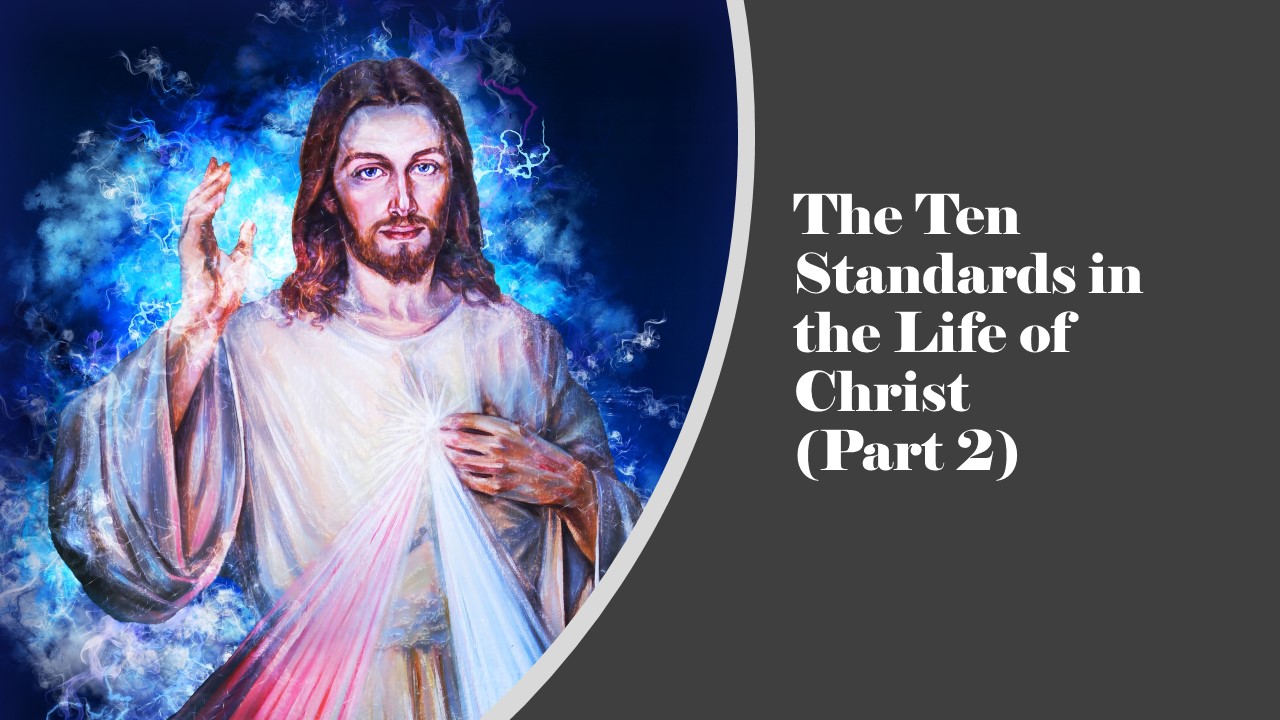
Jesus said that He did not come to destroy (or abolish) the law, but to fulfill it. In this episode, we consider how He...