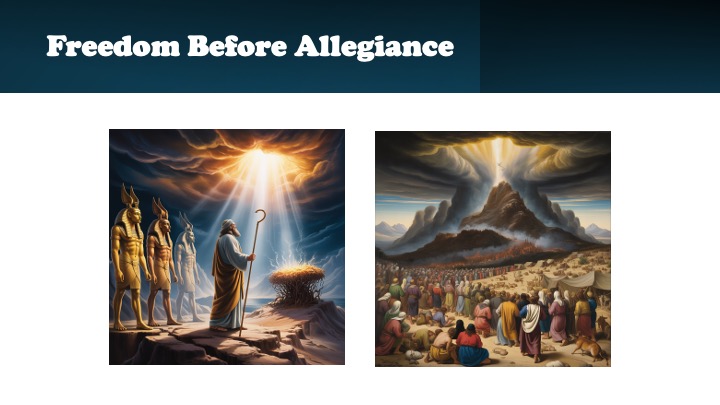
The first commandment, "You shall have no other gods before Me," is not a divine threat or a demand for ranking; it is a declaration of protection. Standing at the base of Sinai, the Israelites were survivors of a system where productivity defined worth and many gods demanded endless sacrifice. God’s opening words—reminding them that He is the one who brought them out of slavery—establish that liberation comes before allegiance. This command is God’s way of saying, "I rescued you; do not return to what enslaved you." He is not asking to be first on a priority list of many gods; He is asking for exclusivity because divided allegiance fractures the soul.
Everyone worships something, and every "god" eventually demands a sacrifice of time, peace, or integrity. False gods like success, approval, or control promise security but ultimately crack under the weight of our expectations, leaving us exhausted and anxious. The first commandment is a liberating question: "Who has the final word in your life?" God does not expose our false gods to shame us, but to rescue us from entrusting our lives to things that cannot love us back. He is the only authority who liberates before commanding and rests His authority on love rather than fear, making this the foundation for all the wisdom that follows.
Ultimately, this command addresses the human heart—the center of our desires, loyalties, and identity. Because the Israelites had "muscle memory" of bondage, their hearts were prone to looking back toward the familiarity of Egypt. God uses this commandment to re-form what the heart trusts, knowing that hearts shaped by false gods will eventually recreate their own bondage. By anchoring the heart to God, our other loves—work, family, and success—can take their proper place as gifts to be enjoyed rather than saviors to be worshipped. God is not after a perfect performance; He is after a whole heart, for the heart is where true freedom begins.

The main theme of the book of 1 Thessalonians is Jesus’ second coming. When he returns, the dead who have believed in Christ will...

A common form of spiritual dishonesty is not the outright rejection of God, but the selective editing of His character to fit our personal...
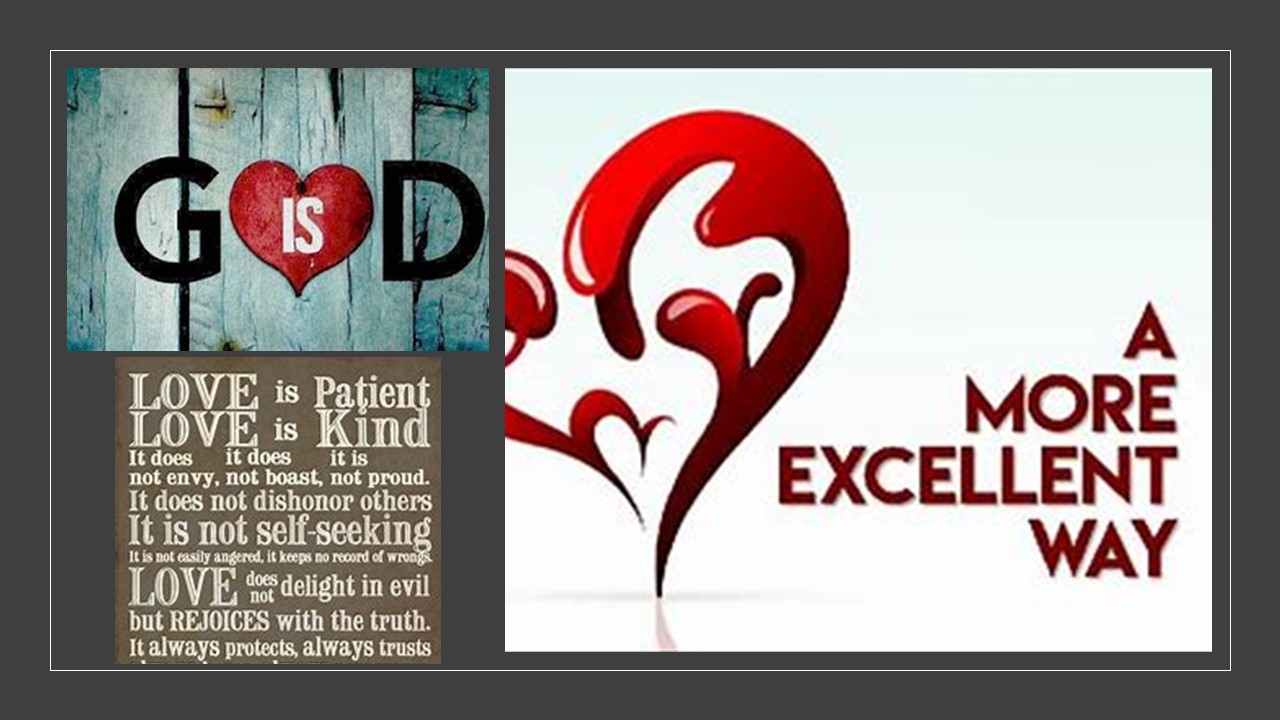
1 Corinthians 13 is one of the most beloved and most important chapters in all of Scripture. It is the famous love chapter. But...