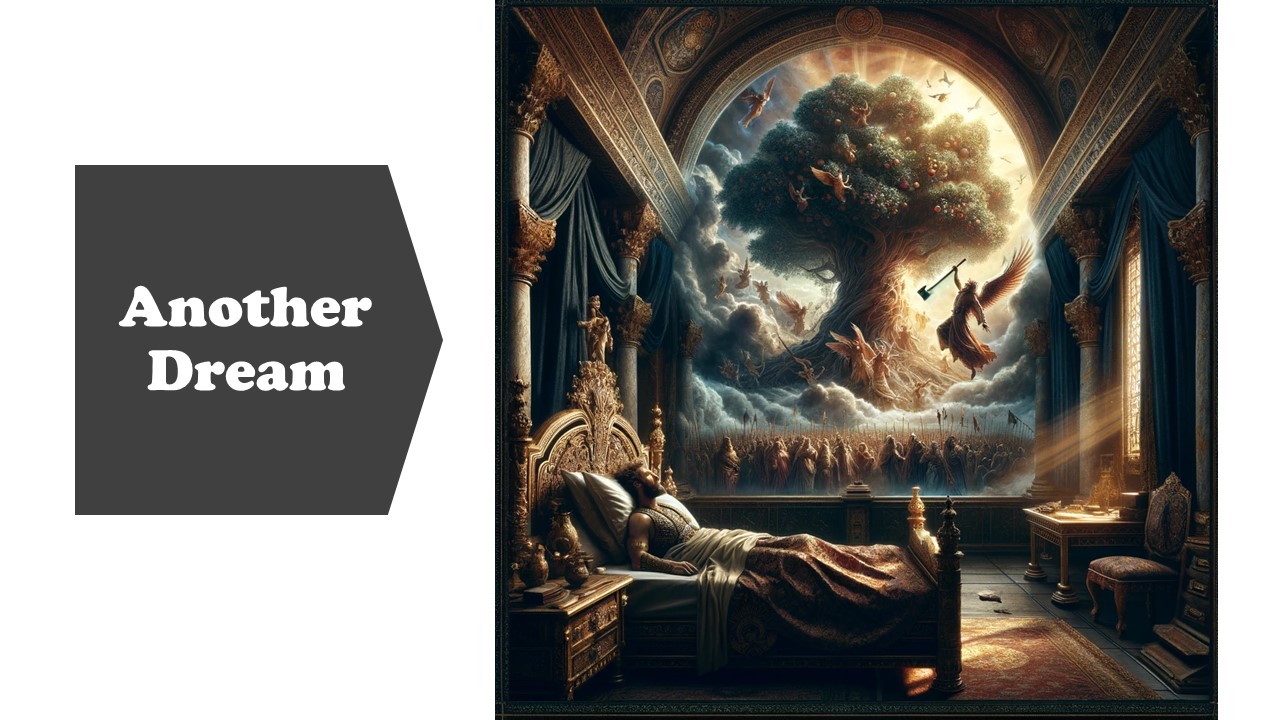
Today’s special episode is a dramatization of Daniel 4.
After being troubled by a dream, King Nebuchadnezzar of Babylon seeks its interpretation from the prophet Daniel. The dream featured a towering tree that was ordered to be cut down by a heavenly figure, leaving only its stump. This mysterious figure spoke of the tree as though it were a human, predicting a transformation from human to beast for a period of seven times as a consequence of pride, to demonstrate the supremacy of God over earthly rulers.
Daniel, upon hearing the dream, realizes its grave implications for Nebuchadnezzar himself. He interprets the dream as a divine warning: Nebuchadnezzar's immense pride would lead to his downfall, symbolized by the great tree's felling. He would lose his royal status and live among the beasts until he acknowledged that God alone appoints earthly authorities. This humbling experience was destined to teach Nebuchadnezzar about the true source of his power and dominion.
True to the prophecy, Nebuchadnezzar's arrogance leads to his mental collapse. A year after the dream, while boasting of his achievements and the splendor of his kingdom, he is struck down. He lives in a state of “beast-like madness” for seven years, until he recognizes God's sovereignty, at which point his sanity—and kingdom—are restored to him. This personal transformation marks a turning point in Nebuchadnezzar's life. Upon his restoration, he openly praises God, proclaiming His eternal dominion and acknowledging His unchallengeable power over the kingdoms of men and the affairs of the world.
Nebuchadnezzar's experience serves as a timeless reminder of the perils of pride and the importance of humility before God. It underscores the biblical theme that God opposes the proud but gives grace to the humble, teaching that true greatness and authority come from recognizing and submitting to God's sovereign will.
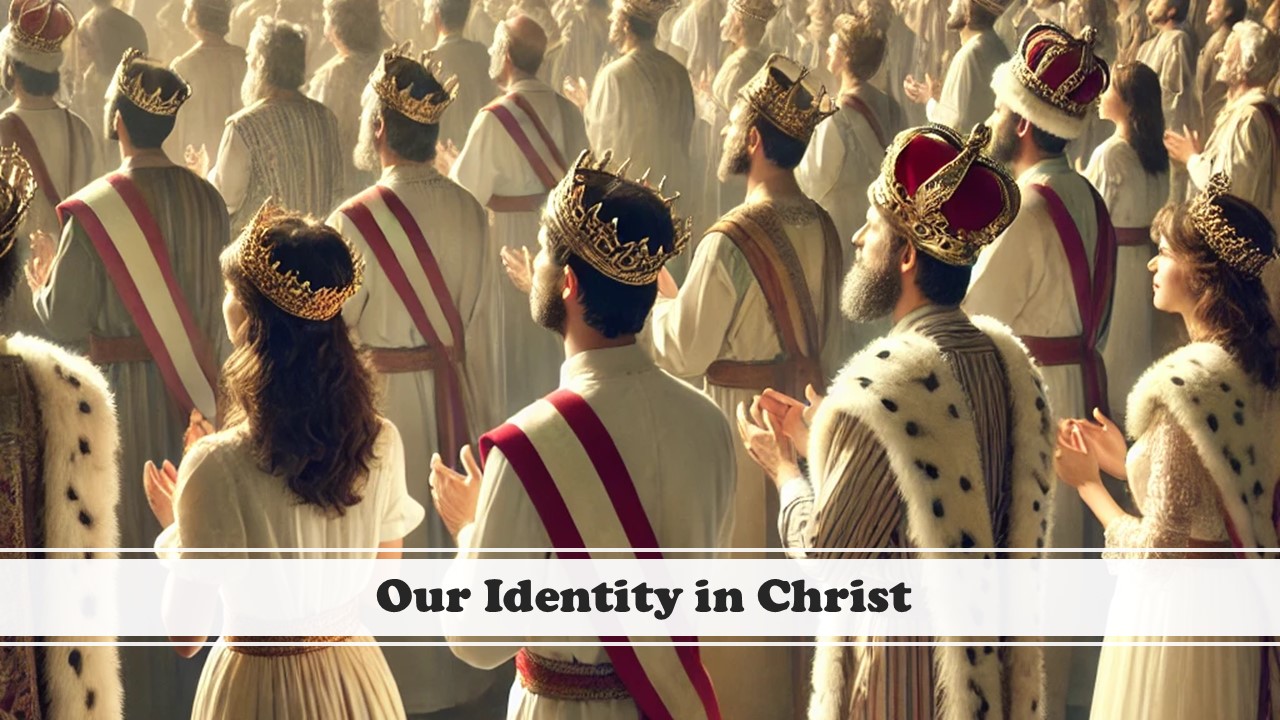
In 1 Peter 2, verses 9 to 10, Peter reveals our true identity as Christians: we are a chosen people, a royal priesthood, a...
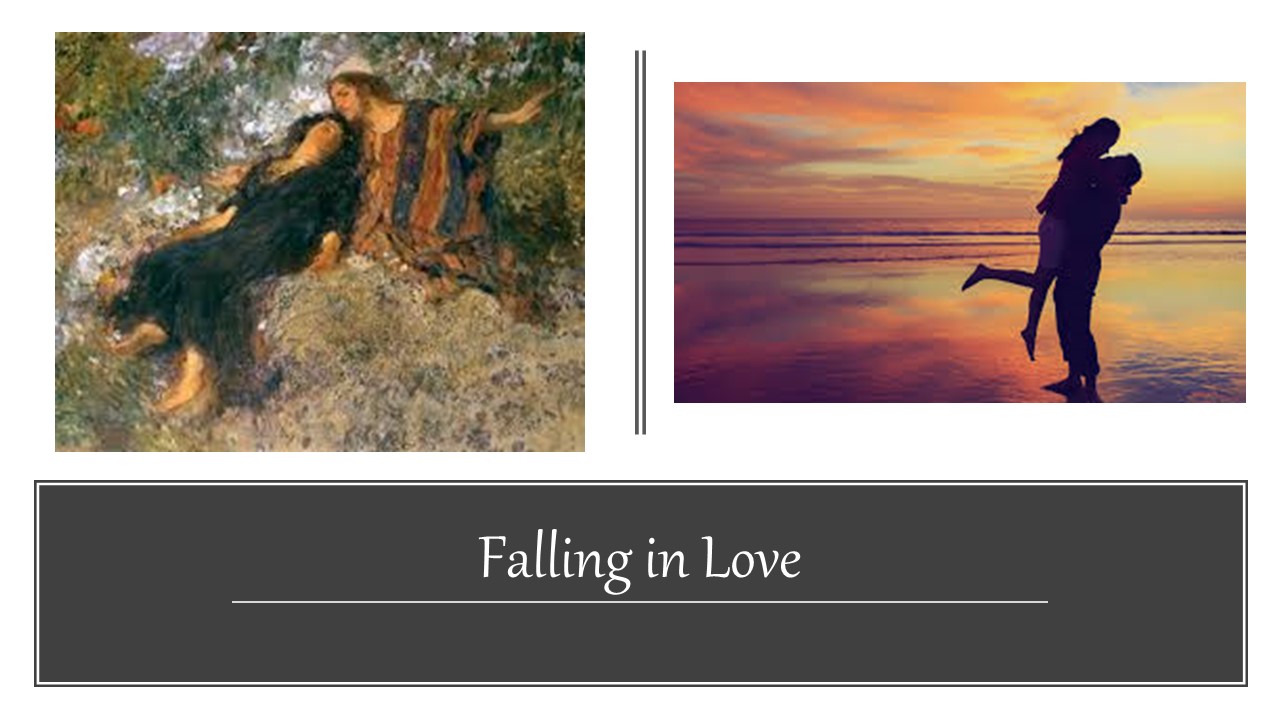
Eros is used in the Old Testament to express the physical and sensual intimacy between a husband and a wife; however, in modern times,...
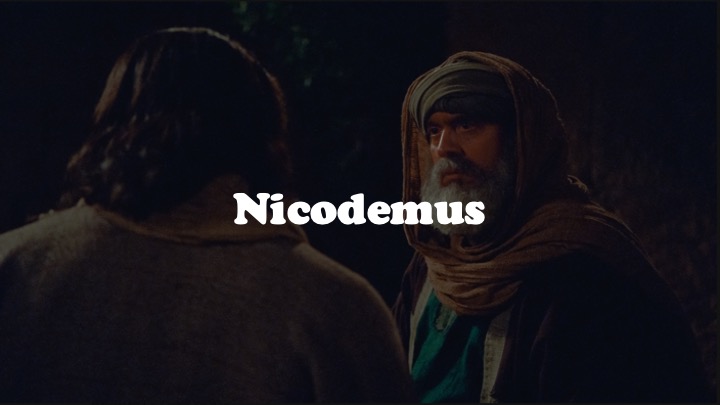
We continue with “Perspectives on Easter” – our series focused on the people who played both major and minor roles in the Easter narrative,...