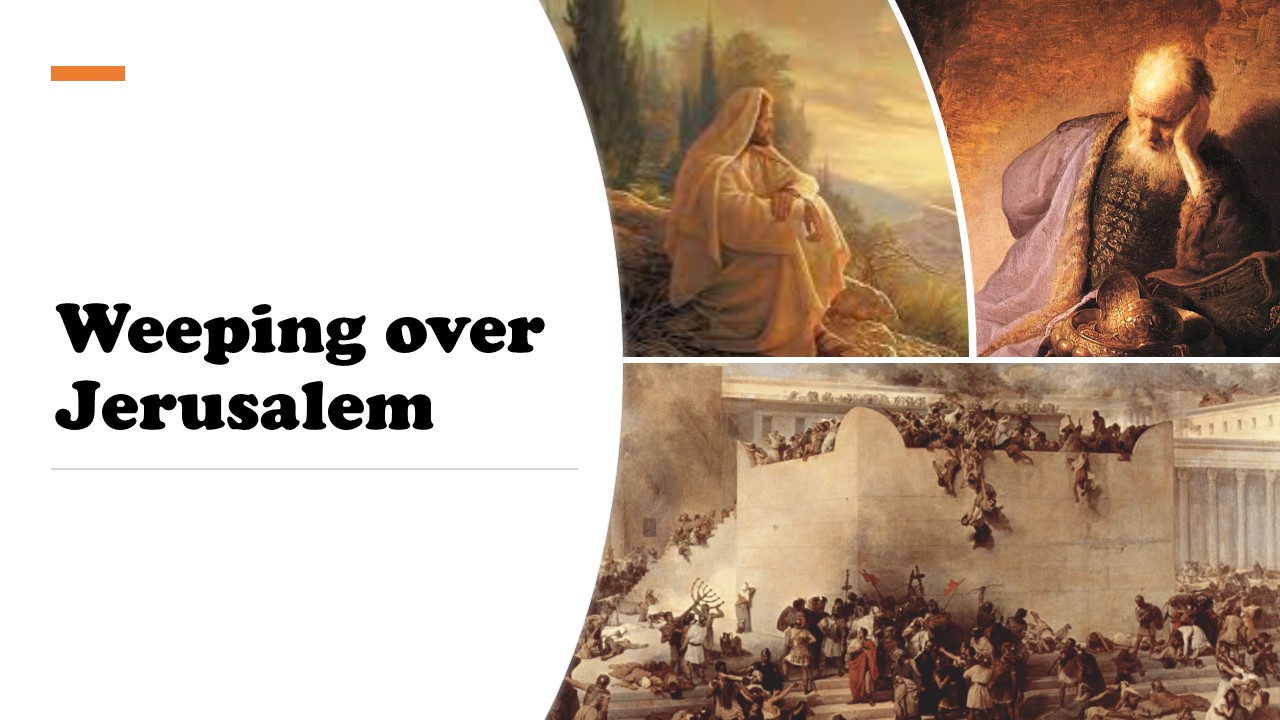
Jerusalem, a city steeped in millennia of history, has witnessed triumph and tragedy, faith and conflict. From a Canaanite stronghold to King David's capital, it became Judaism's spiritual center with Solomon's Temple. Yet, destruction followed: Nebuchadnezzar's sacking echoed centuries later in Jesus' tears over the city's coming fall.
Lamentations, a poignant poem, mourns Jerusalem's devastation as a consequence of straying from God's path. Yet, amidst the ashes, hope glimmers. Jeremiah whispers of a new covenant, while Jesus' sacrifice symbolizes ultimate redemption. Their tears, reflecting God's grief and love, urge us to confront our own shortcomings and embrace healing.
Throughout history, Jerusalem has been a contested prize, ravaged and rebuilt. Today, it remains divided, a stark reminder of the consequences of conflict and the persistent yearning for peace.
As we remember the tears of prophets and the city's tumultuous past, let us choose the path of reconciliation and hope. May Jerusalem, a symbol of both sorrow and resilience, finally fulfill its destiny as a beacon of peace for all.
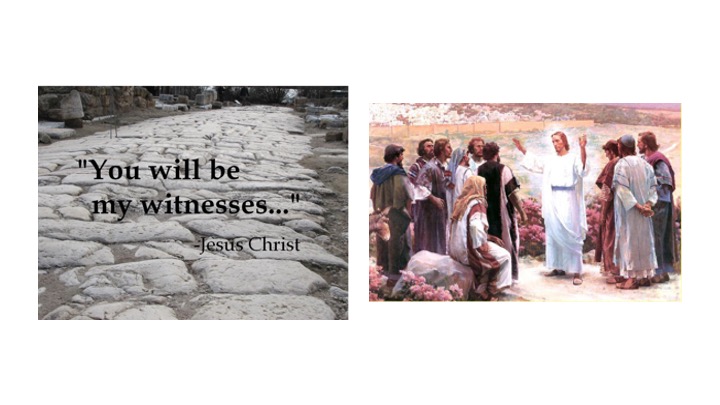
We explore what we know about the name of the book: Acts of the Apostles, its author, and its most important themes. The story...
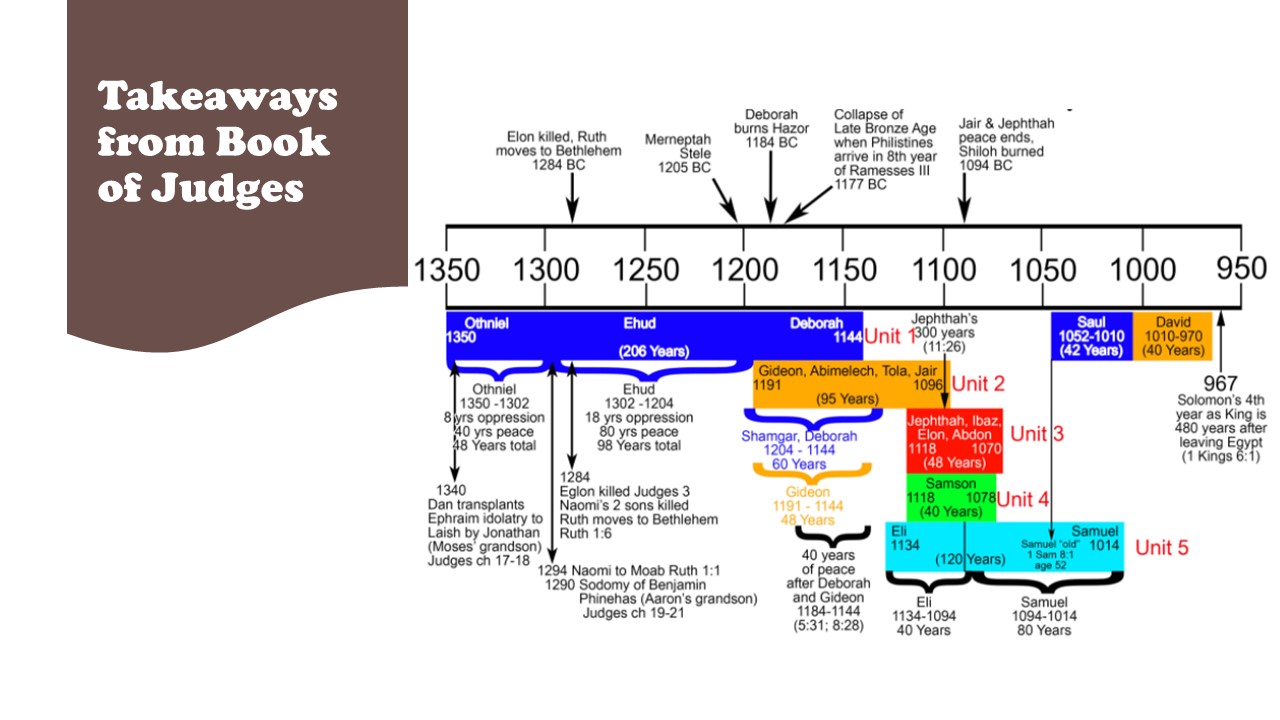
We wrap up the book of Judges by exploring some of the highlights and themes. We list questions for further study. And we take...

Following weeks of prayer and fasting, Daniel receives a vision by the Tigris River. A majestic being, possibly a Christophany, appears, overwhelming Daniel and...