King Agrippa II takes the stand and recalls Paul’s earlier hearing before him in Caesarea. Festus had inherited a prisoner whose case he struggled to explain to Caesar, so he sought Agrippa’s knowledge of Jewish beliefs and customs. Agrippa remembers Paul describing his former persecution of Christians, his encounter with Jesus, and the commission that transformed the persecutor into a preacher. Festus thought Paul had lost his mind, but Paul turned directly to Agrippa and asked whether he believed the prophets. Agrippa remembers suddenly realizing that the prisoner was no longer simply defending himself. Paul was asking the king what he believed.
Agrippa concluded then that Paul had done nothing deserving death or imprisonment and might have been released had he not appealed to Caesar. Yet Varro is less interested in whether Paul committed a conventional crime than in the implications of his message. What happens if large numbers of people become convinced that Jesus is Lord and that God stands above every earthly ruler? Agrippa acknowledges the tension but refuses to equate it with rebellion. A person can believe that God is above Caesar while still paying taxes, obeying laws, honoring legitimate authority and refusing violence. If Rome intends to make belief itself a crime, Agrippa argues, it should say so plainly.
The deeper question remains personal. Agrippa still refuses to tell Paul whether he ultimately came to believe, despite remembering the prisoner who stood before governors, commanders and a king without fear of their rank. Paul reminds him that a king may inherit a throne, obligations and alliances, but no one can inherit an answer to the question of faith. Titles, wealth and power cannot answer for us. Eventually each person stands without those protections before the question Paul asked Agrippa years earlier: “Do you believe?”

Philippians 2:6-8, “Who, though he was in the form of God, did not count equality with God a thing to be grasped, but made...
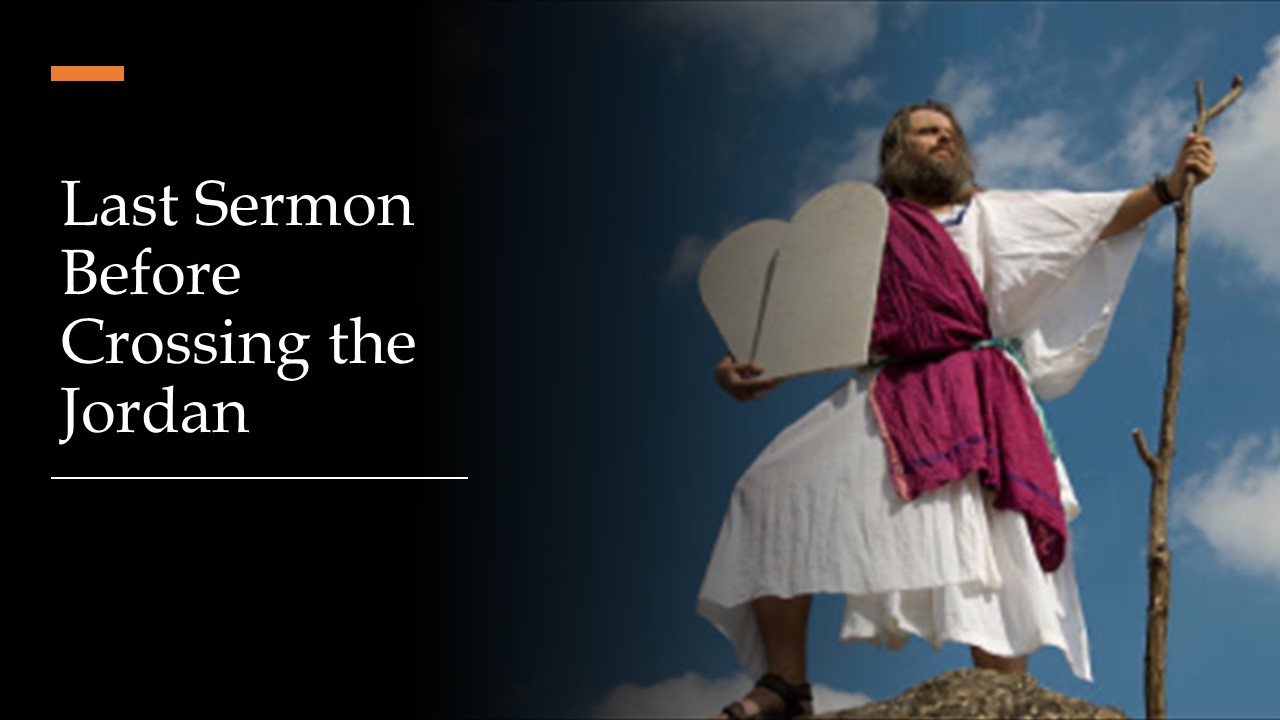
Moses’ life is ending. Forty years of experience has convinced him that without strong leadership, the people he has encouraged in the way of...

When Jesus’ friend Lazarus died, Jesus said to the dead man’s sister, “I am the resurrection and the life. Whoever believes in me, though...