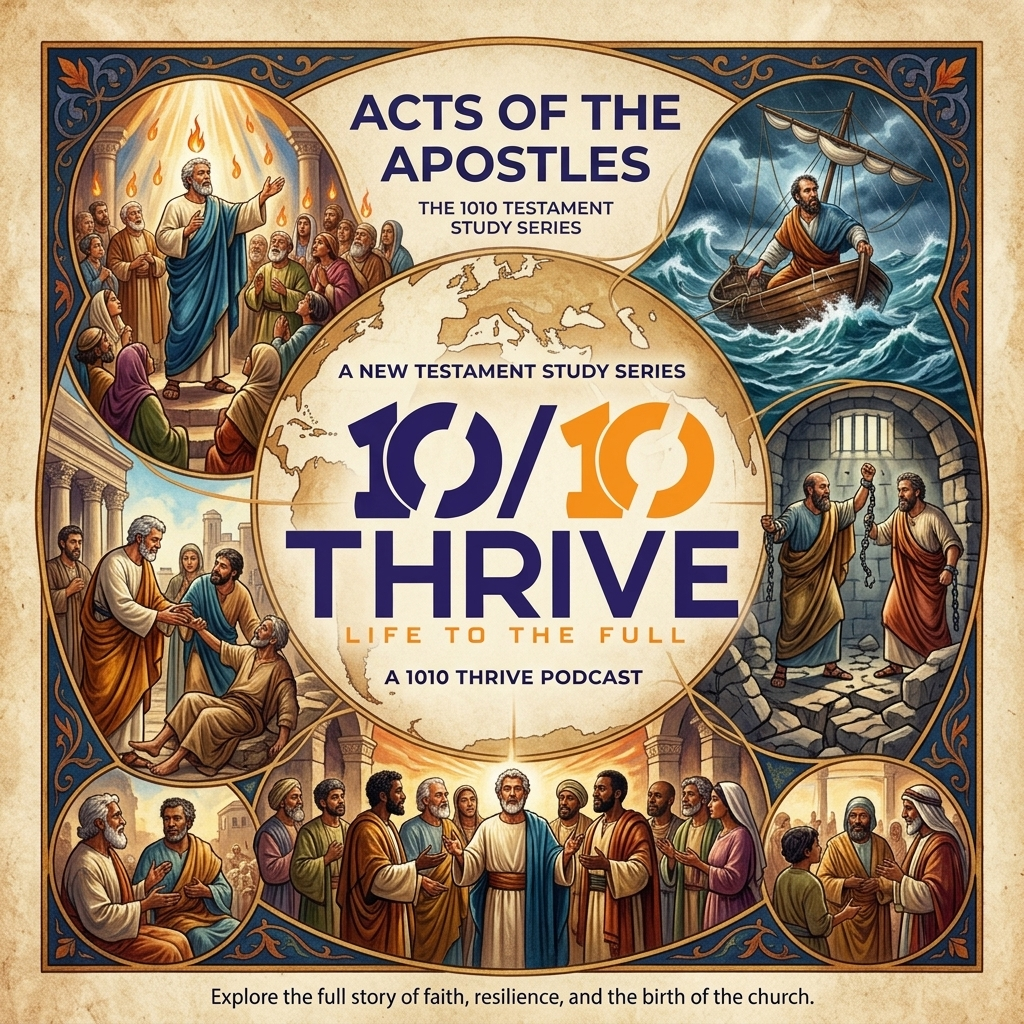
In Episode 15, the court heard from Chara, an enslaved girl in Philippi whose owners had profited from a spirit of divination operating through her. After she followed Paul and his companions for many days, Paul commanded the spirit to leave her in the name of Jesus Christ. It left immediately, ending her owners’ source of income and provoking the confrontation that resulted in Paul and Silas being beaten and imprisoned.
Varro used Chara’s experience to expose a difficult aspect of Paul’s influence: his actions could bring genuine change while also producing consequences for people he could not control. Chara made clear that she had not wanted the spirit to remain, but she also challenged Paul for failing to consider fully what its removal might mean for someone who was still enslaved. Paul acknowledged the limitation of what he had done. He had freed her from the spirit, but he had not freed her from slavery, and he admitted that he should have asked what would become of her.
Chara refused to allow either side to turn her life into a simple argument. Rome had permitted other people to own her, while Paul had given her one kind of freedom without being able to give her another. Her testimony left the court with an uncomfortable truth: liberation can be real without being complete. It also deepened Varro’s case that Paul’s message did not enter cities quietly. It changed people, relationships, loyalties, and even the economic arrangements from which others profited.
The Ten Commandments are far from a hasty collection of rules; they are a masterpiece of divine intentionality, given during Moses’ forty-day encounter with...
When Matthew, newly converted publican, put on a dinner for the Master, he invited his friends who were all tax collectors and sinners. The...
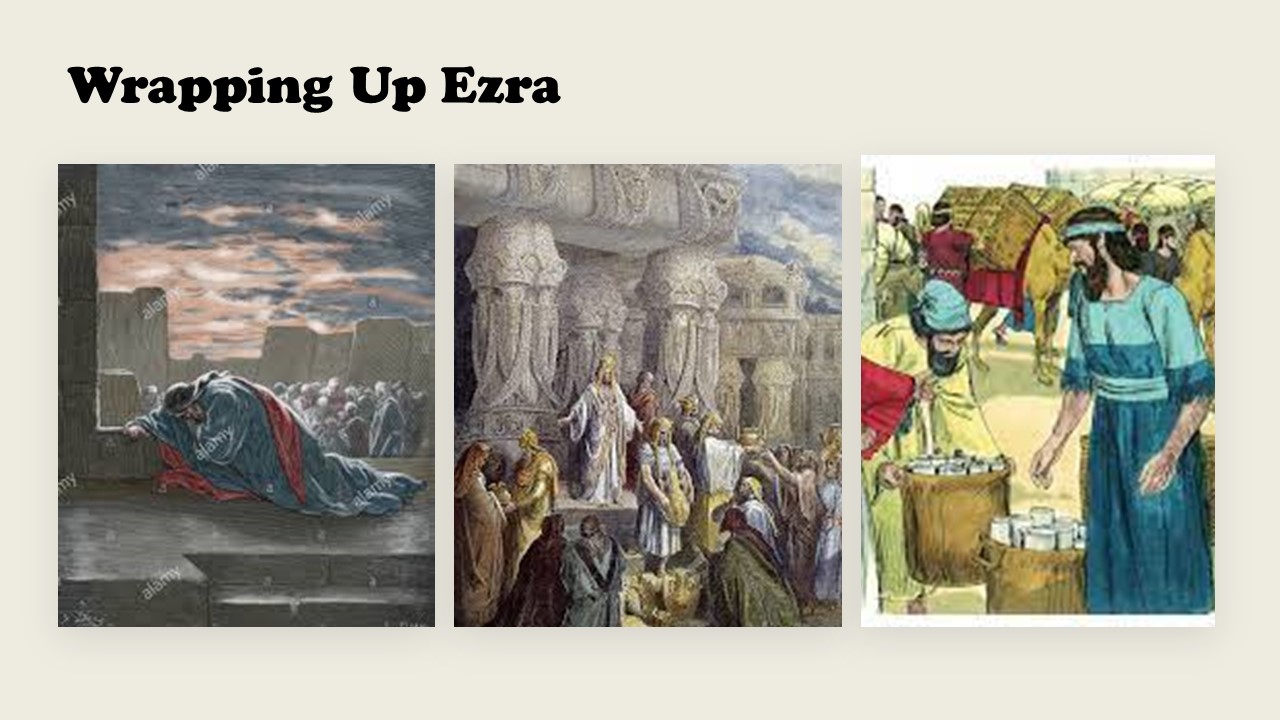
We wrap up Ezra by providing a summary of the book, thoughts about its authorship and important themes contained therein. We share 10 notes...