In Episode 14, the court heard from Lydia, a merchant from Thyatira who encountered Paul beside a river outside Philippi. Already a worshiper of the God of Israel, Lydia described how Paul’s teaching about Jesus helped her understand what she had long been seeking. She and her household were baptized, and she opened her home to Paul and his companions.
Varro focused on what happened afterward. Lydia’s home became a place where believers gathered, her resources helped support the growing community, and after Paul left, the community continued without him. People who had never heard Paul speak began joining through relationships with those who had. Varro saw another example of Paul establishing communities that could survive his departure, while Lydia insisted that Paul had neither demanded her resources nor attempted to control what happened after he left.
Lydia’s testimony showed how belief could move quickly from conviction to a changed way of life. For her, faith affected how she used what she possessed, whom she welcomed into her home, and how she understood responsibility for others. Paul had brought the message to Philippi, but Lydia made clear that once the believers accepted it, it no longer depended upon him. He had entrusted them with something they believed was true and trusted them with what came next.
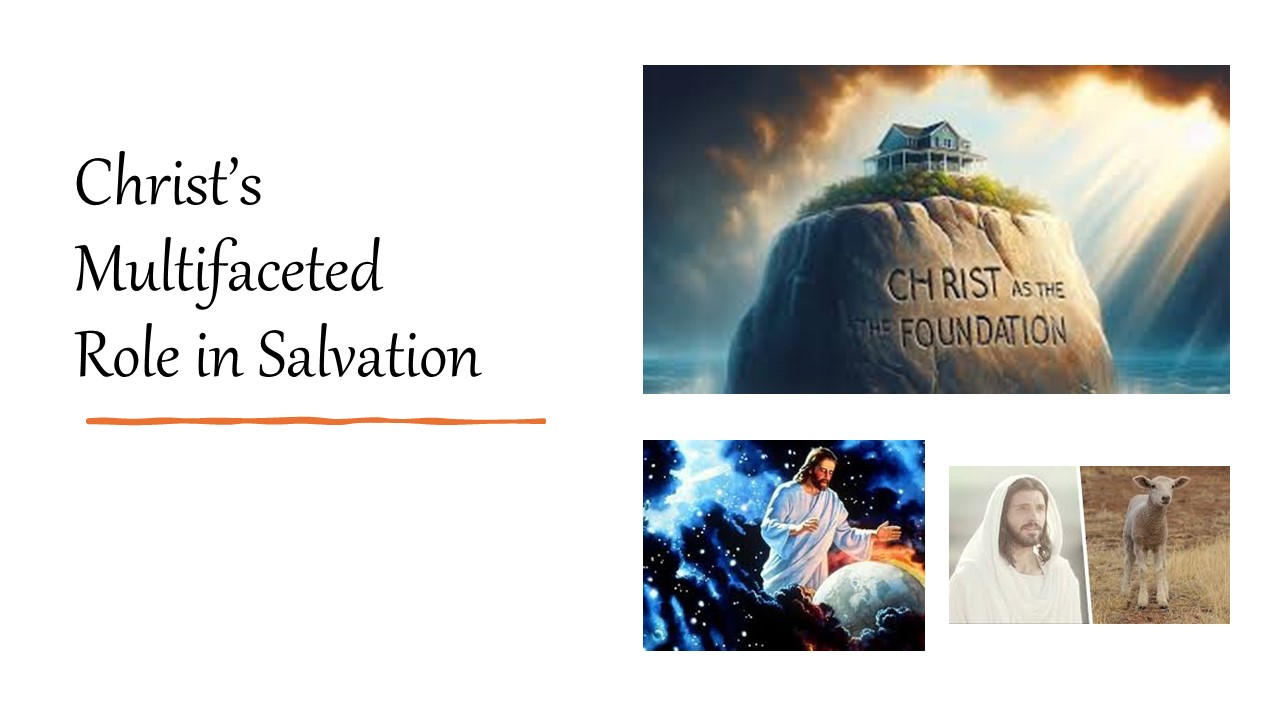
Today’s episode explores the multifaceted roles of Jesus as depicted in 1 Corinthians, offering deep insights into His foundational importance in our lives. Christ...
John’s Gospel omits a large amount of material found in the synoptic Gospels, including some surprisingly important episodes: the temptation of Christ, Jesus’ transfiguration,...

Genesis 32 tells the story of Jacob’s transformation through one of the most mysterious and intimate encounters in the Bible. After decades of striving—against...