In the days after the crucifixion, Salome remains with the women while her sons hide in Jerusalem. Grief leaves her unable to comfort James and John, so she turns instead to the practical work of preparing spices for Jesus' body. Before dawn on the first day of the week, the women go to the tomb and discover that the stone has already been moved. There they receive the astonishing announcement that Jesus has risen, along with the specific instruction to tell “his disciples and Peter.” Salome reflects on the significance of Peter being named separately, seeing in those words an assurance that his failure had not excluded him from Jesus' invitation.
Salome goes to the place where her sons have been hiding, but John has already run with Peter to the tomb after hearing Mary Magdalene's report. She finds James still overwhelmed by guilt, particularly because he had not returned to the cross. Rather than dismissing his failure with easy reassurance, Salome gives him the one truth she knows: Jesus is no longer in the tomb. When John returns breathless, his face confirms that something impossible has happened. Salome stays beside James as he struggles to reconcile his failure with the possibility that the man he failed is alive.
During the weeks that follow, Salome watches the resurrection reshape both of her sons. James remains forceful and impatient, but his courage has acquired seriousness and humility after discovering that faithfulness is not always victory on the terms we expect. John develops a deeper stillness, as though the questions he had carried for years have finally found their center. At Pentecost, Salome watches James standing among the believers as Peter preaches and remembers Zebedee opening his hands when their sons first left the boat. She realizes that this, ultimately, has been her own calling as their mother: to let them go toward what they were made for, remain when they need her, and bear witness to the transformation they could not always see while they were living through it.
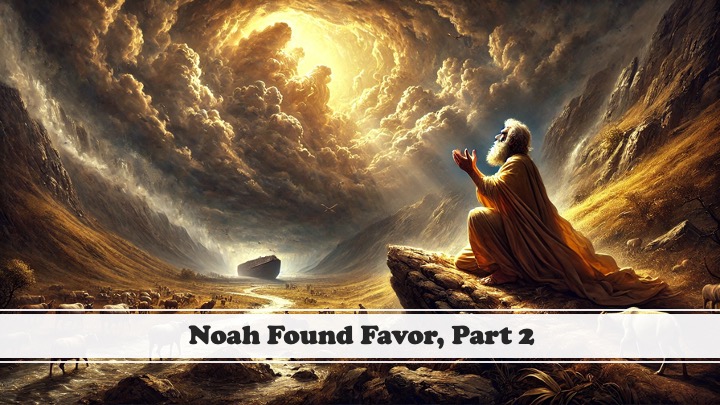
Episode 1100 of the 10:10 Thrive Podcast presents a powerful dramatic musical retelling of Noah’s calling to build the ark and the reactions of...
Joel is full of lots of vivid imagery: locusts, plagues, famine, raging fires, invading armies, celestial phenomena. This is shared in the context of...
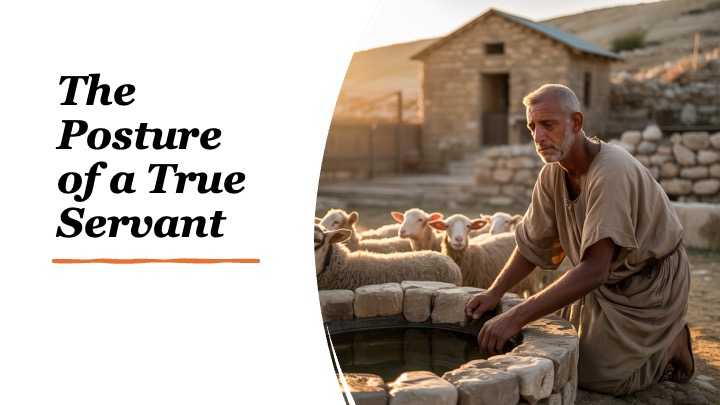
The Parable of the Master and the Servant (Luke 17:7-10) is a radical reorientation of discipleship, delivered by Jesus after His followers expressed anxiety...